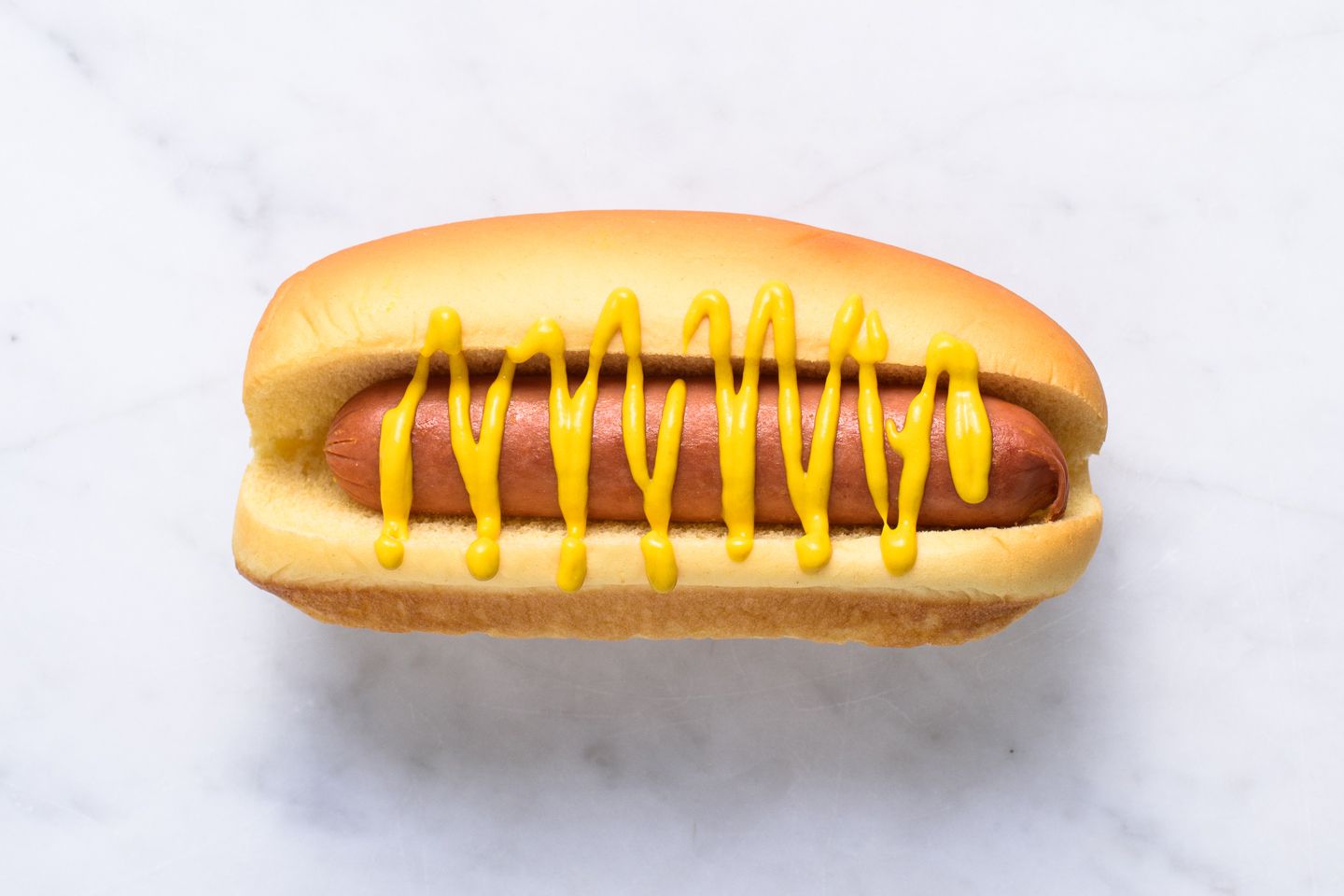
The sizzle of a grill, the aroma of charred meat wafting through the air, the snap of a bun yielding to a plump frankfurter—few culinary rituals evoke such universal delight as the hot dog. Yet, beneath this seemingly simple pleasure lies a labyrinth of dietary considerations, particularly for those navigating gluten sensitivities or celiac disease. The question “Are hot dogs gluten-free?” is not merely a matter of preference but a gateway to understanding the hidden complexities of processed meats and the ingredients that bind them together. To answer it, one must peel back the layers of tradition, regulation, and innovation that define this iconic food.
The Deceptive Simplicity of Hot Dogs
At first glance, a hot dog appears to be a straightforward concoction: a seasoned sausage encased in a soft bun, ready to be adorned with condiments. However, the devil, as they say, is in the details. The sausage itself is a marvel of culinary engineering, blending meat, fat, and spices into a homogenous mass. But the binders, fillers, and preservatives that hold this mixture together often introduce gluten-containing ingredients. Wheat flour, for instance, is a common additive in processed meats, used to enhance texture and extend shelf life. Even the casing—whether natural or synthetic—may contain traces of gluten, depending on the manufacturing process. The illusion of simplicity crumbles under scrutiny, revealing a landscape where gluten can lurk in the most unexpected places.
The Gluten-Free Paradox: Why Some Hot Dogs Pass, Others Fail
Not all hot dogs are created equal, and this disparity is most evident in their gluten content. Some manufacturers prioritize transparency, using gluten-free binders like rice flour or tapioca starch to achieve the desired consistency. Others, however, rely on wheat-based additives to cut costs or improve texture, leaving consumers with a gamble each time they reach for a package. The paradox lies in the fact that a hot dog’s appearance offers no clues about its gluten content. A snappy snap of the casing or a rich, smoky aroma tells you nothing about the ingredients lurking within. This unpredictability forces those with gluten sensitivities to adopt a detective’s mindset, scrutinizing labels with the same intensity as a sommelier evaluating a vintage wine.
The stakes are high. For individuals with celiac disease, even trace amounts of gluten can trigger a cascade of immune responses, leading to inflammation and long-term damage to the small intestine. For those with non-celiac gluten sensitivity, the symptoms may be less severe but no less disruptive. The frustration is palpable: a food so deeply embedded in cultural rituals suddenly becomes a potential minefield. Yet, this challenge has also spurred innovation, with a growing number of brands reimagining hot dogs as gluten-free staples, proving that tradition and dietary needs need not be mutually exclusive.
The Hidden Ingredients: What to Scrutinize on the Label
Deciphering a hot dog’s ingredient list is akin to solving a cryptic crossword puzzle. The key lies in identifying gluten in all its guises. Wheat is the most obvious culprit, but gluten can also hide under aliases like “modified food starch,” “hydrolyzed wheat protein,” or “malt flavoring.” Even the term “natural flavors” can be a red flag, as it may encompass gluten-containing compounds. The casing is another wildcard; some natural casings are derived from animal intestines and are inherently gluten-free, while synthetic casings may contain wheat derivatives. The bun, too, is a frequent source of gluten, though gluten-free alternatives are increasingly available.
Beyond the obvious, one must consider the cross-contamination risks. Facilities that process both gluten-containing and gluten-free products may inadvertently introduce traces of gluten into otherwise safe items. Certifications like “Certified Gluten-Free” or “Gluten-Free” (with strict regulatory standards) can provide peace of mind, but they are not foolproof. The onus remains on the consumer to verify each step of the production chain, a task that demands both diligence and skepticism.
The Cultural Tapestry: How Tradition Meets Modern Dietary Needs
Hot dogs are more than just food; they are emblems of communal gatherings, from baseball games to backyard barbecues. This cultural significance adds another layer of complexity to the gluten-free debate. For many, the ritual of grilling hot dogs is intertwined with nostalgia and tradition, making dietary restrictions feel like an intrusion on a cherished experience. Yet, the rise of gluten-free hot dogs is a testament to the adaptability of culinary traditions. Brands are now crafting gluten-free versions that deliver the same juicy, savory experience without the gluten, proving that dietary needs need not dilute the joy of shared meals.
This evolution reflects a broader shift in how society approaches food. As awareness of gluten-related disorders grows, so too does the demand for inclusive options. The hot dog, once a symbol of indulgence without consequence, now stands at the intersection of tradition and innovation. It challenges us to rethink what it means to enjoy a classic dish in a modern world, where dietary restrictions are no longer an afterthought but a central consideration.
The Future of Hot Dogs: Innovation and Inclusivity
The future of hot dogs lies in the hands of those willing to push the boundaries of tradition. Already, we see a proliferation of gluten-free alternatives, from plant-based hot dogs to artisanal sausages made with ancient grains. These innovations are not merely catering to a niche market; they are redefining what a hot dog can be. The challenge now is to ensure that these alternatives are accessible, affordable, and delicious enough to win over even the most die-hard traditionalists.
Moreover, the conversation around gluten-free hot dogs extends beyond individual dietary needs. It touches on broader themes of food equity, sustainability, and the ethical implications of processed foods. As consumers become more discerning, the pressure on manufacturers to prioritize transparency and quality will only intensify. The hot dog, once a humble street food, is now a canvas for culinary creativity and a barometer of societal values.
Conclusion: A Hot Dog for Every Table
So, are hot dogs gluten-free? The answer is a resounding “it depends.” It depends on the brand, the ingredients, the manufacturing process, and the individual’s tolerance for risk. But more than that, it depends on our willingness to challenge assumptions and embrace change. The hot dog, in all its glory, is a microcosm of the culinary world’s ongoing evolution—a reminder that even the simplest pleasures can inspire profound transformations.
For those navigating the gluten-free landscape, the journey is not without its hurdles. Yet, with each carefully scrutinized label and each delicious discovery, the path becomes clearer. And perhaps, in time, the hot dog will transcend its reputation as a potential dietary minefield, emerging instead as a symbol of inclusivity and innovation—a food for every table, regardless of gluten.