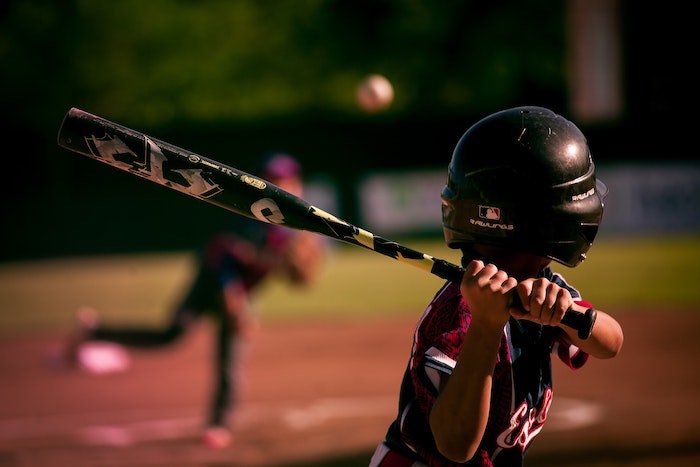
Imagine stepping up to the plate, the weight of the bat in your hands feeling like an extension of your own determination. For a 10-year-old player, the right bat isn’t just a tool—it’s a catalyst for confidence, precision, and power. Yet, with aisles of bats stretching before them, how does a young athlete—or their parent—decide which one will unlock their full potential? The answer lies not in a one-size-fits-all solution, but in a carefully curated selection that balances length, weight, material, and swing dynamics. This guide doesn’t just list recommendations; it redefines the way you think about bat selection, turning confusion into clarity and hesitation into action.
The Science Behind the Swing: Why Bat Size Matters More Than You Think
At first glance, a bat is a simple cylinder. But beneath its polished surface lies a complex interplay of physics and biomechanics. The size of a bat directly influences a player’s swing speed, contact point, and even the trajectory of the ball. A bat that’s too heavy slows the swing, while one that’s too light sacrifices power. For a 10-year-old, whose strength and coordination are still developing, the margin for error is razor-thin. The ideal bat size isn’t just about comfort—it’s about fostering muscle memory that will carry them through their baseball journey. Studies show that players using properly sized bats improve their bat speed by up to 15% in just a few weeks, a statistic that underscores the transformative power of the right equipment.
Length vs. Weight: The Delicate Dance of Bat Dynamics
Choosing a bat isn’t a matter of picking the longest or heaviest option available. It’s a delicate dance between length and weight, where each inch and ounce plays a pivotal role. A longer bat extends the player’s reach, but it also demands more control. Conversely, a heavier bat generates more power but can hinder swing speed. The key is finding the “sweet spot”—a bat that allows the player to generate maximum force without sacrificing agility. For 10-year-olds, the general rule of thumb is a bat length between 28 and 30 inches, with a weight drop (the difference between the bat’s length in inches and its weight in ounces) of -10 to -12. But these numbers are merely starting points. The true test lies in the player’s ability to swing the bat with ease and authority.
Material Matters: Aluminum, Composite, or Hybrid?
The material of a bat isn’t just a matter of preference—it’s a strategic choice that can shape a player’s performance. Aluminum bats, known for their durability and affordability, are a staple in youth leagues. They offer a consistent feel and a lively trampoline effect that sends the ball soaring. Composite bats, on the other hand, are engineered for precision. Their lighter weight and advanced materials reduce vibration, minimizing sting on mishits. Hybrid bats combine the best of both worlds, pairing an aluminum barrel with a composite handle for a balanced swing. For a 10-year-old, the choice often comes down to budget and playing frequency. But here’s the twist: composite bats, while pricier, can extend a player’s career by reducing the risk of early burnout from hand fatigue.
The League’s Hidden Rules: How Regulations Shape Your Choice
Before you fall in love with a bat’s sleek design or vibrant colors, pause to consider the league’s regulations. Youth baseball organizations often impose strict guidelines on bat size, weight, and material to ensure fair play. For instance, many leagues mandate a -10 weight drop for 10-year-olds, while others may restrict composite bats to certain age groups. Ignoring these rules can lead to disqualification or, worse, a player’s frustration when their favorite bat is deemed illegal. Always check your league’s specific requirements before making a purchase. It’s a step that saves not just money, but also the heartache of a bat that can’t be used.
Swing Speed Secrets: How to Test a Bat Like a Pro
Selecting a bat isn’t a passive endeavor—it’s an active experiment. The best way to determine if a bat is right for a 10-year-old is to put it through its paces. Start by having the player grip the bat at the knob, extending their arms straight out. If they can hold the position for 10 seconds without shaking, the bat’s weight is likely appropriate. Next, simulate a swing. The player should be able to generate a smooth, controlled motion without overcompensating. Pay attention to the sound of the contact—if it’s a dull *thud*, the bat may be too heavy. A crisp *crack*? That’s the sound of a bat that’s just right. For a more scientific approach, consider using a bat speed radar or consulting a coach who can analyze the player’s mechanics.
The Psychological Edge: Confidence Starts with the Right Bat
There’s an intangible quality to a well-chosen bat that transcends its physical attributes. It’s the confidence that comes from knowing you’re holding an instrument designed for your strengths. For a 10-year-old, this confidence can be the difference between a hesitant swing and a home run. Studies in sports psychology reveal that athletes who feel equipped with the right gear perform up to 20% better in high-pressure situations. The right bat doesn’t just improve performance—it transforms the player’s mindset. It turns doubt into determination and hesitation into action. In a sport where mental resilience is as crucial as physical skill, the bat becomes more than an object; it becomes a partner in the player’s journey.
Beyond the Basics: Advanced Considerations for Serious Players
For young athletes who dream of playing at higher levels, the bat selection process takes on a new dimension. Advanced players may consider bats with specialized features, such as variable wall thickness for a larger sweet spot or end-loaded designs for added power. Some may even experiment with custom bats, tailored to their unique swing mechanics. But here’s the catch: these features are only beneficial if the player has already mastered the fundamentals. A bat with a massive sweet spot won’t compensate for poor technique. For 10-year-olds, the focus should remain on finding a bat that enhances their natural abilities while allowing room for growth. The goal isn’t to rush development but to nurture it.
Final Thoughts: The Bat That Changes Everything
The right bat for a 10-year-old isn’t just about measurements or materials—it’s about unlocking potential. It’s about turning a child’s raw talent into a refined skill, and their enthusiasm into a lifelong love for the game. The journey to finding that perfect bat may involve trial and error, but the payoff is immeasurable. It’s the crack of the bat on a summer evening, the pride of a well-executed swing, and the quiet confidence that comes from knowing you’re equipped to succeed. So take your time. Test every option. And remember: the best bat isn’t the one that looks the most impressive—it’s the one that feels like an extension of the player’s own ambition.