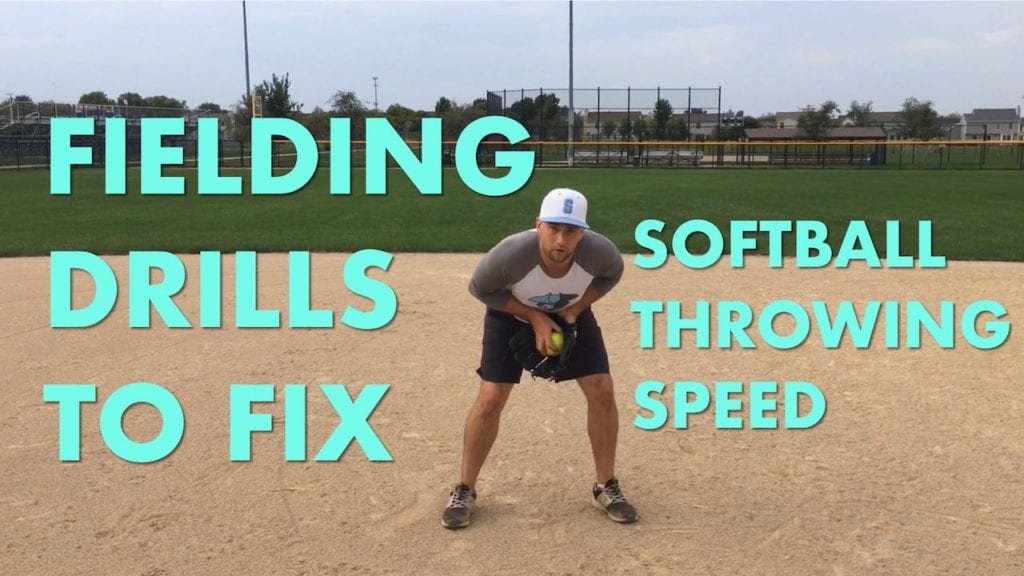
Imagine stepping onto the diamond with a cannon for an arm—every throw slicing through the infield with surgical precision, every toss to home plate arriving with a crack like thunder. This isn’t fantasy. It’s the result of a deliberate transformation, one that begins not with raw power alone, but with purposeful mechanics, targeted repetition, and a shift in how you perceive arm strength itself. Throwing velocity in softball isn’t about brute force; it’s about kinetic sequencing, rotational efficiency, and the quiet art of energy transfer. The drills you choose today will dictate the throws you unleash tomorrow. Let’s redefine what’s possible.
The Myth of the “Arm-Only” Approach: Why Total-Body Integration Wins Every Time
Too many players fall into the trap of treating the throwing motion as an isolated event—shoulder here, elbow there, wrist flick at the end. But the arm is merely the final courier in a relay race that begins in the legs and culminates in the fingertips. When you isolate arm strength, you’re building a house with only the roof. The foundation? The ground. Every throw starts with a push from the back leg, a torque generated by the hips, and a transfer of energy through the core before the ball ever leaves your hand. Drills that emphasize lower-body engagement—like the “Step-Behind Drill” or “Medicine Ball Rotational Throws”—aren’t just accessories; they’re the architects of velocity. They teach your body to channel force upward and outward, not just outward. The result? A throw that doesn’t just reach the target—it arrives with intent.
From Static to Dynamic: The Power of Movement-Based Throwing Drills
Static throwing—standing in one spot and firing—has its place, but real velocity is born in motion. The body moves in spirals, not straight lines. To harness that spiral, you need drills that mimic game-time chaos. Enter the “Run-and-Throw” progression. Start with a short jog, plant the lead foot, and release the ball as if making a play from the outfield. The key isn’t speed; it’s timing. Your foot plant must sync with your arm’s acceleration phase. Too early, and the throw loses power. Too late, and the ball sails high. This drill forces your nervous system to coordinate movement and release under pressure. Another game-changer: the “Crow Hop Drill,” where you leap backward before driving forward, loading the back leg like a coiled spring. It’s not just footwork—it’s a full-body catapult.
Weighted Implements: The Secret Weapon for Arm Resilience and Speed
Light resistance can build speed; heavy resistance can build strength. But the magic lies in the middle—the realm of weighted implements. A 6- to 8-ounce weighted baseball, used in underload training, forces your arm to move faster than normal to compensate for the added mass. Over time, this teaches your muscles to fire more explosively. Conversely, overloaded balls (12+ ounces) slow the arm down, building eccentric strength and tendon resilience. The “Plyo Ball Toss” sequence—starting with underload, progressing to regulation weight, then finishing with overloaded throws—creates a paradoxical effect: your arm learns to move faster when it’s unencumbered. It’s like teaching a racehorse to gallop by first pulling a plow. The discipline of weighted training also conditions your arm to handle the demands of repetitive throwing, reducing injury risk while amplifying output.
Rotational Mastery: How Hip-Shoulder Separation Unlocks Hidden Velocity
Picture a pitcher’s delivery or an outfielder’s crow hop. At the peak of the backswing, the hips and shoulders face in opposite directions, creating a rubber-band effect. This separation—known as “hip-shoulder dissociation”—is the engine of velocity. Most players underutilize it, rotating their upper bodies too early and leaving power on the table. The “Towel Drill” is a simple yet brutal corrective: grip a towel as if it’s a ball, take your throwing motion, and pause at the point of maximum separation. Feel the tension? That’s stored energy. The “Kneeling Rotational Throw” takes it further, removing the legs to isolate torso mechanics. When executed correctly, these drills don’t just improve velocity—they redefine how you generate it. You’re no longer throwing; you’re releasing a coiled force.
The Long Toss Paradox: Distance vs. Intent in Arm Development
Long toss has been both revered and reviled in baseball circles, and its role in softball is often misunderstood. The key isn’t the distance—it’s the intent behind it. A lazy 120-foot toss does little. But a 300-foot throw with a full crow hop, a high leg kick, and a deliberate crow hop? That’s where the magic happens. The “Progressive Long Toss” protocol starts at 90 feet, focusing on smooth, rhythmic throws with full follow-through. Each session, increase the distance by 10–15 feet, but only if your mechanics remain pristine. The goal isn’t to max out distance; it’s to extend your arm’s range while maintaining velocity. When you return to your normal throwing distance, the ball will feel lighter, your arm will feel quicker, and your confidence will soar. Long toss isn’t about endurance—it’s about elasticity.
Recovery as a Weapon: How Smart Arm Care Accelerates Progress
Velocity gains are temporary if your arm isn’t prepared to sustain them. The most overlooked aspect of throwing development isn’t the drill—it’s the recovery. After every session, your arm isn’t just tired; it’s micro-damaged. The “Arm Care Circuit” bridges the gap between throwing and healing: 5 minutes of light band work for rotator cuff stability, 3 minutes of wrist flexion/extension with a rice bucket, and 2 minutes of ice or contrast therapy. But the real game-changer is sleep. During deep sleep, your body releases growth hormone, repairing collagen in tendons and rebuilding muscle fibers. Skimp on sleep, and you’re sabotaging the very adaptations you’re trying to create. Hydration and collagen-rich nutrition (think bone broth, citrus fruits, and leafy greens) further support tendon resilience. Velocity isn’t built in the gym; it’s forged in the quiet hours between sessions.
From Drills to Dominance: Crafting a Velocity-Focused Routine
Consistency is the bridge between drills and dominance. A single, isolated session won’t rewrite your arm’s potential—but a 6-week protocol will. Start with dynamic warm-ups (arm circles, band pull-aparts, torso twists) to lubricate joints and fire up stabilizing muscles. Then, alternate between power drills (weighted throws, rotational tosses) and precision drills (target-focused throws, crow hop sequences). End with recovery: light stretching, hydration, and a protein-rich meal within 30 minutes. Track your progress not just in velocity (use a radar gun or a partner with a stopwatch), but in mechanics—foot plant timing, hip rotation, and follow-through consistency. Film your throws weekly. The camera doesn’t lie. Over time, you’ll notice something remarkable: your throws aren’t just faster. They’re more efficient. More repeatable. More unstoppable.
Velocity isn’t a gift reserved for the genetically blessed. It’s a skill, honed through deliberate practice and a willingness to rethink the way you throw. The drills outlined here aren’t shortcuts—they’re the blueprint. The shift in perspective begins when you stop chasing arm strength and start mastering total-body mechanics. When you do, the diamond will never look the same again.