Stepping onto the diamond for the first time is a rite of passage, and the right tee ball baseball bat can transform a hesitant swing into a confident crack of the ball. In 2026, the market brims with innovations designed to cater to young players’ evolving needs—from ultra-lightweight alloys to ergonomic grips that reduce sting. Whether your child is just discovering the joy of hitting or refining their technique, choosing the perfect bat demands more than just aesthetics; it requires an understanding of materials, sizing, and league regulations. This guide distills the essentials into a clear, actionable roadmap, ensuring every parent and coach can make an informed decision that fosters both performance and passion.
The Anatomy of a Tee Ball Bat: What Every Parent Should Know
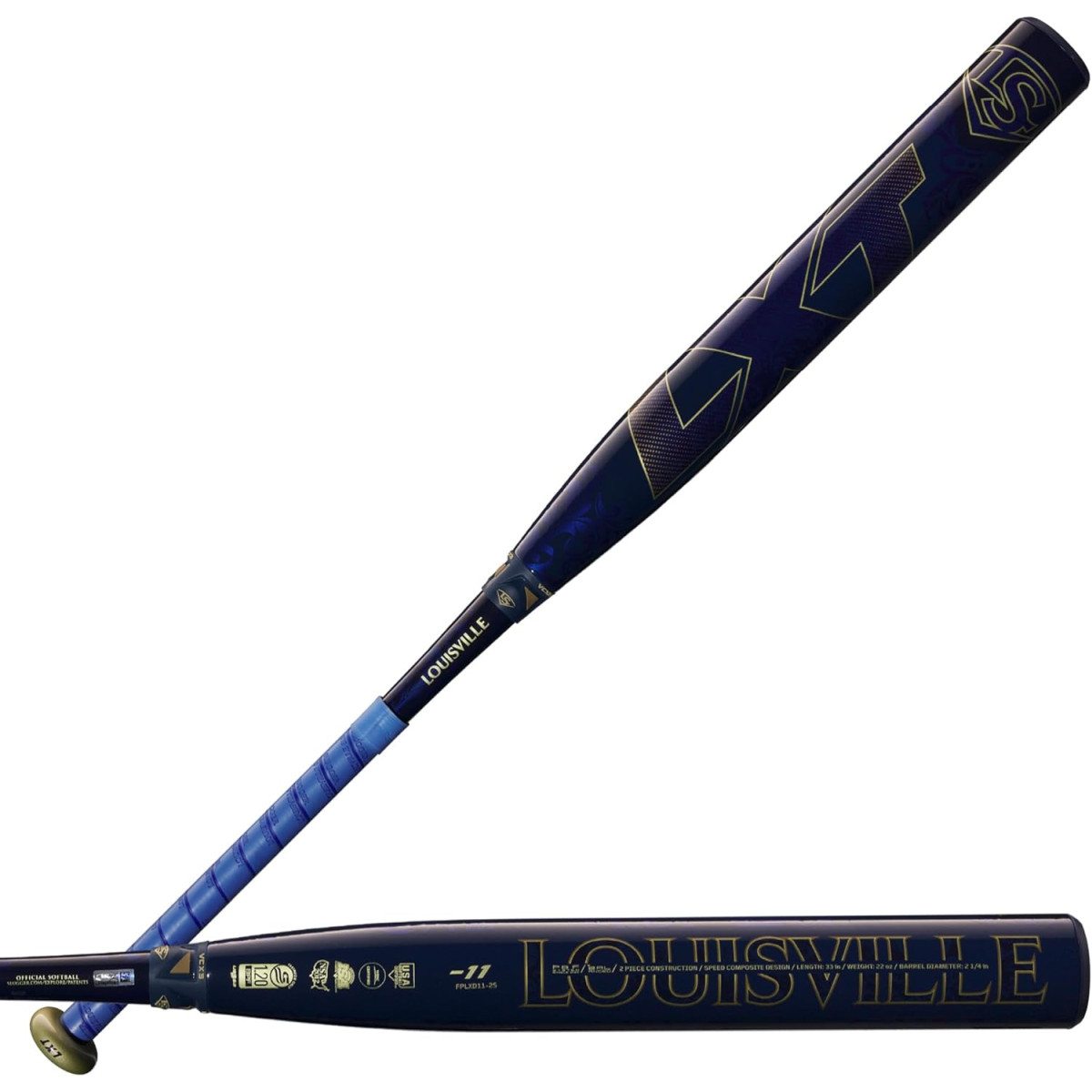
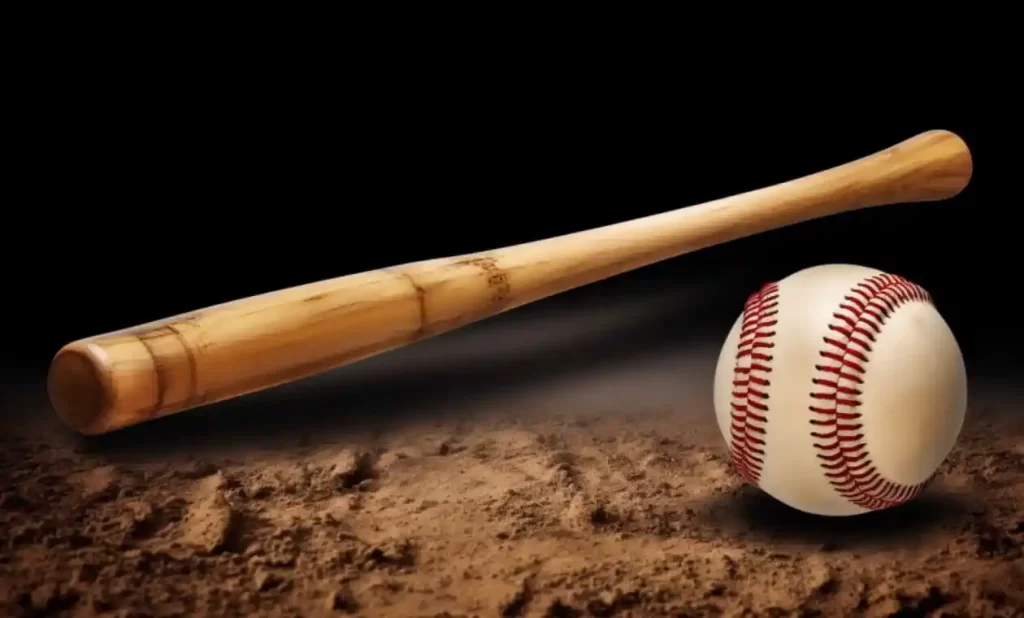
A tee ball bat is more than a piece of equipment—it’s an extension of a young player’s potential. At its core, the bat’s construction dictates its performance, durability, and comfort. The barrel, typically ranging from 24 to 26 inches in tee ball models, serves as the primary contact zone, where the ball’s energy transfers into momentum. Modern barrels often feature composite or alloy materials, each offering distinct advantages. Composite bats, crafted from layered carbon fiber, deliver a trampoline-like effect, amplifying exit velocity with minimal effort. Alloy bats, on the other hand, prioritize consistency and a stiffer response, ideal for players who prefer a traditional feel. The handle, often wrapped in cushioned tape or rubberized grips, plays a pivotal role in reducing vibration and enhancing control. Even the end cap, though seemingly minor, can influence balance and swing weight. Understanding these components empowers parents to select a bat that aligns with their child’s physical development and playing style.
Sizing the Perfect Fit: Length, Weight, and Swing Dynamics
Selecting the right size is the linchpin of a successful tee ball experience. A bat that’s too long or heavy can stifle a young player’s mechanics, while one that’s too short or light may fail to build the necessary strength. The standard approach involves measuring the player’s height and weight, then cross-referencing these metrics with league-approved sizing charts. For instance, a child standing 42 inches tall and weighing 50 pounds might thrive with a 25-inch bat weighing between 13 to 16 ounces. However, personal preference often trumps rigid guidelines. Some players favor a slightly heavier bat for added momentum, while others prioritize speed and opt for a lighter model. The “drop weight” (the difference between length in inches and weight in ounces) is another critical factor; a negative drop weight indicates a heavier bat relative to its length. Experimentation, within league limits, is key to finding the sweet spot where comfort meets performance.
Material Matters: Composite vs. Alloy vs. Hybrid Bats
The material composition of a tee ball bat can dramatically alter its behavior on the field. Composite bats, engineered with layered carbon and graphite, excel in dampening vibrations and delivering a forgiving sweet spot. Their performance tends to improve over time as the material breaks in, though they often come with a higher price tag. Alloy bats, typically made from aerospace-grade aluminum or scandium alloys, offer durability and a consistent response from the first swing. They’re less prone to temperature-related performance fluctuations, making them a reliable choice for outdoor play. Hybrid bats combine the best of both worlds, featuring an alloy barrel for strength and a composite handle for comfort. Each material caters to different priorities—composite for performance, alloy for longevity, and hybrid for versatility. Weighing these options against your child’s playing frequency and budget ensures a choice that stands the test of time.
League Regulations: Ensuring Compliance Without Compromising Performance
Before investing in a tee ball bat, it’s imperative to scrutinize league regulations, as non-compliance can lead to disqualification or safety hazards. USA Baseball, for example, mandates specific barrel diameters, material restrictions, and length-to-weight ratios for tee ball bats. Some leagues may also enforce bat drop limits or require the use of safety-end caps. Familiarizing yourself with these rules prevents last-minute surprises and ensures your child’s bat meets the necessary standards. Additionally, inspecting the bat for certification stamps—such as the USA Baseball mark—provides peace of mind. While regulations may seem restrictive, they’re designed to prioritize player safety and fair play. Balancing compliance with performance is achievable by selecting from reputable brands that adhere to these guidelines without sacrificing quality.
Ergonomics and Comfort: The Unsung Heroes of Tee Ball Success
A bat’s ergonomic design can be the difference between a frustrated swing and a seamless connection. Features like cushioned grips, contoured handles, and vibration-dampening technology mitigate sting and fatigue, allowing young players to focus on technique rather than discomfort. Some bats incorporate antimicrobial treatments to inhibit bacterial growth, a boon for shared equipment in team settings. The weight distribution also plays a subtle yet crucial role; a balanced bat promotes natural swing paths, while a end-loaded design can help build strength in older tee ball players. When testing a bat, pay attention to how it feels in your child’s hands—does the grip contour to their fingers? Does the weight feel manageable after repeated swings? Prioritizing comfort from the outset fosters confidence and reduces the likelihood of early burnout.
Top Picks for 2026: Bats That Redefine Tee Ball Excellence
The 2026 lineup of tee ball bats showcases groundbreaking advancements tailored to young athletes. The Titanium Flex 24 stands out with its proprietary carbon-fiber matrix, offering an unparalleled trampoline effect while maintaining a lightweight frame. For players seeking durability, the Scandium Storm Pro combines aerospace-grade alloy with a reinforced handle, ensuring longevity without sacrificing responsiveness. The ErgoGrip Junior introduces a revolutionary hexagonal grip pattern, reducing slippage and enhancing control for smaller hands. Meanwhile, the EcoSwing Eco caters to eco-conscious families, featuring a biodegradable composite that doesn’t compromise performance. Each of these models has been rigorously tested for safety and compliance, making them ideal candidates for league play. By evaluating these top picks against your child’s specific needs, you can narrow down the options to a bat that feels like an extension of their ambition.
Training with Purpose: Maximizing the Bat’s Potential
A bat is only as effective as the player wielding it. Incorporating purposeful training drills can unlock its full potential while building foundational skills. Tee work, for instance, allows players to focus on swing mechanics without the unpredictability of a pitched ball. Drills that emphasize hip rotation and follow-through—such as the “step-and-drive” technique—translate directly to bat speed and power. Resistance training, using weighted bats or bands, can also strengthen the muscles involved in swinging, though it’s essential to avoid overloading young arms. Video analysis, where players review their swings frame by frame, provides invaluable feedback for refining technique. Pairing these exercises with regular practice ensures that the bat becomes a tool for growth, not just a piece of equipment.
Maintenance and Longevity: Preserving Your Investment
Even the highest-quality tee ball bat requires diligent care to maintain its performance. Storing the bat in a cool, dry place prevents warping, while avoiding extreme temperatures—such as leaving it in a hot car—preserves the material’s integrity. Regularly inspecting the bat for cracks, dents, or loose end caps ensures safety during play. Cleaning the grip with mild soap and water removes dirt and sweat buildup, while occasional application of grip-enhancing products restores tackiness. For composite bats, avoiding excessive use in cold weather can prevent premature wear. By treating the bat as a long-term investment, you extend its lifespan and ensure consistent performance season after season.