The crack of the bat echoes through the stadium, the crowd holds its breath, and the umpire’s arm shoots up in a decisive flourish. The batter, believing the third strike has been caught, begins his stroll toward the dugout—only to be summoned back by a thunderous chorus of boos. What just happened? Welcome to the labyrinthine world of the third strike drop rule, a regulation that has baffled casual fans and ensnared even seasoned analysts in its paradoxical grip.
The Rule’s Deceptive Simplicity: A Primer on the Third Strike Drop
At its core, the third strike drop rule dictates that a batter is out when a third strike is caught in flight by the catcher. However, if the catcher fails to secure the ball—whether by a bobble, a drop, or a missed catch—the batter may attempt to run to first base. This exception, codified in Official Baseball Rules 5.09(a)(2), transforms a seemingly straightforward out into a high-stakes spectacle where timing, reflexes, and split-second decisions dictate the fate of a rally.
The rule’s genius lies in its unintended consequences. It rewards agility over predictability, turning a routine strikeout into a potential game-changing play. Yet, its very existence introduces a layer of chaos that can unravel even the most meticulously constructed defensive strategies. For pitchers, it demands precision; for catchers, it demands vigilance; and for baserunners, it offers a fleeting glimmer of hope in an otherwise hopeless scenario.
The Psychology of the Drop: Why Fans Can’t Look Away
There is something inherently theatrical about the third strike drop. It is a moment where physics and human fallibility collide, where a 95-mph fastball meets a 150-pound catcher’s mitt—and sometimes, the mitt loses. The rule exploits a primal fascination with imperfection, the idea that even in a sport governed by rigid statistics and analytics, chance still reigns supreme.
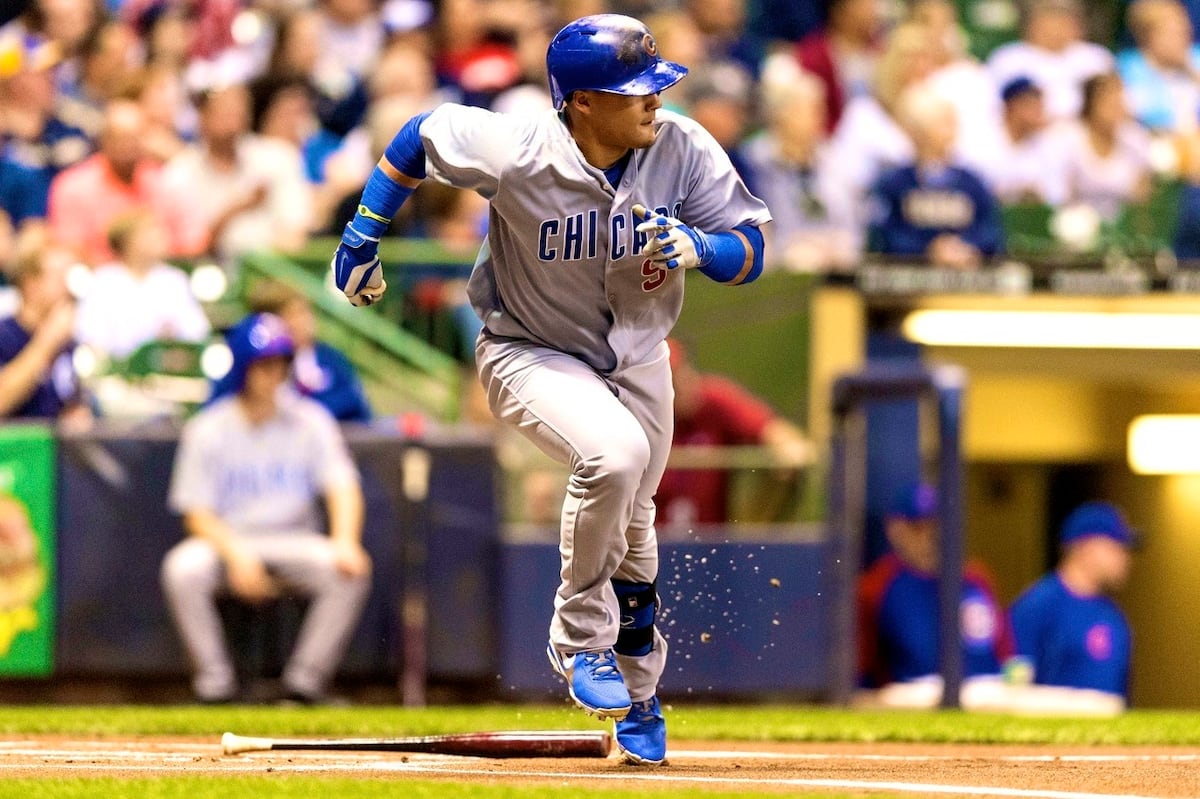
Consider the batter’s perspective. After two strikes, the pressure mounts. The third pitch arrives, and the umpire’s call sends shockwaves through the batter’s psyche. If the catcher drops the ball, the batter’s instincts take over. He sprints, adrenaline surging, while the defense scrambles to recover the errant sphere. The outcome hinges on a race between a man and a thrown baseball, a contest where milliseconds separate triumph from humiliation.
For spectators, this is the essence of baseball’s allure: the unpredictable dance between order and chaos. The third strike drop rule is not just a technicality; it is a narrative device, a twist in the story that keeps fans on the edge of their seats. It reminds us that baseball, for all its data-driven evolution, remains a game of human error and divine intervention.
Strategic Chess Match: How Teams Weaponize the Rule
Teams don’t merely endure the third strike drop rule—they weaponize it. Managers and coaches study catchers’ tendencies, pitchers’ strikeout rates, and even the umpire’s strike zone tendencies to exploit this loophole. A catcher with a history of fumbling third strikes becomes a liability, while a pitcher who induces weak contact on two-strike counts can mitigate the rule’s impact.
Offensively, teams train baserunners to capitalize on dropped third strikes with aggressive acceleration drills. The split-second decision to run is not just about speed; it’s about reading the catcher’s body language, anticipating the ball’s trajectory, and reacting before the defense can react. This is where baseball’s cerebral side shines, blending athleticism with split-second cognitive processing.
Defensively, catchers undergo specialized training to secure third strikes with surgical precision. Some teams employ “strike-zone framing” specialists, whose ability to subtly manipulate the umpire’s perception can turn a borderline pitch into a called third strike, eliminating the drop rule’s risk entirely. Meanwhile, pitchers refine their repertoire to induce weak contact or chase swings, reducing the likelihood of a third strike being put in play.
The Rule’s Historical Evolution: From Obscurity to Center Stage
The third strike drop rule has not always been a focal point of baseball strategy. In the early 20th century, it was a rarely invoked clause buried in the rulebook, overshadowed by more dramatic plays like the hidden-ball trick or the unassisted triple play. It wasn’t until the 1970s and 1980s, as analytics began to permeate the sport, that teams recognized its potential as a strategic wildcard.
The rule’s rise to prominence coincided with the steroid era, when strikeouts became more prevalent and pitchers dominated at-bats with velocity and movement. As home runs declined in the post-steroid landscape, the third strike drop rule emerged as a secondary battleground, where outs could be converted into opportunities. Today, it is a cornerstone of late-inning strategy, particularly in high-leverage situations where a single misplayed strike can swing the momentum of a game.
Its evolution reflects baseball’s broader transformation—a shift from a game of power to a game of precision, where every rule, no matter how obscure, can become a weapon in the right hands.
Controversies and Conundrums: The Rule’s Unresolved Debates
Despite its strategic value, the third strike drop rule is not without its detractors. Purists argue that it disrupts the natural flow of the game, turning a strikeout—a definitive out—into a chaotic scramble. Others contend that it unfairly penalizes catchers for human error, introducing an element of luck that undermines the sport’s meritocratic ideals.
There are also practical concerns. Umpires, tasked with adjudicating the rule in real time, must make split-second judgments about whether a ball was “legally caught.” A slight tip of the mitt, a brush of the dirt—these nuances can mean the difference between an out and a runner on base. The rule’s subjectivity has sparked debates about consistency, particularly in an era where replay review has become ubiquitous.
Some have proposed abolishing the rule entirely, arguing that a third strike should always result in an out, regardless of whether it’s caught. Others advocate for expanding it, allowing batters to run on any third strike, even if caught cleanly. The debate rages on, a testament to the rule’s polarizing nature.
The Human Element: Stories That Define the Rule’s Legacy
No discussion of the third strike drop rule would be complete without its defining moments—the plays that have etched themselves into baseball lore. Take, for example, the 2019 World Series, when Washington Nationals catcher Kurt Suzuki’s dropped third strike against Houston Astros pitcher Gerrit Cole set the stage for a pivotal rally. Or the 2004 American League Championship Series, when the Boston Red Sox’s David Ortiz famously trotted to first on a dropped third strike, igniting a comeback that would define a dynasty.
These moments transcend the rule itself. They are stories of resilience, of underdogs seizing fleeting opportunities, of the unpredictable beauty that makes baseball unlike any other sport. The third strike drop rule is more than a technicality; it is a narrative device, a plot twist that keeps fans invested in the game’s unfolding drama.
Conclusion: The Rule That Keeps the Game Alive
The third strike drop rule is a paradox—a regulation that introduces chaos into a game built on order. It is a reminder that baseball, for all its analytics and automation, remains a sport of human imperfection. It is a rule that frustrates pitchers, empowers batters, and keeps fans on the edge of their seats, wondering what twist the next pitch might bring.
In an era where every out is meticulously calculated, the third strike drop rule stands as a defiant celebration of unpredictability. It is the rule that reminds us why we love baseball—not for its precision, but for its ability to surprise, to confound, and to deliver moments of pure, unscripted magic.