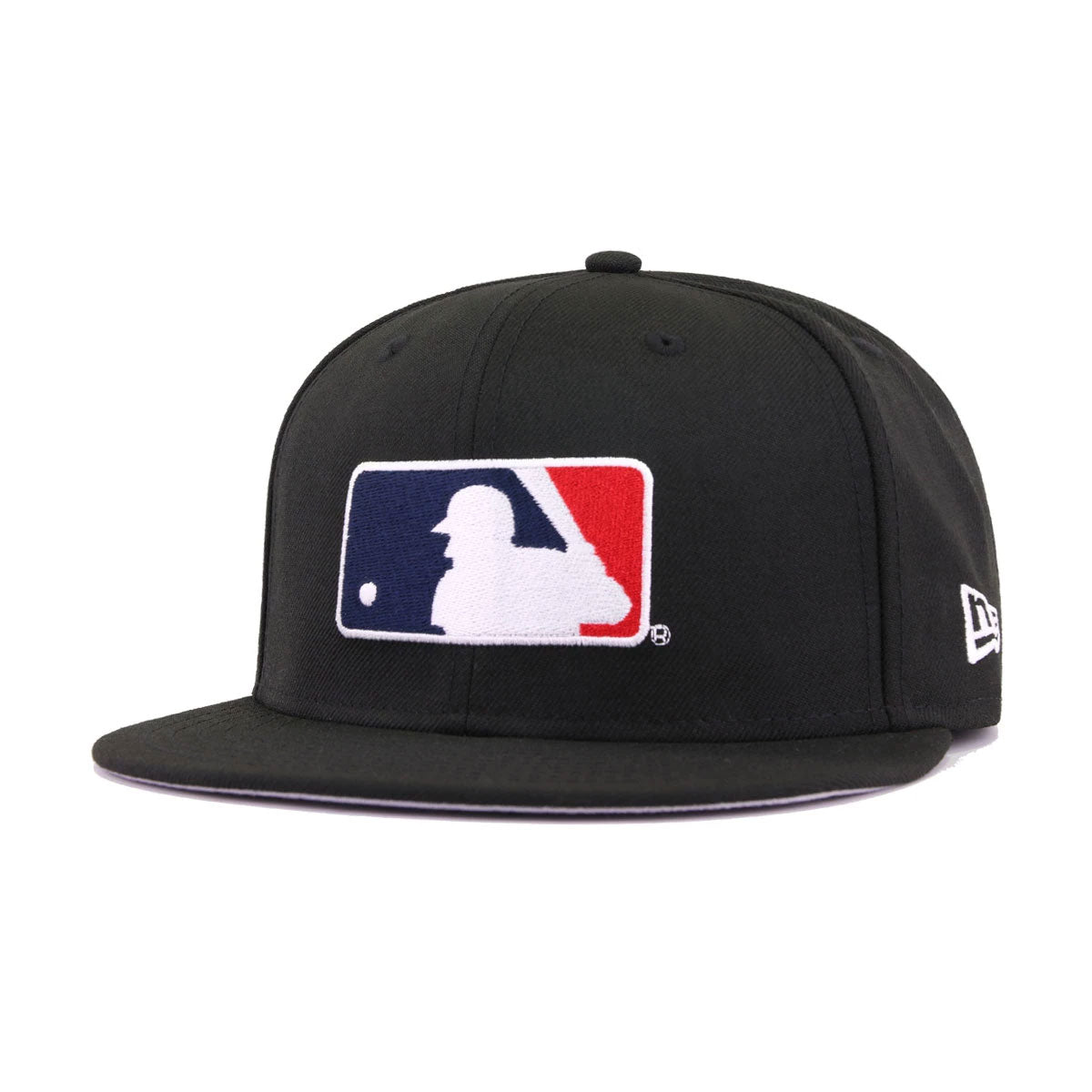
The baseball cap, a seemingly simple accessory, has transcended its utilitarian origins to become a cultural phenomenon woven into the fabric of sports, fashion, and identity. Its journey from the dusty fields of 19th-century America to the global stage of modern athletics is a testament to its adaptability and symbolic power. This article explores the multifaceted reasons behind the baseball cap’s iconic status in sports culture, examining its historical roots, functional evolution, and the psychological and social layers that have cemented its place in collective consciousness.
The Humble Origins: From Utility to Symbolism
The baseball cap’s genesis traces back to the mid-1800s, when the Brooklyn Excelsiors, a New York baseball team, adopted a six-panel, brimmed hat to shield players from the sun’s glare. This practical design, later standardized by the Spalding sporting goods company, was a far cry from the flamboyant headwear of the era. Yet, it was precisely this understated functionality that allowed the cap to evolve beyond its original purpose. By the early 20th century, the cap had become a visual shorthand for team allegiance, its embroidered logos transforming it into a badge of honor. The shift from mere protection to identity marker was subtle but profound, laying the groundwork for its future cultural resonance.
The Rise of the Logo: Branding and Team Identity
As professional sports leagues burgeoned in the 20th century, the baseball cap morphed into a canvas for branding. Teams leveraged the cap’s visibility to cultivate fan loyalty, turning it into a portable billboard for team colors, mascots, and slogans. The New York Yankees’ iconic interlocking “NY” logo, for instance, became synonymous with excellence, while the Chicago Bulls’ bold red and black design transcended basketball to symbolize a global brand. This symbiosis between sports and merchandise was revolutionary, as the cap’s value shifted from functional to symbolic. Fans didn’t just wear their team’s colors; they wore their identity, their history, and their aspirations.
Beyond the Diamond: The Cap’s Expansion into Pop Culture
The baseball cap’s influence extended far beyond the confines of the sports field. By the 1980s and 1990s, it had infiltrated hip-hop, skateboarding, and streetwear scenes, becoming a staple of urban fashion. Artists like LL Cool J and Run-DMC popularized the cap as a statement piece, often worn backward or emblazoned with bold graphics. Skateboarders, meanwhile, embraced the cap as both a practical shield from the sun and a marker of subcultural belonging. This cross-pollination of sports and counterculture ensured the cap’s relevance in diverse social circles, proving its chameleonic ability to adapt to different zeitgeists.
The Psychology of the Cap: Status and Belonging
At its core, the baseball cap taps into deep psychological needs: the desire for status and the comfort of belonging. Wearing a cap emblazoned with a team logo or a designer brand signals affiliation, whether to a sports team, a music scene, or a social movement. Studies in consumer behavior suggest that such accessories trigger a sense of tribal identity, fostering group cohesion and individual expression. The cap’s unisex design and adjustable fit further democratize its appeal, making it a universal symbol of unity. In an era of digital fragmentation, the baseball cap remains a tangible, tactile reminder of shared experiences and collective memory.
Innovation and Evolution: The Cap in the Modern Era
Today, the baseball cap is a far cry from its humble beginnings. Technological advancements have introduced moisture-wicking fabrics, magnetic closures, and even smart caps embedded with sensors. Yet, despite these innovations, the cap’s enduring appeal lies in its simplicity. Brands like New Era and Carhartt have elevated the cap to high-fashion status, while collaborations with artists and athletes have pushed its creative boundaries. The rise of streetwear culture has also seen the cap become a canvas for avant-garde designs, from embroidered poetry to abstract art. This evolution underscores the cap’s remarkable ability to remain relevant across generations and disciplines.
The Cap as a Canvas: Art, Activism, and Expression
In the 21st century, the baseball cap has transcended its role as a mere accessory to become a medium for art and activism. Designers like Virgil Abloh and brands like Supreme have used the cap as a platform for social commentary, whether through bold typography, political slogans, or collaborations with marginalized communities. The cap’s visibility makes it an ideal tool for advocacy, allowing wearers to broadcast their beliefs without uttering a word. From LGBTQ+ pride caps to climate change awareness designs, the cap has become a silent yet powerful megaphone for change, proving that its significance extends far beyond the realm of sports.
The Future of the Icon: Sustainability and Digital Integration
As the world grapples with environmental concerns, the baseball cap industry faces a new challenge: sustainability. Brands are increasingly turning to recycled materials, organic cotton, and biodegradable dyes to reduce their ecological footprint. Meanwhile, digital integration is poised to revolutionize the cap’s functionality, with augmented reality features and NFC chips embedded in brims to unlock exclusive content or track performance metrics. Despite these advancements, the cap’s enduring charm lies in its ability to remain timeless, a relic of the past that continues to shape the future. Its journey from the baseball diamond to the global stage is far from over, and its next chapter promises to be as dynamic as the eras that came before.