The crack of the bat, the roar of the crowd, the scent of popcorn and beer—baseball is a sport steeped in tradition, nostalgia, and, for some, the occasional altercation. While most fans attend games to escape the mundanity of daily life, the specter of conflict looms in the bleachers, the concourses, and even the parking lots of MLB stadiums. Not all ballparks are equal in this regard. Some are veritable powder kegs of simmering tensions, where a misplaced elbow or a drunken taunt can escalate into a full-blown brawl. Others are surprisingly serene, where the most heated debate revolves around whether the hot dog vendor is charging too much for nachos. This isn’t just about rowdiness; it’s about the unique alchemy of crowd psychology, alcohol consumption, and the unspoken rules of baseball fandom that turn certain stadiums into battlegrounds of camaraderie—or chaos.
The Anatomy of a Fight: Why Some Stadiums Breed Conflict
Not all MLB stadiums are created equal when it comes to the likelihood of spectators trading blows. The architecture of aggression—or lack thereof—plays a significant role. Stadiums with cramped concourses, narrow walkways, and poor sightlines force fans into close quarters, where personal space becomes a fleeting concept. The heat of a summer night in a city like Phoenix or St. Petersburg can amplify irritability, turning minor slights into major grievances. Meanwhile, stadiums with expansive open-air concourses, like those in Denver or San Diego, allow tensions to dissipate before they boil over.
Then there’s the matter of alcohol. MLB stadiums are, by design, places where inhibitions are loosened and judgment is impaired. The more readily available beer is, the higher the stakes for conflict. Some stadiums enforce strict drink limits or cut off sales early, while others adopt a laissez-faire approach, trusting fans to police themselves. The result? A spectrum of behavior that ranges from polite intoxication to full-blown melees. The architecture and alcohol policies of a stadium don’t just shape the game—they shape the very fabric of the fan experience.
The Most Combative Stadiums: Where Fights Are Almost Inevitable
Certain MLB stadiums have earned reputations as hotbeds of hostility, where the specter of conflict is as much a part of the game as the seventh-inning stretch. Take, for example, the stadium in Chicago, where the White Sox play. The energy here is electric, but so is the tension. The proximity of rival fans in the stands, combined with the city’s blue-collar grit, creates an environment where pride is on the line with every pitch. A misplaced comment about the Cubs’ recent struggles can quickly escalate into a shoving match, and once fists start flying, it’s often the security teams who find themselves outnumbered.
Then there’s the stadium in Boston, a place where the passion of Red Sox Nation is matched only by its volatility. The historic rivalry with the Yankees isn’t just confined to the field; it spills into the stands, where fans of both teams are often seated in close proximity. The compact design of Fenway Park means that disagreements can turn physical in an instant, and the city’s reputation for brashness only fuels the fire. Here, a fight isn’t just a possibility—it’s an almost inevitable byproduct of the fan experience.
The Surprisingly Peaceful Havens: Stadiums Where Fights Are Rare
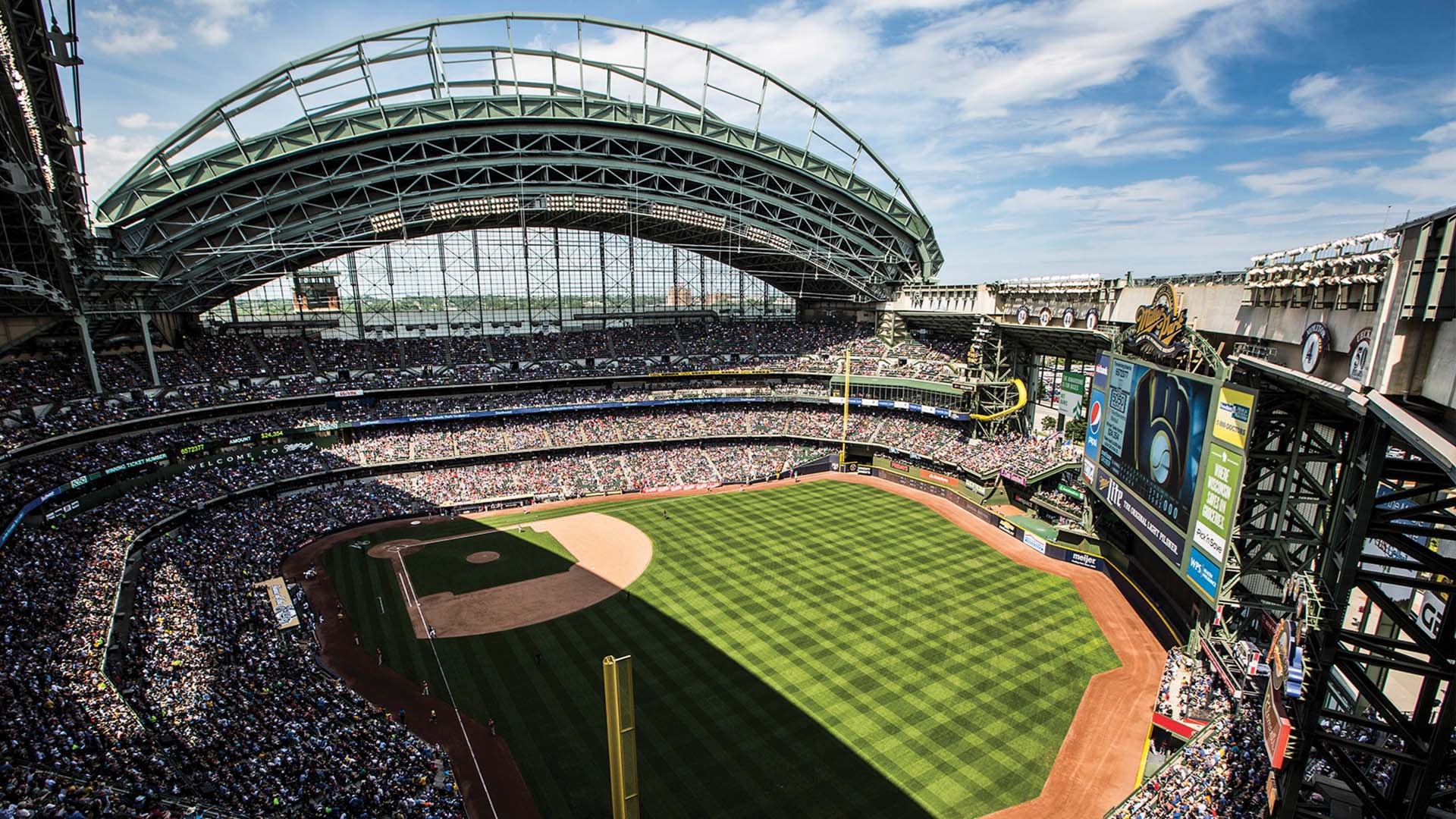
Not all MLB stadiums are battlegrounds. Some are sanctuaries of civility, where the only conflicts arise from debates over whether the organist should play “Sweet Caroline” for the 12th time in a row. Take, for instance, the stadium in Milwaukee, where the Brewers’ fanbase is known for its warmth and inclusivity. The open-air concourses of American Family Field allow fans to spread out, reducing the likelihood of accidental (or intentional) physical contact. The city’s laid-back Midwestern culture also plays a role, fostering an environment where disagreements are settled with words, not fists.
Similarly, the stadium in San Francisco, home of the Giants, is a place where the focus remains squarely on the game. The Giants’ fanbase is diverse and family-oriented, and the stadium’s design encourages a more relaxed atmosphere. While rivalries with the Dodgers and Giants can spark heated debates, the physical confrontations are rare. The city’s progressive values and the stadium’s emphasis on community likely contribute to this relative tranquility. Here, the biggest fight might be over who gets the last pretzel at the concession stand.
The Role of Rivalries: How Team Histories Fuel Fan Hostility
Rivalries are the lifeblood of baseball, but they’re also a catalyst for conflict. The history between certain teams is so fraught with animosity that it seeps into every aspect of the fan experience, including the stadium itself. The Yankees and Red Sox, for example, have a rivalry that dates back over a century, and the hatred between their fanbases is almost palpable. When these two teams meet, the stadium becomes a pressure cooker, where every call, every play, and every taunt is magnified. The result? A higher likelihood of altercations, not just between fans but between security and spectators.
Other rivalries, like the one between the Dodgers and Giants, are more regional but no less intense. The proximity of the teams in California means that fans often cross paths in everyday life, and those interactions can spill over into the stadium. The Dodgers’ stadium in Los Angeles, with its modern design and open layout, may mitigate some of the tension, but the rivalry itself ensures that conflicts are never far from the surface. These historical grudges aren’t just about baseball—they’re about identity, pride, and the unspoken rules of fandom that dictate when it’s acceptable to throw a punch.
The Psychology of the Crowd: Why Some Stadiums Attract More Conflict
The behavior of a crowd isn’t just a sum of its parts; it’s a living, breathing entity with its own psychology. In some stadiums, the crowd takes on a life of its own, amplifying the emotions of the game and creating an environment where conflict is almost inevitable. This phenomenon, known as deindividuation, occurs when individuals lose their sense of self in a group, leading to behaviors they wouldn’t otherwise engage in. Stadiums with large, dense crowds—like those in New York or Philadelphia—are prime breeding grounds for this effect. The anonymity of the crowd allows fans to act out in ways they wouldn’t in a more controlled environment.
Conversely, stadiums with smaller, more intimate crowds—like those in Miami or Tampa Bay—tend to foster a different kind of atmosphere. Here, the sense of community is stronger, and the crowd’s behavior is more restrained. The lack of anonymity means that fans are more likely to police themselves, reducing the likelihood of conflict. The psychology of the crowd is a powerful force, shaping not just the fan experience but the very nature of the game itself.
The Unwritten Rules of Fan Conflict: When It’s Okay to Throw a Punch
Not all fights in baseball stadiums are created equal. There’s an unspoken code among fans about when it’s acceptable to escalate a conflict and when it’s best to walk away. For example, insulting a player’s performance is generally tolerated, but insulting their mother is a surefire way to start a brawl. Similarly, wearing the wrong team’s colors into enemy territory is a risky move, but doing so in a neutral stadium is less likely to provoke a response. These unwritten rules vary from city to city, but they’re a crucial part of the fan experience.
The line between playful ribbing and outright hostility is thin, and it’s often crossed in the heat of the moment. Security teams are trained to recognize the signs of an impending altercation, but in the chaos of a packed stadium, it’s impossible to prevent every conflict. The key to minimizing fights lies in understanding these unwritten rules and fostering an environment where fans feel safe expressing their passion without resorting to violence. It’s a delicate balance, one that MLB stadiums are constantly striving to achieve.
Conclusion: The Dual Nature of Baseball’s Fan Experience
Baseball stadiums are microcosms of society, where the best and worst of human nature are on full display. They’re places of joy, camaraderie, and shared experience, but they’re also stages for conflict, where the line between sportsmanship and savagery is often blurred. The likelihood of a fight breaking out in any given stadium depends on a complex interplay of factors: architecture, alcohol, rivalries, crowd psychology, and the unwritten rules of fandom. Some stadiums are peaceful havens, while others are battlegrounds where tempers flare at the slightest provocation.
Yet, for all their potential for chaos, these stadiums are also places of profound connection. The shared experience of watching a game, win or lose, fosters a sense of community that transcends the occasional altercation. Whether you’re in the heart of a brawl or sipping a beer in the relative calm of the upper deck, the essence of the baseball stadium remains the same: it’s a place where strangers become friends, and where the thrill of the game is matched only by the unpredictability of the crowd.