The crack of the bat, the roar of the crowd, the rhythmic undulation of spectators rising in unison—baseball’s “wave” has long been a staple of the ballpark experience. Yet, nestled within this tradition lies a contentious divide: the “Anti-Wave” movement, a rebellion against the orchestrated chaos of collective motion. This civil war in the stands pits tradition against innovation, camaraderie against individualism, and nostalgia against modernity. For the casual fan, it’s a quirky spectacle; for the die-hard purist, it’s an affront to the game’s soul. But what exactly is the “Anti-Wave,” and why does it stir such fervent debate? Let’s dissect this phenomenon, exploring its origins, its cultural significance, and the broader implications for the future of baseball fandom.
The Wave: A Tradition Born of Chaos
The wave, as we know it today, emerged in the early 1980s, though its roots trace back to earlier forms of crowd synchronization. The first recorded instance in a baseball stadium occurred in 1981 during a game between the Seattle Mariners and the New York Yankees, though some credit the Oakland Athletics’ fans for popularizing it later that decade. At its core, the wave is a simple yet mesmerizing display of collective participation—a domino effect of spectators standing, raising their arms, and sitting in unison, creating a visual spectacle that ripples through the stands like a Mexican wave at a soccer match.
Proponents argue that the wave embodies the communal spirit of baseball. It breaks down barriers between strangers, turning a disparate crowd into a unified entity. For families attending their first game, the wave offers a rite of passage, a shared moment of joy that transcends the on-field action. It’s a low-stakes, high-impact tradition that requires no prior knowledge of the sport—just a willingness to participate. Yet, its very simplicity is also its Achilles’ heel. The wave, in its most basic form, is repetitive. It lacks the spontaneity of a spontaneous cheer or the strategic depth of a well-timed chant. For some, it’s a mindless distraction, a forced interruption of the game’s natural rhythm.
The Anti-Wave: A Rebellion Against the Status Quo
The “Anti-Wave” is not a monolithic movement but a spectrum of dissent. At its mildest, it manifests as passive resistance—fans who refuse to stand, who remain seated as the wave approaches, or who engage in side conversations to avoid participation. More strident opponents view the wave as a violation of baseball’s etiquette, an imposition on their right to enjoy the game undisturbed. They argue that the wave disrupts the ebb and flow of the ballpark experience, turning a leisurely afternoon into a forced social experiment.
Some Anti-Wave advocates frame their stance as a defense of baseball’s soul. They point to the game’s rich history of organic, fan-driven traditions—spontaneous chants, player-specific cheers, and the occasional heckling of opposing pitchers—as hallmarks of authenticity. The wave, they contend, is a manufactured spectacle, a gimmick imported from other sports that dilutes the purity of baseball fandom. Others see it as a generational divide. Younger fans, raised on the instant gratification of viral trends and TikTok challenges, may embrace the wave as a form of digital-age engagement, while older spectators view it as a crass commercialization of tradition.
The Psychology Behind Participation and Resistance
Why do some fans eagerly join the wave while others bristle at the idea? The answer lies in the psychology of conformity and individualism. Social psychologists have long studied the “wave effect,” noting how it taps into the brain’s reward system. Participating in a collective action triggers the release of oxytocin, the “bonding hormone,” fostering a sense of belonging. For first-time attendees or solo spectators, the wave offers an easy entry point into the communal experience of baseball.
Yet, resistance to the wave often stems from a desire to assert autonomy. In an era where algorithms dictate behavior and social media pressures conformity, the Anti-Wave can be seen as an act of defiance—a reclaiming of personal agency. Some fans reject the wave not out of antipathy but out of a need to carve out their own space in the crowd. They may prefer to focus on the game, to savor the nuances of a pitcher’s delivery or the arc of a home run, without the distraction of synchronized motion. For them, the wave is not a unifying force but a disruptive force, a reminder that baseball, at its heart, is an individual sport played in a team setting.
Stadiums as Battlegrounds: Where Tradition Meets Innovation
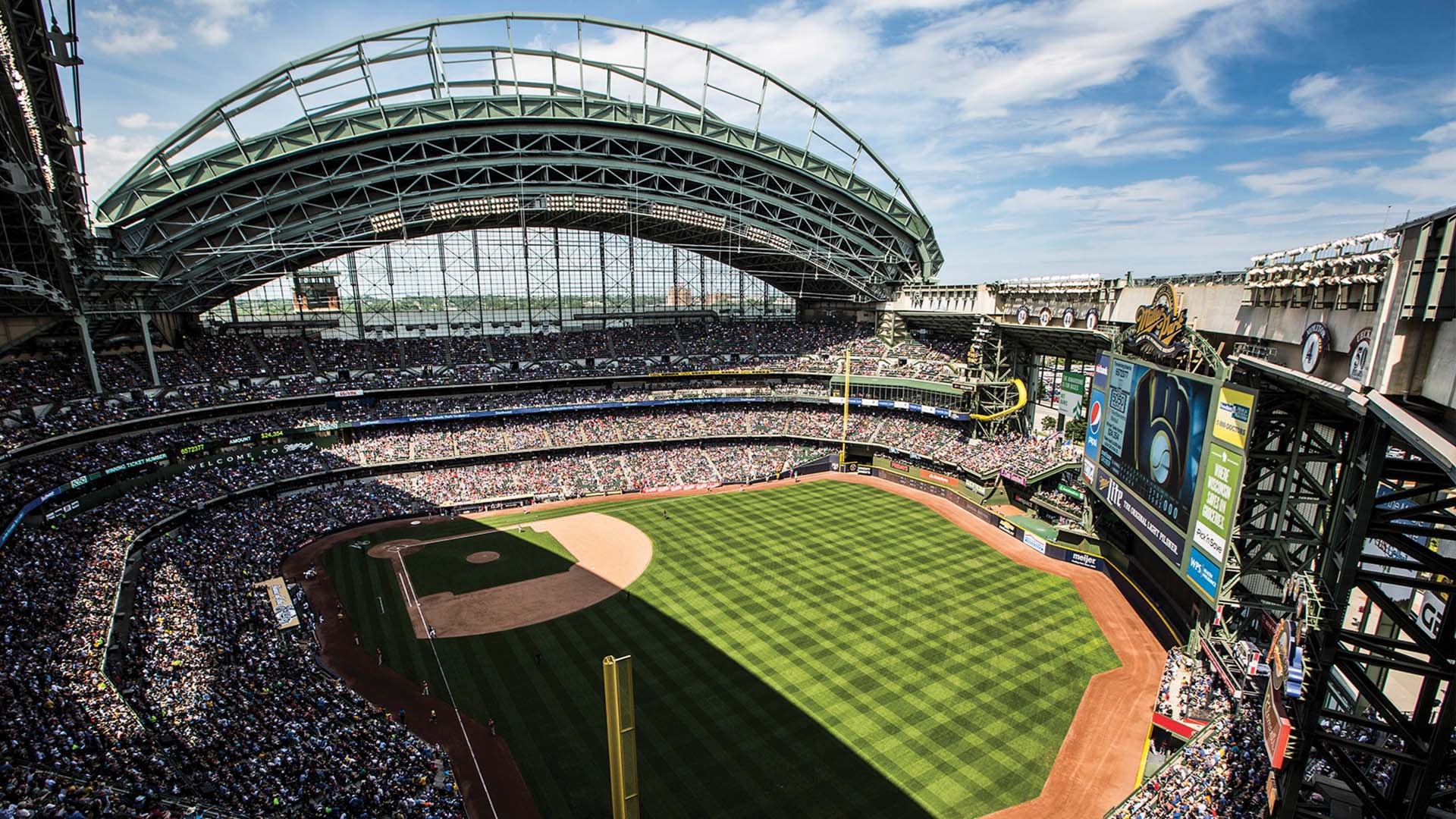
The tension between the wave and the Anti-Wave is most palpable in modern stadiums, where the architecture itself can amplify or mute the divide. In intimate ballparks like Fenway Park or Wrigley Field, the wave’s ripple effect is more organic, its spread dictated by the natural flow of the crowd. In sprawling, multi-tiered stadiums like Dodger Stadium or AT&T Park, the wave can feel like a manufactured spectacle, its progress slowed by the sheer scale of the venue.
Some franchises have attempted to regulate the wave, either by encouraging it as part of the in-game entertainment or by discouraging it as a distraction. The Chicago Cubs, for instance, have historically embraced the wave as part of their fan experience, while the New York Yankees have been more ambivalent, leaving its fate to the whims of the crowd. The rise of “wave police”—fans who take it upon themselves to enforce participation or resistance—has further complicated the dynamic. These self-appointed arbiters of ballpark etiquette turn the stands into a microcosm of societal divides, where the line between tradition and tyranny blurs.
The Broader Implications: Is the Wave Sustainable?
As baseball grapples with declining attendance and the challenge of engaging younger demographics, the wave has become a symbol of the sport’s broader identity crisis. On one hand, it’s a tool for inclusivity, a way to make the ballpark feel alive and interactive. On the other, it risks reducing the fan experience to a series of obligatory rituals, stripping away the spontaneity that once defined baseball culture.
Some analysts argue that the wave’s decline is inevitable, a relic of a bygone era superseded by more dynamic forms of fan engagement. Others see it as a resilient tradition, adaptable enough to coexist with modern sensibilities. The key, perhaps, lies in striking a balance—allowing the wave to exist as one of many expressions of fandom, rather than the sole defining feature of the ballpark experience. After all, baseball has always been a sport of contradictions: a game of individual heroics played within a team framework, a pastime that blends nostalgia with innovation.
The Future of Fan Engagement: Beyond the Wave
The “Anti-Wave” movement, in its quiet defiance, raises a provocative question: What does the future of baseball fandom look like? As augmented reality, interactive apps, and personalized content become more prevalent, the wave may seem quaint by comparison. Yet, its enduring appeal suggests that there’s still a place for low-tech, communal experiences in an increasingly digital world.
Perhaps the solution lies in reimagining the wave—not as a mandatory tradition but as an optional one. Imagine a stadium where the wave is just one of many tools for crowd engagement: a spontaneous cheer for a standout play, a coordinated chant for a beloved player, or a moment of collective silence to honor a historic moment. The wave, in this context, becomes not a distraction but a complement to the game’s natural rhythms.
For now, the civil war in the stands continues, a testament to the enduring complexity of baseball fandom. Whether you’re a wave enthusiast or a staunch opponent, one thing is clear: the debate itself is as much a part of the game as the seventh-inning stretch or the crack of the bat.