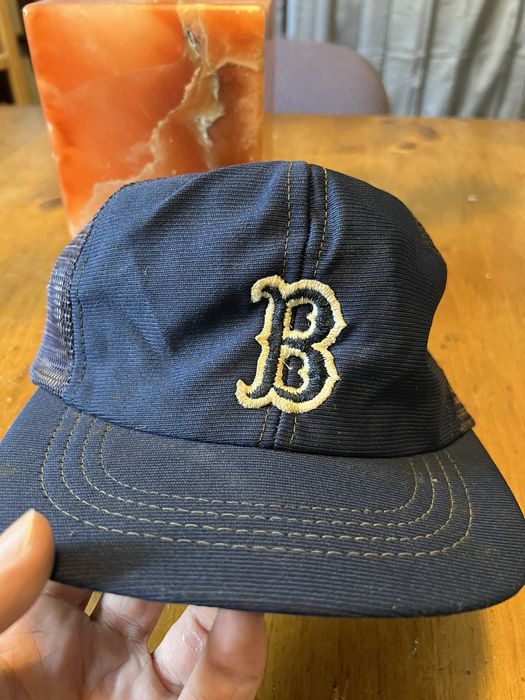
There’s something almost alchemical about a vintage Boston Red Sox cap or sweatshirt—how a piece of fabric, stitched decades ago, can still pulse with the heartbeat of Fenway Park. It’s not merely clothing; it’s a talisman. A silent testament to loyalty, to the long shadows of Yawkey Way, to the crack of the bat echoing through the decades. These aren’t just garments; they’re relics of a storied past, each thread woven with the echoes of World Series triumphs and heartbreaking near-misses. To wear one is to step into a legacy that stretches back over a century, where every faded logo and worn-in seam tells a story of devotion that transcends generations.
The Allure of Authenticity: Why Vintage Red Sox Apparel Captivates Collectors
In an era dominated by mass-produced, digitally printed sportswear, vintage Boston Red Sox apparel stands apart like a handwritten letter in a world of emails. Authenticity isn’t just a buzzword here—it’s a palpable quality. The cotton feels heavier, the stitching more deliberate, the colors richer for their age. These pieces carry the patina of time: the slight fraying at the brim of a 1970s cap, the subtle fading of a 1986 sweatshirt’s lettering, the faint scent of old wool and leather that lingers like a ghost of ballgames past. For collectors, the hunt is as much about the thrill of discovery as it is about ownership. A well-preserved 1967 Carl Yastrzemski jersey isn’t just a shirt; it’s a fragment of a season when the Impossible Dream nearly became reality. The allure lies in the imperfections—the way a once-vibrant red has mellowed into a burnished burgundy, or how the embroidery on a 1950s cap has softened with wear. These are the hallmarks of something real, something that has lived and breathed.
From the Green Monster to the Backyard: The Cultural Footprint of Red Sox Gear
The Boston Red Sox are more than a baseball team; they are a cultural institution, and their vintage apparel is a mobile museum of fandom. A 1940s-era cap, with its simple, unadorned “B” and slightly oversized fit, evokes an era when Fenway was still a neighborhood ballpark, where the roar of the crowd could drown out the hum of the city. Fast-forward to the 1975 World Series era, and the psychedelic hues of Carlton Fisk’s jersey become a symbol of resilience, of a team that refused to yield. Even in suburban backyards and college dorms, these pieces transcend their function. A vintage sweatshirt, worn during a blizzard in 2013 when the Sox finally broke the curse, carries the weight of collective relief. It’s not just fabric—it’s a conversation starter, a badge of honor, a way to declare, without words, “I was here.” The cultural footprint extends beyond Boston; it’s a language understood by fans from Tokyo to Toronto, a silent nod of recognition among strangers who share a love for a team that has shaped identities.
The Art of the Hunt: Where to Find Genuine Vintage Red Sox Treasures
Tracking down authentic vintage Boston Red Sox apparel is a pursuit that rewards patience and persistence. Estate sales in New England often yield hidden gems—perhaps a 1960s-era wool cap tucked away in a cardboard box, its owner unaware of its value. Thrift stores in college towns, where students cycle in and out of dorms, can be goldmines for faded jerseys and retro hoodies. Online marketplaces, too, have become treasure troves, though the discerning buyer must navigate a labyrinth of replicas and mislabeled items. The key is to look for telltale signs of age: the buttery softness of aged cotton, the slightly uneven stitching of hand-sewn jerseys, the presence of original tags or labels. Provenance matters—if a seller can trace a piece back to a specific era or player, its value skyrockets. For the truly dedicated, auctions dedicated to sports memorabilia offer a chance to own a piece of history, though the prices can be stratospheric for items tied to legendary players or championship seasons. The hunt itself becomes part of the allure, a modern-day scavenger hunt where the prize is a tangible piece of baseball’s soul.
Styling Vintage Red Sox Apparel: From Game Day to Streetwear
Vintage Boston Red Sox gear isn’t confined to the stands at Fenway—it’s a versatile wardrobe staple that can elevate any outfit. A 1980s-era sweatshirt, with its bold, blocky lettering, pairs effortlessly with dark denim and leather boots for a look that’s equal parts retro and rugged. A faded cap from the 1990s, its brim slightly bent, adds a touch of nonchalant cool to a minimalist ensemble. For a bolder statement, layering a vintage jersey over a crisp white tee creates a juxtaposition of old and new, a visual reminder of the team’s enduring legacy. Even the most understated pieces—a simple 1970s-era T-shirt with a faded “Red Sox” script—can become a conversation piece when paired with tailored trousers or a sleek blazer. The trick is to let the vintage element shine without overwhelming the outfit. Think of it as wearing history, a subtle nod to the past that doesn’t scream for attention but commands respect nonetheless.
The Investment Potential: Why Vintage Red Sox Gear is More Than Just Nostalgia
What begins as a passion for nostalgia can quickly evolve into a savvy investment. Vintage Boston Red Sox apparel has seen a steady appreciation in value, particularly for items tied to iconic players or championship seasons. A 1967 Yaz jersey, for instance, has been known to fetch thousands at auction, not just for its rarity but for its historical significance. Even seemingly mundane pieces—a 1950s-era cap, a 1980s sweatshirt—can appreciate if they’re in exceptional condition or represent a pivotal moment in the team’s history. The market for vintage sportswear is niche but growing, driven by millennials and Gen Z collectors who see these pieces as both wearable art and financial assets. The key is to focus on quality over quantity; a single, well-preserved item is worth far more than a closet full of replicas. As the Red Sox continue to add to their storied legacy, the value of vintage gear will only increase, making it a shrewd addition to any collection.
Preserving the Past: How to Care for Your Vintage Red Sox Treasures
Owning a piece of Red Sox history comes with the responsibility of preservation. Vintage cotton and wool are delicate; they shrink, fade, and weaken with improper care. Always store apparel in a cool, dry place, away from direct sunlight, which can bleach colors and degrade fibers. For caps, use a padded hanger or a specialized cap stand to maintain their shape. Sweatshirts and jerseys should be folded, not hung, to prevent stretching. When cleaning, hand-washing in cold water with a mild detergent is ideal, though a gentle machine wash on a delicate cycle can suffice for sturdier pieces. Avoid bleach and harsh detergents, which can strip fibers and accelerate aging. For stubborn stains, a soft-bristled brush and a mixture of baking soda and water can work wonders. The goal isn’t to erase the passage of time but to honor it—to let these pieces age gracefully, their stories etched into every thread.
The Future of Vintage Red Sox Fandom: A Legacy That Endures
As the Boston Red Sox march into the future, the allure of vintage apparel only grows stronger. Each generation adds its own chapter to the team’s history, creating new artifacts for future collectors to cherish. The 2004 and 2018 World Series titles have already begun to inspire their own wave of retro-inspired designs, but it’s the pieces from eras long past that hold the most magic. They are the silent witnesses to baseball’s golden age, to the evolution of the game itself. Wearing a vintage Red Sox cap or sweatshirt isn’t just about honoring the past—it’s about carrying that legacy forward, ensuring that the stories of Yaz, Fisk, and Ortiz continue to resonate. In a world where everything is disposable, these pieces are a reminder that some things are meant to last. They are the physical embodiment of a love that transcends time, a love that Fenway’s green lights will continue to illuminate for generations to come.