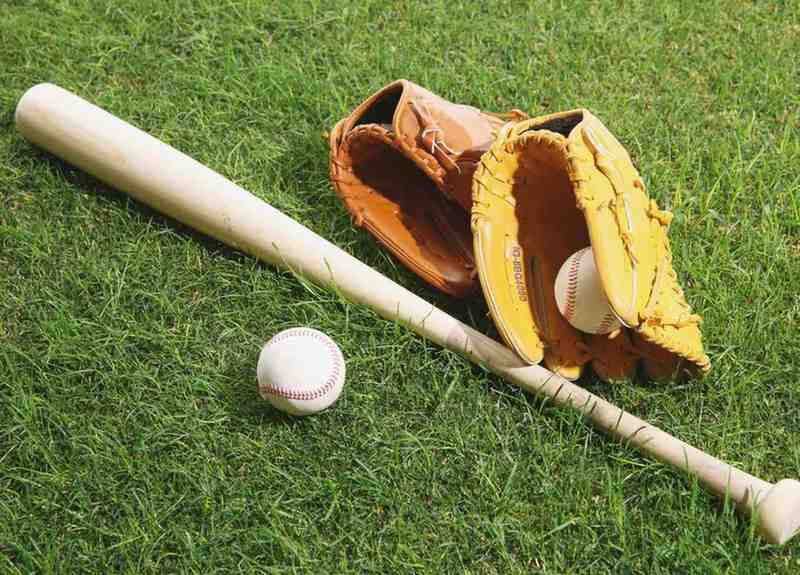
Imagine stepping onto the diamond for the first time—not as a spectator, but as someone who’s about to wield the tools of the game with purpose. Baseball isn’t just a sport; it’s a ritual of precision, patience, and preparation. Yet, for newcomers, the sheer volume of gear can feel overwhelming, like being handed a manual written in a language you’ve never spoken. What’s essential? What’s optional? And what might actually hinder your progress before you’ve even swung a bat? This isn’t just another checklist. It’s a reimagining of baseball’s foundational equipment, designed to strip away the noise and reveal what truly matters for players at every stage of development.
The Bat: More Than Just Wood or Metal
The bat is your first conversation with the game—a dialogue between intention and impact. But not all bats are created equal, and the choice between wood and metal isn’t just about preference; it’s about physics, skill level, and the very nature of your development. Aluminum bats, with their forgiving sweet spots and resonant ping, dominate youth and amateur leagues, offering immediate feedback and reduced sting on mishits. They’re the training wheels of baseball, allowing players to refine mechanics without the punishing consequences of wood’s unforgiving nature.
Wood bats, however, are the crucible of true skill. Maple, ash, or birch—each species carves a different relationship between player and bat. Maple, dense and durable, demands perfect contact; miss the sweet spot, and the sting is a brutal teacher. Ash, lighter and more flexible, rewards a smooth swing but splinters under abuse. Birch splits the difference, offering a forgiving sweet spot with the durability of maple. The unspoken truth? Wood bats don’t just test your skill—they build it. They force you to confront your flaws, to refine your timing, and to earn every hit. For beginners, a composite bat might ease the transition, but the long-term growth lies in embracing the raw, unfiltered feedback of wood.
Gloves: The Unsung Architects of Defense
A glove isn’t just leather and stitching; it’s an extension of your hand, a second skin that transforms raw reflexes into surgical precision. But here’s the paradox: the best glove isn’t the most expensive or the flashiest. It’s the one that fits like a glove—literally. Youth gloves, often oversized to accommodate growth, sacrifice dexterity for longevity. Adult gloves, meanwhile, prioritize pocket depth and break-in time, trading immediate usability for long-term performance. The key? Understanding position-specific needs. Infielders crave shallow pockets for quick transfers, while outfielders benefit from deeper webs to corral fly balls. And then there’s the webbing—closed for pitchers (to hide grip), open for infielders (for lightning-fast ball retrieval).
Break-in is where many players go wrong. A glove shouldn’t be soft from day one; it should be broken in like a fine leather jacket, molded to your hand through repeated use. Skip the microwave or oven trick—real break-in happens on the field, in the dirt, through hundreds of catches. And don’t overlook the wrist adjustments: a snug fit prevents the glove from flopping, while a loose strap can turn a routine play into a comedy of errors. The right glove doesn’t just catch balls—it turns potential disasters into highlights.
Cleats: Traction as a Silent Game-Changer
Cleats are the interface between player and earth, the difference between a stumble and a sprint, a ground ball lost in the dirt and one fielded cleanly. Molded cleats, with their durable rubber or plastic studs, are the workhorses of youth leagues and casual play, offering traction without the maintenance of metal spikes. Metal cleats, however, are the domain of competitive play, digging into the infield like claws and providing explosive acceleration. But here’s the catch: they’re also a liability on artificial turf, where they can catch and twist ankles.
The real secret? Cleat placement. Pitchers benefit from a cleat configuration that emphasizes lateral movement, while middle infielders need multidirectional grip for quick pivots. And don’t underestimate the importance of fit—too loose, and your foot slides inside the shoe; too tight, and circulation cuts short your endurance. The best cleats aren’t just about speed; they’re about stability, about planting your foot and knowing, without a doubt, that it won’t give way when the game demands everything.
Protection: The Armor of Confidence
Baseball’s beauty lies in its simplicity, but that simplicity comes with risks. A stray pitch, a ricocheting line drive, or a collision at first base can turn a game from joy to injury in an instant. Protection isn’t about fear; it’s about empowerment. A batting helmet, with its reinforced shell and face guard, isn’t just a precaution—it’s a declaration that you’re serious about the game. Look for models with extended coverage, especially at the temples, where fastballs often find their mark. And don’t overlook the chin strap; a loose helmet is a ticking time bomb.
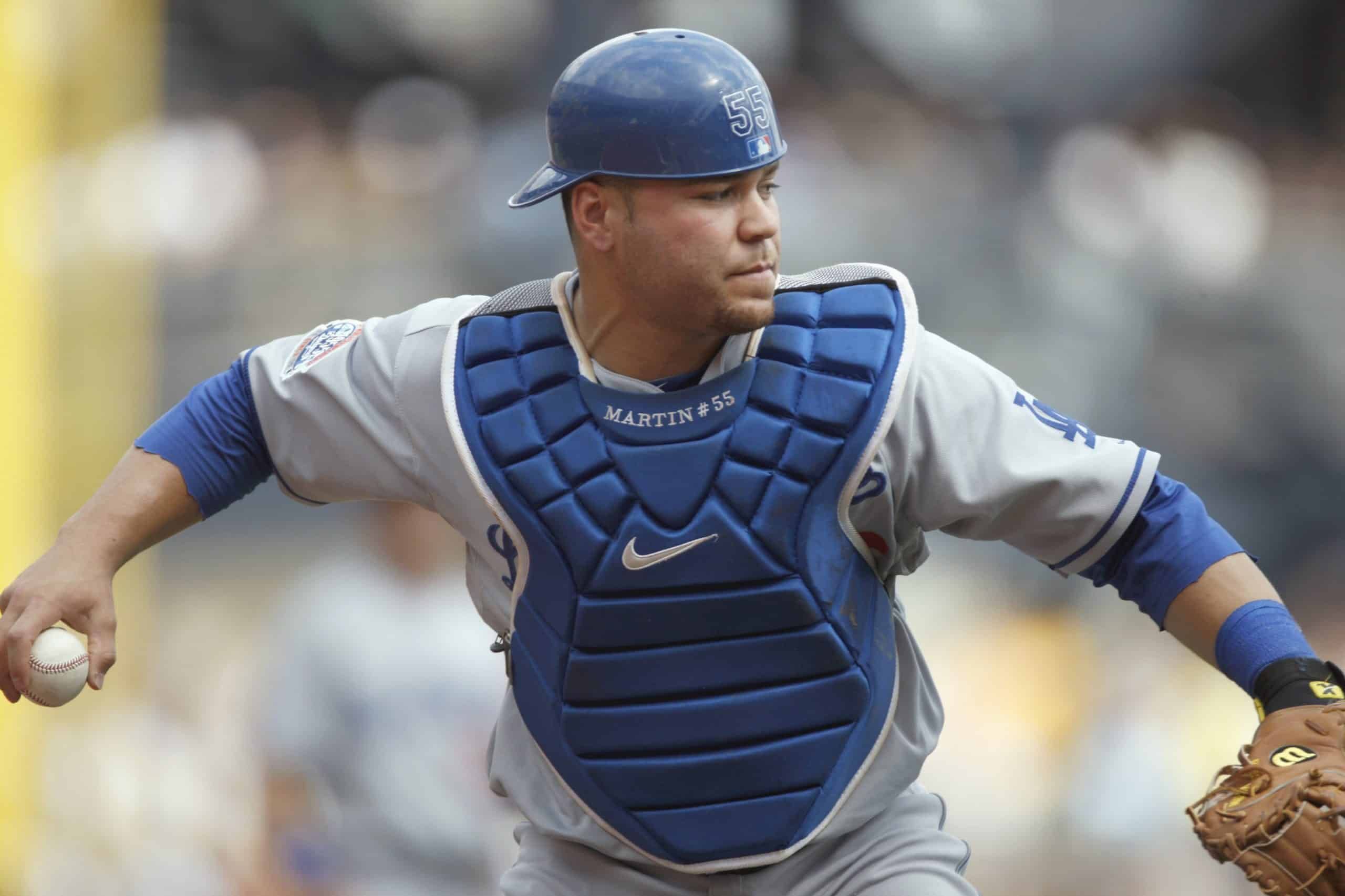
For catchers, the gear isn’t just protection—it’s survival. A chest protector, shin guards, and a mask with a throat guard transform the position from daunting to doable. The key is mobility: gear should move with you, not against you. Too bulky, and you’ll hesitate; too light, and you’ll feel exposed. Modern catcher’s gear balances these extremes, offering lightweight materials without sacrificing safety. And for pitchers? A protective cup isn’t optional—it’s mandatory. The game moves fast, and the last thing you want is to be sidelined by a preventable injury.
Apparel: The Fabric of Focus
Baseball isn’t played in a vacuum. The right apparel can mean the difference between a distracted shuffle and a locked-in performance. Moisture-wicking fabrics pull sweat away from the skin, keeping you cool and dry in the summer’s relentless heat. Compression sleeves aren’t just for show—they stabilize muscles, reduce fatigue, and even improve blood flow. And then there’s the uniform: a crisp, well-fitted jersey isn’t just about team pride; it’s about aerodynamics. Baggy sleeves can snag on the wind, while a tailored fit reduces drag as you round the bases.
Don’t overlook the small details. A belt that digs into your waist during a slide will haunt you by the seventh inning. Socks that slip into your cleats will blister your heels by the third pitch. Even the color of your undershirt matters—light hues reflect heat, while dark shades absorb it. The right apparel isn’t just about comfort; it’s about eliminating distractions, about ensuring that your body, not your clothing, is the only variable in your performance.
Accessories: The Tools of the Trade
Beyond the essentials, a handful of accessories can elevate your game from competent to exceptional. Batting gloves, for instance, aren’t just for grip—they’re for consistency. A textured palm reduces bat slip, while padded fingers absorb sting from mishits. But here’s the twist: some players swear by bare hands, arguing that gloves dull the feel of the bat. The debate rages on, but the truth lies in experimentation. Find what works for you.
Then there’s the humble batting tee—a silent coach that never complains. It’s the great equalizer, allowing players to focus on mechanics without the pressure of a live pitch. And don’t forget the radar gun, the ultimate feedback loop. Whether it’s a pocket-sized device or a high-tech tracker, it turns raw power into measurable progress. Even something as simple as a rosin bag can transform your grip, drying sweat and adding tackiness to your fingers when the game gets slippery.
The final accessory? A notebook. Track your swings, your strengths, your weaknesses. Baseball is a game of patterns, and the best players are the ones who study theirs. Write down what works, what doesn’t, and revisit it after every session. The difference between good and great often comes down to who’s willing to do the unglamorous work.
Mindset: The Invisible Equipment
No guide to baseball gear would be complete without acknowledging the most critical piece of all: the player. Equipment can only take you so far. The real game is played between your ears. Confidence isn’t built by a $300 bat; it’s built by hours in the cage, by facing failure and learning from it. Patience isn’t forged by a high-end glove; it’s forged by ground balls that kick away, by line drives that find gloves instead of gaps. And focus? That’s the one thing no amount of gear can buy.
So before you invest in another piece of equipment, ask yourself: What’s holding me back? Is it the bat? The glove? Or is it the hesitation that creeps in when the pressure mounts? Baseball isn’t just about having the right tools—it’s about mastering the art of using them. And that starts long before you step onto the field.