In the cacophony of a baseball game, where the crack of the bat echoes like a gunshot, one metric stands above the rest as the silent architect of offensive dominance: bat speed. It’s the invisible force that transforms a hitter from a mere participant into a spectacle, the difference between a lazy fly ball and a screaming line drive that pierces the outfield like a comet. But what, exactly, constitutes “good” bat speed in baseball? The answer isn’t as straightforward as a number on a radar gun—it’s a nuanced interplay of biomechanics, genetics, training, and even psychology. To unravel this mystery, we must delve into the science behind the swing, the art of timing, and the relentless pursuit of that elusive sweet spot where power and precision converge.
The Physics of a Swing: Why Bat Speed Dictates Destruction
At its core, bat speed is the velocity at which a batter accelerates the bat through the hitting zone. This isn’t just about raw power; it’s about kinetic energy transfer. The faster the bat moves, the more energy it imparts to the ball upon contact. To put it in stark terms: a swing with higher bat speed can generate up to 20% more exit velocity than a slower one, even if the contact point is identical. This is the principle of energy conservation in action—every fraction of a second saved in the swing’s acceleration phase translates directly into the ball’s trajectory. The bat, in essence, becomes a whip, its tip moving at speeds that can exceed 80 mph in elite hitters, while the hands and barrel lag just behind, creating a delayed but devastating impact.
Yet bat speed isn’t merely about how hard you swing. It’s about efficiency. The most devastating hitters don’t just swing harder—they swing smarter. They optimize their kinetic chain, the sequential transfer of energy from the ground up: legs to hips to torso to arms to bat. A hitch in this chain—whether from poor footwork, a stiff lower half, or an over-reliance on the upper body—can rob a swing of its potential, turning raw speed into wasted motion. The best hitters, like Mike Trout or Aaron Judge, exhibit a fluidity in their mechanics that belies the violence of their swings. Their bat speed is the result of a perfectly orchestrated symphony of muscle and momentum.
Breaking Down the Numbers: What’s “Good” Bat Speed?
So, what constitutes “good” bat speed? The answer varies by level of play, but here’s a general breakdown:
- Youth/High School: 60–70 mph. At this stage, bat speed is often a function of physical development. Young hitters are still refining their mechanics, and their swings may lack the whip-like finish of more experienced players.
- College/Minor Leagues: 70–80 mph. As players mature, their bat speed increases, but consistency becomes the real challenge. The difference between a 75 mph and an 80 mph swing can be the difference between a ground ball and a home run.
- Major Leagues: 75–90+ mph. Elite hitters like Giancarlo Stanton or Yordan Alvarez routinely exceed 85 mph, with Stanton’s peak swings clocking in at over 90 mph. These aren’t just numbers—they’re the result of years of deliberate practice, genetic gifts, and an almost obsessive attention to detail.
But speed alone isn’t enough. The quality of bat speed matters just as much. A hitter with 80 mph bat speed who makes consistent contact is far more valuable than one who swings at 90 mph but whiffs 40% of the time. The sweet spot of bat speed, then, lies at the intersection of velocity and control—a balance that separates the good from the great.
The Hidden Variables: What Really Drives Bat Speed
Bat speed isn’t just a product of strength or swing mechanics. It’s influenced by a constellation of factors, some obvious, others subtle:
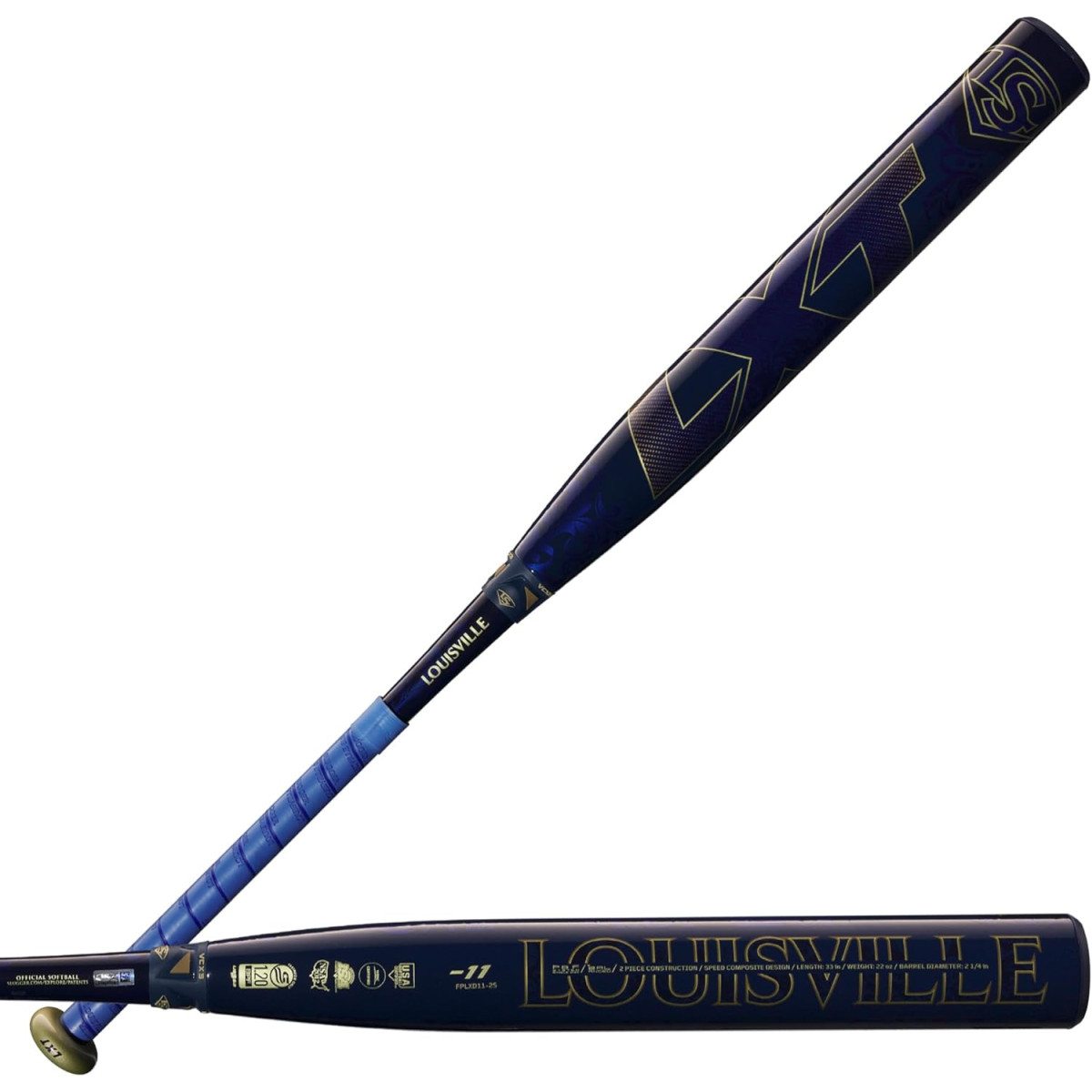
- Lever Length: The longer the bat, the more potential for speed—but also the greater the risk of losing control. A hitter’s bat length should complement their swing path, not hinder it.
- Grip and Hand Position: A death grip on the bat can stifle wrist snap, while a too-loose hold can lead to inconsistency. The ideal grip allows for a whip-like release through the zone.
- Load and Timing: The hitter’s load—the backward shift of weight before the swing—sets the stage for acceleration. A late load can rob the swing of its power, while an early one can make the hitter vulnerable to off-speed pitches.
- Pitch Recognition: Bat speed is useless if the hitter can’t pick up the pitch early. The best hitters don’t just react; they anticipate, their swings already in motion before the ball leaves the pitcher’s hand.
- Mental Approach: Fear of failure can paralyze a hitter, causing them to decelerate the bat mid-swing. Confidence, on the other hand, allows for a free, explosive motion.
Training for Velocity: How to Increase Bat Speed
Improving bat speed isn’t about swinging heavier bats or doing endless reps in the cage. It’s about targeted, intelligent training that addresses the root causes of slow swings. Here’s where to focus:
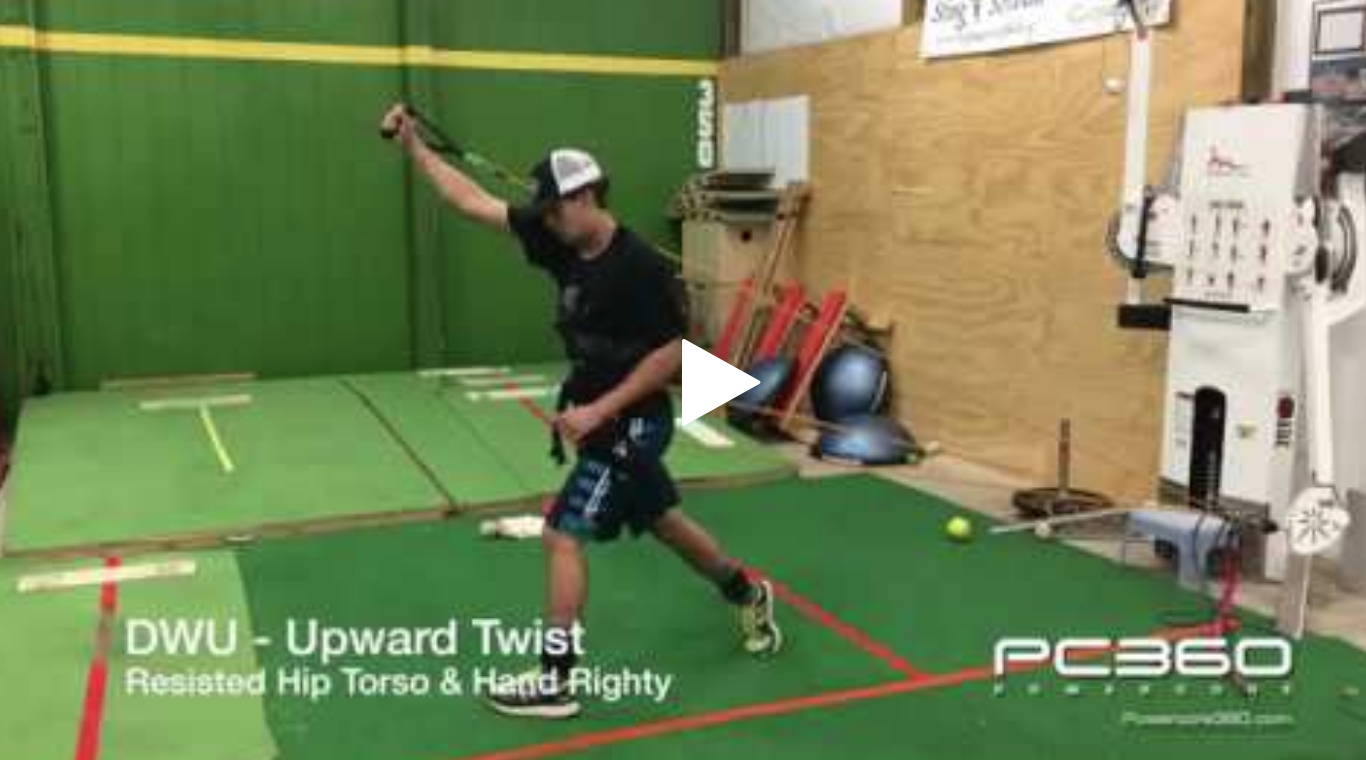
- Rotational Power: Exercises like medicine ball throws, cable rotations, and rotational jumps build the core and hip strength necessary for a powerful swing.
- Bat Speed Drills: Contrast training—swinging a light bat followed by a heavy one—can train the nervous system to fire faster. Weighted bat swings, when used judiciously, can also enhance muscle recruitment.
- Mobility Work: Tight hips or a stiff thoracic spine can limit a hitter’s ability to generate torque. Dynamic stretching and yoga can unlock hidden speed.
- Technology: High-speed cameras and bat sensors (like Blast Motion or SwingTracker) provide real-time feedback, allowing hitters to identify inefficiencies in their mechanics.
- Game-Like Reps: Batting practice should simulate game conditions—varying pitch types, locations, and counts to train adaptability.
But here’s the catch: bat speed can’t be forced. It’s a byproduct of efficiency, not brute force. A hitter who tries to muscle the ball will often see their speed plateau. The key is to let the body do the work, trusting the kinetic chain to do its job.
The Psychological Edge: Why Bat Speed Fascinates Us
There’s something primal about watching a hitter unleash a swing that generates 90+ mph bat speed. It’s a display of raw athleticism, a moment where human reflexes and mechanical precision collide. But our fascination with bat speed goes deeper than admiration for power. It’s a metaphor for human potential—the idea that with the right combination of training, genetics, and mindset, we can push the limits of what’s possible.
In a sport where failure is inevitable, bat speed offers a glimmer of control. It’s a tangible metric, a way to quantify progress in a game where outcomes are often out of a hitter’s hands. And yet, for all its importance, bat speed remains an enigma. Even the best hitters can’t explain exactly how they do it—they just know when it feels right.
Perhaps that’s why we’re so obsessed with it. Bat speed isn’t just about hitting the ball harder; it’s about the pursuit of perfection, the relentless chase for that one swing where everything clicks. It’s the baseball equivalent of a musician hitting the perfect note or an artist creating a masterpiece. In that moment, bat speed transcends numbers. It becomes art.