In the intricate ballet of baseball, where split-second decisions dictate the flow of play, few commands resonate as universally as “Call the ball.” This seemingly simple directive is a cornerstone of defensive coordination, a lifeline in chaotic infield scenarios, and a testament to a team’s ability to communicate under pressure. Whether you’re a rookie grappling with the basics or a seasoned infielder refining your instincts, understanding the nuances of “calling the ball” can elevate your game from reactive to proactive. This guide dissects the phrase’s multifaceted role, exploring its tactical implications, psychological dimensions, and the art of execution that separates good teams from great ones.
The Lexicon of the Diamond: Decoding “Call the Ball”
“Call the ball” is more than a shout—it’s a tactical declaration, a collision of intent and urgency. In its essence, it’s the act of a fielder asserting priority over a batted ball, preempting collisions, and ensuring seamless defensive transitions. The phrase itself is a fusion of baseball’s lexicon, where every word carries weight. When an infielder shouts this command, they’re not merely requesting the ball; they’re staking a claim, a silent negotiation in the cacophony of a live game. The caller must balance assertiveness with clarity, ensuring teammates recognize the urgency without misinterpreting the intent. This dynamic is particularly critical in scenarios where multiple fielders converge on a single play, such as shallow fly balls or hard-hit grounders near the foul lines.
Psychological Warfare on the Infield: The Caller’s Mindset
The psychology behind “calling the ball” is as layered as the infield dirt itself. A well-timed call can instill confidence in the caller while sowing doubt in the batter’s mind. Conversely, a hesitant or delayed call can create a vacuum of uncertainty, where fielders freeze or overcommit. The ideal caller embodies a paradox: they must be both a leader and a listener, commanding authority while remaining attuned to their teammates’ positioning. This mental agility is honed through repetition—drills that simulate high-pressure scenarios where split-second decisions determine outcomes. Players who master this psychological duel often find themselves as the linchpins of their defensive units, their calls acting as a metronome for the team’s rhythm.
Types of Calls: From Routine to Riveting
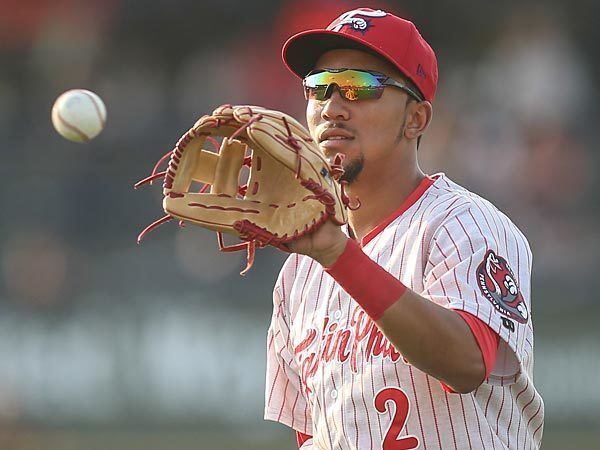
Not all “call the ball” commands are created equal. The infield’s vocabulary of calls spans a spectrum, from the mundane to the extraordinary. A routine grounder to the shortstop might elicit a simple, “I got it,” while a screaming line drive up the middle demands a more urgent, “Mine!” The distinction lies in the ball’s trajectory, the fielder’s proximity, and the potential for chaos. In the heat of the moment, fielders must also account for environmental factors—glare from the sun, the hum of the crowd, or the slickness of the infield after a rain delay. Each call is a tailored response, a bespoke solution to an ever-shifting puzzle. Teams that develop a shared lexicon of calls—whether through verbal cues, hand signals, or even eye contact—gain a competitive edge, transforming chaos into choreography.
Collision Avoidance: The Art of the Preemptive Call
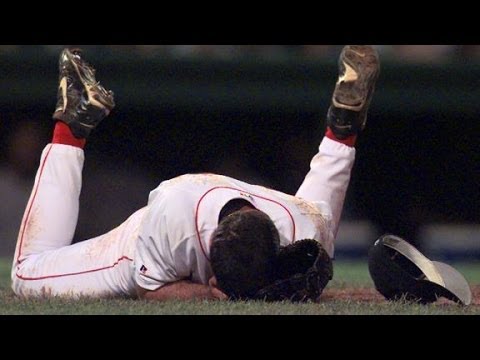
Baseball’s infield is a minefield of potential collisions, where the difference between a completed play and a trip to the disabled list often hinges on a single word. The preemptive call is the fielder’s first line of defense against disaster. By shouting “Call the ball” before the play unfolds, they signal their intent to take charge, allowing teammates to adjust their routes or even abort their pursuit. This proactive approach is especially vital in double-play scenarios, where the second baseman and shortstop must synchronize their movements with surgical precision. A well-executed preemptive call can prevent the infamous “collision at second,” preserving both the play and the players’ well-being. Conversely, a missed or delayed call can turn a routine grounder into a highlight reel of near-misses and bruised egos.
Communication Under Fire: Non-Verbal Cues and Team Synergy
While “call the ball” is inherently a verbal command, its effectiveness often relies on the unspoken. Non-verbal cues—such as a fielder’s body language, glove positioning, or even a subtle shift in stance—can reinforce or contradict the spoken word. Teams that cultivate a culture of silent communication, where fielders anticipate each other’s intentions, elevate their defensive play to an almost telepathic level. This synergy is forged in practice, through drills that emphasize trust and repetition. For instance, a third baseman who consistently calls for a ball might develop a reputation for reliability, allowing their teammates to defer to their judgment without hesitation. In high-stakes moments, this unspoken understanding can be the difference between a game-saving out and a costly error.
The Ripple Effect: How a Single Call Shapes the Game
The impact of a “call the ball” extends far beyond the immediate play. A well-timed call can demoralize the opposing team, disrupting their offensive rhythm and forcing them into suboptimal decisions. Conversely, a miscommunication can swing momentum in an instant, turning a routine out into a multi-base rally. The ripple effect of these calls is felt in the dugout, where coaches scramble to adjust their strategies, and in the stands, where fans react to the unfolding drama. Players who recognize the broader implications of their calls often approach the task with a heightened sense of responsibility, knowing that their voice is a weapon as much as their glove.
Drills to Master the Art of the Call
Mastery of “call the ball” is not innate—it’s cultivated through deliberate practice. Teams employ a variety of drills to sharpen their fielders’ instincts, from the classic “fungo drill,” where coaches hit grounders to simulate real-game scenarios, to more advanced exercises that incorporate live batting practice. One effective method is the “silent drill,” where fielders communicate exclusively through hand signals or eye contact, forcing them to rely on non-verbal cues. Another is the “chaos drill,” where multiple fielders converge on a single ball, testing their ability to assert dominance and avoid collisions. These drills are not just about refining technique; they’re about building the muscle memory and mental toughness required to thrive under pressure.
From Little League to the Majors: Scaling the Concept
The principles of “call the ball” are universal, but their application evolves with the level of play. In youth leagues, the focus is on teaching the basics—when to call, how to call, and why it matters. As players progress to high school and college, the calls become more nuanced, incorporating situational awareness and advanced defensive strategies. In the major leagues, where the stakes are highest, the calls are a symphony of precision, with fielders often making split-second decisions based on years of experience and instinct. The journey from Little League to the majors is a testament to the power of repetition, where each “call the ball” becomes a building block in a player’s defensive repertoire.
The Unseen Hero: Celebrating the Caller
In the spotlight of baseball, the glamour often falls to the sluggers and the aces, but the true unsung heroes are the fielders who master the art of the call. These players are the conductors of the infield, their voices the metronome that keeps the defense in sync. Their contributions are measured not in home runs or strikeouts, but in the quiet moments where a single word prevents disaster. Whether it’s a veteran shortstop guiding a rookie through a high-pressure inning or a utility infielder stepping up in a critical moment, the caller’s role is a blend of leadership, instinct, and sheer grit. To celebrate the caller is to acknowledge the backbone of any great defensive team.