What if baseball’s most thrilling underdog stories weren’t confined to the shadows of Major League Baseball’s colossal stadiums? What if the crack of the bat and the roar of the crowd could be found in smaller towns, where the game is played not for billion-dollar contracts, but for the sheer love of the sport? Welcome to the Frontier League, where independent professional baseball thrives beyond the glare of the MLB spotlight—a league that dares to redefine what it means to be a ballplayer in the modern era.
The Frontier League: Baseball’s Unfiltered Rebellion
The Frontier League isn’t just another minor league—it’s a defiant celebration of baseball’s raw, unpolished soul. Founded in 1993, this independent circuit carved its niche by offering a stage for players who’ve been overlooked, undrafted, or simply yearning for a chance to play without the pressure of climbing MLB’s notoriously steep ladder. Unlike affiliated minor leagues, which serve as MLB’s farm systems, the Frontier League operates with autonomy, free from the constraints of parent organizations. This independence breeds creativity, fosters local pride, and allows teams to forge their own identities—whether that means quirky mascots, community-driven promotions, or a relentless focus on fan engagement.
Imagine a league where a 22-year-old pitcher with a 95-mph fastball can toe the rubber without worrying about service time or roster shuffles. Where a 30-year-old veteran, once a top prospect, can rediscover his swing in a ballpark where the hot dogs are hand-carved and the beer is poured by volunteers. The Frontier League is baseball’s answer to the indie music scene—a place where authenticity trumps spectacle, and every game feels like a homecoming.
How the Frontier League Carves Its Own Path
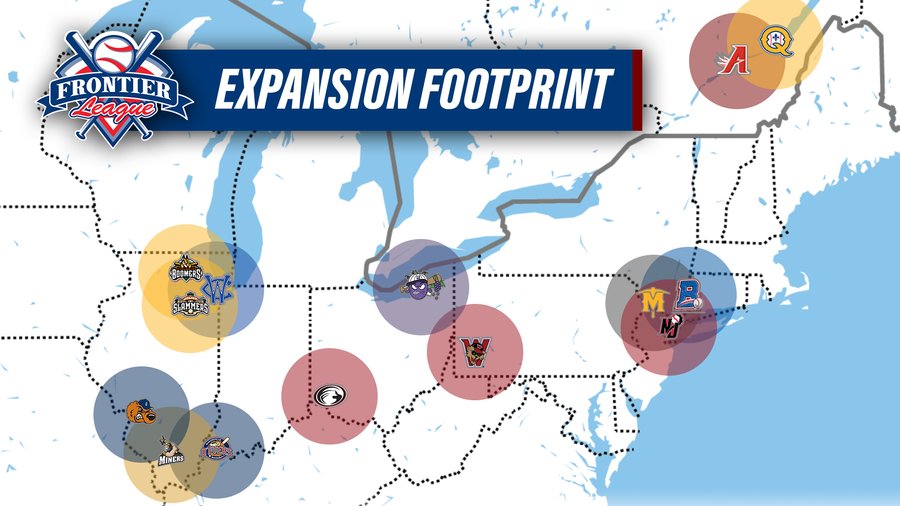
Operating primarily in the Midwest and Northeast, the Frontier League stretches from New York to Missouri, with teams nestled in cities where baseball isn’t just a pastime—it’s a tradition. The league’s structure is refreshingly straightforward: no affiliations, no territorial disputes, just pure competition. Teams play a 100-game schedule, with the top squads advancing to a best-of-five championship series. But the real magic lies in the details. Rosters are fluid, with players cycling in and out based on performance, injuries, or even personal milestones. Some athletes use the league as a proving ground before signing minor-league deals; others treat it as a final chapter in their professional careers, playing for the love of the game.
What sets the Frontier League apart isn’t just its independence—it’s its adaptability. In an era where minor-league baseball is often criticized for its transient nature, the Frontier League has doubled down on stability. Many of its teams have called the same cities home for decades, building loyal fanbases through grassroots marketing and community events. The league also embraces innovation, from experimental pitch clocks to themed ticket packages that turn games into social experiences. It’s baseball, but not as you’ve been conditioned to expect it.
The Players: From Underdogs to Unforgettable
Every Frontier League roster is a mosaic of baseball’s forgotten and its fearless. Take, for instance, the journeyman outfielder who’s bounced between independent leagues for seven seasons, refining his craft in front of crowds of 1,500 instead of 40,000. Or the former college standout who went undrafted but found redemption in a league where opportunity isn’t tied to a scout’s stopwatch. These players aren’t just filling roster spots—they’re writing their own narratives, one at-bat at a time.
The league’s player development model is a masterclass in resilience. Without the safety net of a major-league affiliate, Frontier League athletes must rely on their own grit. Coaches emphasize fundamentals, mental toughness, and adaptability. A pitcher might throw 120 pitches in a game one night, then start a doubleheader the next afternoon. A position player could shift from shortstop to third base mid-season to fill a need. This isn’t baseball’s minor leagues—it’s baseball’s boot camp, where the weak are winnowed out, and the strong emerge battle-hardened.
And then there are the veterans—the graybeards of the diamond who’ve seen it all. A 38-year-old catcher, once a top prospect, might be mentoring a 20-year-old who’s just learning the nuances of calling a game. The exchange isn’t just about baseball; it’s about legacy. The Frontier League is where careers are extended, reputations are rebuilt, and legends are quietly forged in the quiet hum of a county stadium’s PA system.
The Fan Experience: Baseball’s Last True Local Hangout
In an age of algorithm-driven entertainment, the Frontier League offers something radical: a connection to the game that feels personal. These aren’t cookie-cutter stadiums with corporate suites and $20 nachos. They’re intimate ballparks where the outfield fence might be 320 feet away or where the third-base line is so close you can hear the umpire’s calls without a microphone. Fans don’t just watch games—they live them. They tailgate in parking lots, swap stories with players after the final out, and leave with autographed baseballs instead of plastic trinkets.
The league’s teams lean into this authenticity. The Schaumburg Boomers in Illinois host “Bark in the Park” nights where fans bring their dogs. The Evansville Otters in Indiana feature a “Kids Run the Bases” promotion where children circle the diamond after the game. The Washington Wild Things, a recent expansion team, have turned their stadium into a community hub, hosting charity events and local business showcases. This isn’t just baseball—it’s a cultural touchstone.
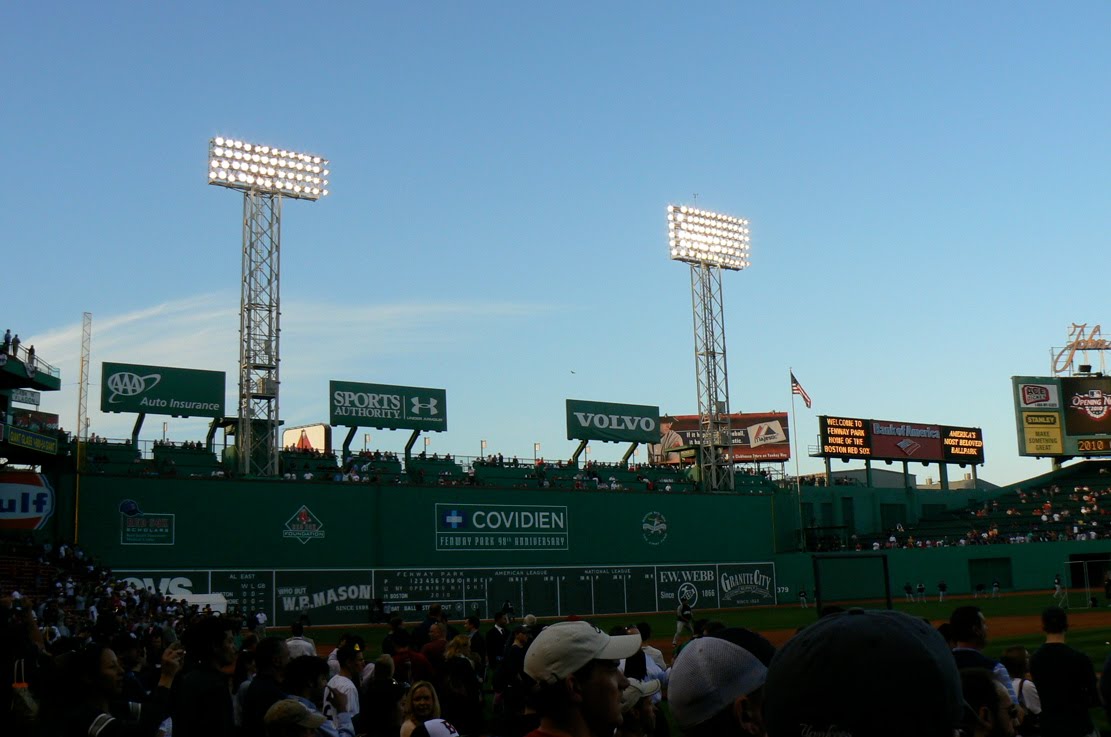
For many fans, the Frontier League is a throwback to a simpler time, when baseball was about neighborhood heroes and not national headlines. It’s a reminder that the game’s magic isn’t confined to the bright lights of Fenway or Wrigley. Sometimes, it’s found in the flicker of a scoreboard in a town where the population barely cracks 20,000.
The Challenges: Can the Frontier League Sustain Its Momentum?
Yet for all its charm, the Frontier League faces a gauntlet of challenges that threaten to test its resilience. The most pressing? Money—or rather, the lack of it. Independent leagues operate on shoestring budgets, relying on ticket sales, sponsorships, and local partnerships to survive. A single bad season can spell financial ruin for a team, leaving cities without their beloved ballclub. The COVID-19 pandemic exposed these vulnerabilities, forcing several teams to suspend operations temporarily. Rebuilding fan trust and corporate investment in a post-pandemic world isn’t easy.
Then there’s the specter of competition. The Atlantic League, another independent circuit, has gained traction by partnering with MLB to test experimental rules. The Pioneer League, once a staple of the minors, has rebranded as a “partner league” to MLB, blurring the lines between independence and affiliation. The Frontier League must navigate this shifting landscape, balancing tradition with innovation to stay relevant. Can it afford to experiment with automated balls and strikes, or will it double down on its grassroots appeal?
And let’s not forget the player drain. While the league is a haven for undrafted talent, it’s also a revolving door. Top performers often sign minor-league contracts with MLB organizations, leaving teams scrambling to fill gaps. The Frontier League’s answer? Cultivate homegrown talent. More teams are investing in academies and scouting networks to develop players who might otherwise slip through the cracks. It’s a long-term play, but one that could redefine the league’s identity.
The Future: Where Does the Frontier League Go From Here?
The Frontier League’s story is far from over. If it plays its cards right, it could become a blueprint for independent baseball’s next evolution. Expansion is on the horizon, with new markets clamoring for a taste of the league’s brand of unfiltered baseball. The addition of teams like the Washington Wild Things signals a strategic push into underserved regions, where the demand for affordable, family-friendly entertainment is insatiable.
Technology could also be a game-changer. Imagine augmented-reality apps that let fans track pitch velocities in real time or virtual meet-and-greets with players. Social media has already given the league a platform to showcase its unique culture, from viral dugout celebrations to behind-the-scenes footage of life on the road. The Frontier League isn’t just a league—it’s a movement, and movements thrive on visibility.
But perhaps the most exciting prospect is the league’s potential to redefine what it means to be a professional athlete. In an era where player salaries are scrutinized and work conditions are debated, the Frontier League offers an alternative: a place where baseball is a calling, not just a career. It’s a league where the 18th-round draft pick can become a local legend, where the 35-year-old journeyman can still chase a dream, and where the crack of the bat echoes louder than the noise of the outside world.
The question isn’t whether the Frontier League will survive—it’s whether it can thrive. And if history is any indication, it just might. After all, in baseball, as in life, the underdogs have a way of writing the most unforgettable stories.