Imagine slipping on a baseball cap, only to realize too late that the stitching tells a tale of deception. The difference between an authentic MLB cap and a counterfeit one often lies in the tiniest details—stitching being the most telling. What does the stitching on your cap reveal about its origins? The answer might surprise you.
The Art of Stitching: A Subtle Signature of Authenticity
Authentic MLB caps are crafted with precision, where stitching isn’t just functional but a signature of quality. The thread used in genuine hats is often a high-tension, tightly woven polyester or cotton blend, designed to withstand years of wear without fraying or unraveling. Counterfeit caps, on the other hand, frequently employ cheaper, loosely spun threads that may appear frayed or uneven under close inspection. The stitches themselves should be uniformly spaced, with no loose ends or skipped stitches—a hallmark of mass-produced fakes.
But stitching isn’t just about durability; it’s about consistency. Authentic MLB caps maintain a uniform stitch pattern across the entire cap, including the curved brim and the structured crown. Fakes often betray their origins with inconsistent stitch lengths, crooked lines, or even misaligned patterns. The devil, as they say, is in the details—and in this case, the stitching is the telltale clue.
Logo Placement: Where Stitching Meets Brand Identity
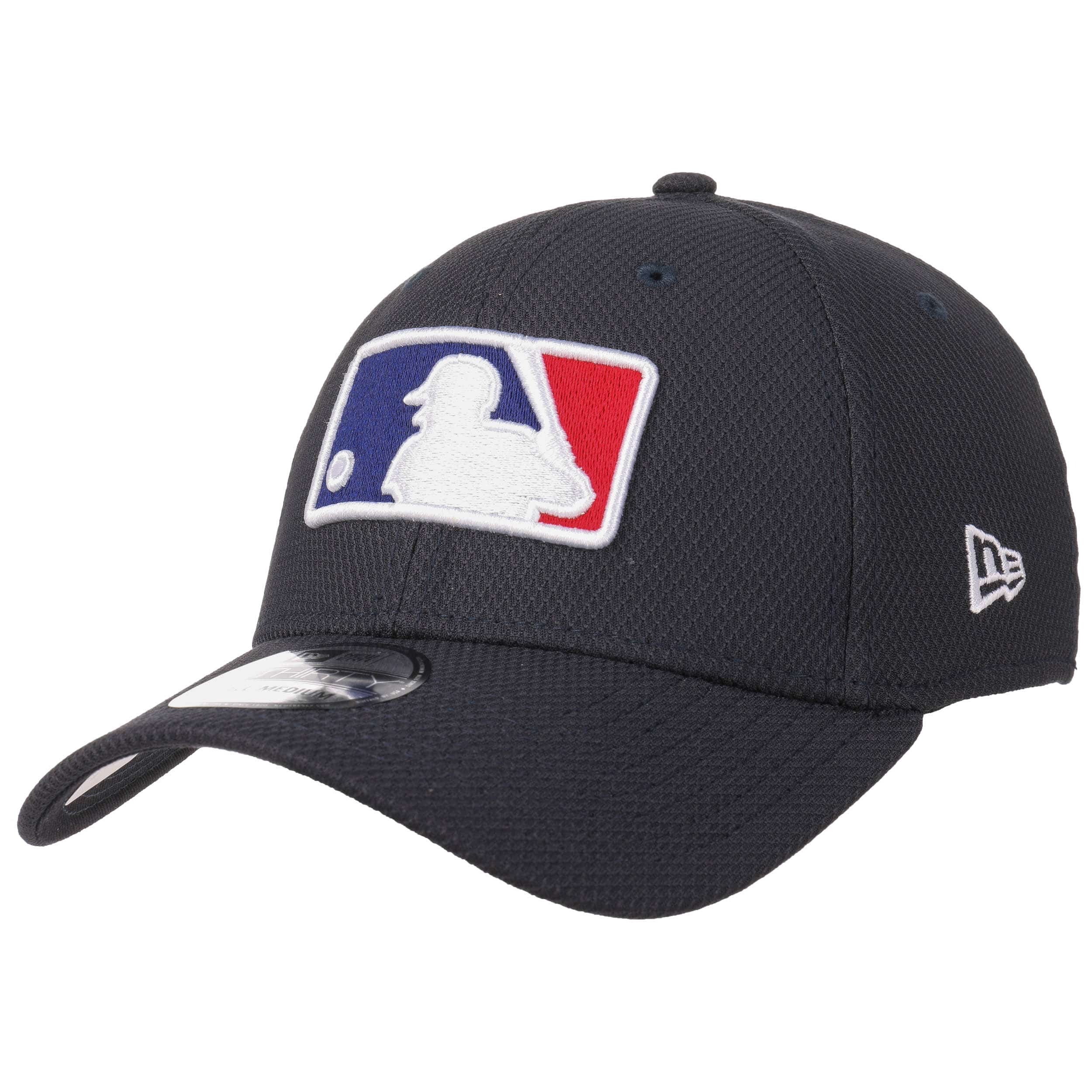
The placement and execution of the MLB logo stitching can reveal volumes about a cap’s authenticity. On an authentic cap, the embroidered logo is centered, symmetrical, and stitched with a high-density thread that doesn’t pucker or distort the fabric. The stitch count—how many threads are used per inch—is another giveaway. Genuine caps typically use a higher stitch count, resulting in a smoother, more refined appearance.
Counterfeit caps often struggle with logo placement. The stitching may be off-center, the threads may be too thick or too thin, or the logo itself may appear pixelated or blurry. Some fakes even use printed logos instead of embroidery, a dead giveaway for those who know where to look. The stitching around the logo should also be tight and even, with no gaps or loose threads—a common flaw in knockoffs.
The Brim’s Hidden Story: Stitching Under the Microscope
While most buyers focus on the front of the cap, the underside of the brim holds its own secrets. Authentic MLB caps feature a clean, neatly stitched brim with no loose threads or uneven edges. The stitching here is often reinforced with a double-stitch or a hidden tack stitch, ensuring the brim maintains its shape over time. Fakes, however, may have sloppy, single-stitch brims that unravel with minimal stress.
Another detail to scrutinize is the stitching around the button at the top of the cap. Authentic caps use a small, tight circle of stitching to secure the button, while counterfeits often employ a loose, uneven stitch that may even pull away from the fabric. The button itself should be sturdy and well-attached, not wobbly or prone to detachment—a common issue in poorly made fakes.
Color Consistency: A Thread of Deception
The color of the stitching can also be a dead giveaway. Authentic MLB caps use thread colors that match the cap’s fabric precisely, with no fading or bleeding. Counterfeit caps often feature thread that is slightly off in hue, either too bright, too dull, or mismatched entirely. This inconsistency is especially noticeable in caps with multiple colors, where the stitching may clash with the fabric.
Additionally, the thread’s sheen can reveal a cap’s authenticity. Genuine caps use thread with a consistent, subtle sheen that doesn’t reflect light in an unnatural way. Fakes may use thread that is overly glossy or dull, betraying their low-quality origins. The thread’s texture should also be smooth and even, without any bumps or irregularities that suggest poor manufacturing.
The Challenge of Spotting Fakes: A Test of Patience and Perception
Spotting a fake MLB cap isn’t always straightforward. Some counterfeiters have become adept at replicating the look of authentic stitching, making it a challenge even for seasoned collectors. The key lies in examining multiple details—thread tension, stitch consistency, logo placement, and color harmony—rather than relying on a single clue.
One way to test a cap’s authenticity is to run your fingers over the stitching. Authentic stitching should feel smooth and even, with no rough edges or loose threads. Fakes may have a slightly raised or uneven texture, a subtle clue that something isn’t quite right. Another test is to tug gently on the stitching; authentic thread should hold firm, while counterfeit thread may fray or pull away.
The challenge of spotting fakes is part of the fun for collectors and enthusiasts. It’s a game of cat and mouse, where the smallest details can make all the difference. But for those who know what to look for, the stitching on an MLB cap can tell a story—one of authenticity, craftsmanship, and the relentless pursuit of quality.
Beyond the Stitching: Other Clues to Authenticity
While stitching is a critical factor, it’s not the only one. The fabric, the snapback closure, the interior tag, and even the packaging can all provide clues about a cap’s origins. Authentic MLB caps use high-quality materials, from the structured crown to the moisture-wicking sweatband. Fakes often cut corners, using flimsy fabrics or poorly constructed interiors that betray their low-cost origins.
The snapback closure is another area to scrutinize. Authentic caps feature a sturdy, well-made closure with a smooth mechanism, while fakes may have a flimsy or misaligned snap. The interior tag should also be a point of focus—authentic tags are often embroidered or printed with precision, while fakes may have blurry or poorly aligned text.
Ultimately, the stitching is just one piece of the puzzle. But for those who take the time to examine it closely, it can reveal a cap’s true story—whether it’s a badge of authenticity or a red flag waving in the wind.