What if you could turn your fantasy baseball roster into a high-stakes chessboard, where every move either secures a future champion or dooms you to the cellar of your league? The art of “buy low, sell high” isn’t just a stock market mantra—it’s the lifeblood of fantasy baseball strategy, a delicate dance between patience and audacity. As the 2025 season looms, the question isn’t whether to pull the trigger on a blockbuster trade, but when to do it—and on whom. The challenge? Separating the fleeting slump from the irreversible decline, the unlucky bounce from the ominous trend. Let’s navigate this labyrinth with precision, turning uncertainty into opportunity.
The Psychology of the Buy Low: Why We Overreact (And How to Stop)
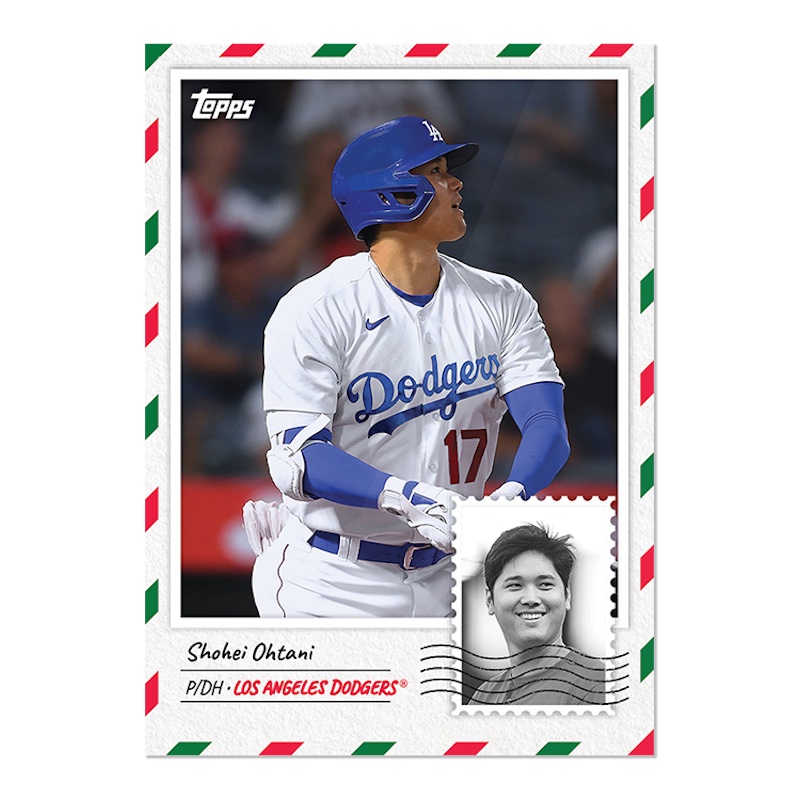
Human nature is wired to chase the shiny and discard the dull, a flaw that fantasy baseball managers exploit with ruthless efficiency. When a star player like Aaron Judge or Shohei Ohtani stumbles through a rough patch—whether due to a nagging injury, a brutal stretch of bad luck, or a mechanical overhaul—panic sets in. Owners, desperate to stem the bleeding, slash prices like bargain hunters on Black Friday. But here’s the paradox: the best time to buy isn’t when the market is crashing, but when the noise drowns out the signal. A .220 batting average over 20 games? That’s a blip. A .220 average over 100 games? That’s a crisis.
To master the buy low, you must first master the art of selective amnesia. Forget the last month. Forget the last week. Dig into the underlying metrics: Is the player’s exit velocity plummeting, or is it a statistical mirage? Are their batted-ball profiles shifting toward the unsustainable, or is it a temporary blip? Tools like Statcast’s xwOBA (expected weighted on-base average) and xERA (expected earned run average) are your crystal ball, revealing whether a slump is a storm or a hurricane. The savviest managers don’t just buy low on talent—they buy low on process, targeting players whose peripherals scream “regression to the mean” is imminent.
The Sell High Dilemma: When to Cash Out Before the Crash
Selling high is the fantasy equivalent of selling a stock at its peak—gloriously satisfying in hindsight, agonizing in the moment. The trap? Confusing a hot streak for a new normal. A player like Yordan Alvarez might be mashing 10 homers in a 15-game span, but if his walk rate is cratering and his strikeout rate is ballooning, the party won’t last. The key is to identify the inflection points—moments when a player’s production is propped up by unsustainable luck. A .400 BABIP (batting average on balls in play) is a red flag, not a badge of honor. A pitcher with a 2.50 ERA but a 4.50 FIP (fielding independent pitching) is a ticking time bomb.
Timing is everything. The ideal sell high happens when the market is frothy, not when the panic sets in. If a player’s ADP (average draft position) has surged 50 spots in two weeks, it’s time to ask: Is this a career year, or a mirage? The best sellers don’t wait for the crash—they create it, flooding the market with a player whose value is artificially inflated by a handful of viral performances. The trick? Selling before the narrative hardens. Once the talking heads start calling a player the “savior of your lineup,” it’s too late.
Targeting the Right Players: The Undervalued Gems and Overvalued Liabilities
Not all buy low candidates are created equal. The most lucrative targets are the recoverable ones—players whose struggles are rooted in fixable issues rather than systemic decline. Take a pitcher like Hunter Greene, whose velocity dipped mid-season last year. Was it fatigue? Mechanics? A dead arm? If the root cause is addressable, the buy low window opens wide. Conversely, a player like Joey Gallo, whose strikeout rate has hovered around 40% for years, isn’t a buy low—he’s a sell high waiting to happen.
The same logic applies to hitters. A player like Oneil Cruz, whose power is undeniable but whose contact issues are glaring, might be a prime sell high candidate if his ADP is ballooning on the back of a few tape-measure blasts. On the flip side, a contact-heavy hitter like Luis Arraez, whose batting average is propped up by an unsustainable BABIP, could be a buy low if his plate discipline remains elite. The goal isn’t to chase upside—it’s to chase edge, the players whose underlying skills suggest their current production is a deviation, not a destination.
The Trade Market: Where Leverage Meets Lunacy
The fantasy trade market is a bazaar of emotions, where managers oscillate between greed and despair in the span of a single day. The savviest traders exploit this volatility by creating leverage. If a rival owner is desperate to shore up their pitching staff, dangle a mid-tier starter with upside—like a Cristian Javier in his prime—and watch their desperation inflate the return. Conversely, if a contender is hoarding closers like a dragon on a gold hoard, exploit their fear of collapse by offering a fading but still serviceable reliever for a premium asset.
The art of the trade isn’t just about swapping players—it’s about swapping narratives. A manager might overvalue a player because of a recent hot streak, while undervaluing another due to a prolonged slump. Your job is to be the arbiter of reality, the voice of reason in a room full of hype. The best trades happen when you can convince an owner that their “can’t-miss prospect” is a high-risk gamble, while simultaneously selling them on a “busted” player whose peripherals suggest a renaissance is nigh.
The Late-Season Gauntlet: When to Go All-In or Fold ‘Em
As the fantasy baseball season hurtles toward its climax, the buy low/sell high calculus shifts from a strategic game to a high-stakes gamble. The waiver wire is a graveyard of injured players, and the trade market is a minefield of owners who’d rather burn their roster than admit defeat. This is where the true masters separate themselves from the also-rans. Do you roll the dice on a slumping ace like Gerrit Cole, betting on a late-season resurgence, or do you pivot to a high-upside reliever like Emmanuel Clase, whose saves are the lifeblood of your playoff push?
The key is to prioritize scarcity
The key is to prioritize scarcity. In the final weeks of the season, saves and stolen bases become the currency of chaos. A player like Adolis García, whose power-speed combo is rare, might be a buy low candidate if his ADP is sagging due to a mid-season slump. Conversely, a player like Pete Alonso, whose power numbers are elite but whose RBI opportunities are drying up, could be a sell high if his counting stats are about to take a nosedive. The late-season market rewards those who can spot the positional run before it becomes a flood.
The Mental Game: Staying Ahead of the Curve
Fantasy baseball isn’t just a game of numbers—it’s a game of psychology. The best managers aren’t just analysts; they’re storytellers, crafting narratives that shape the market. They know when to whisper doubt into the ears of their rivals, when to stoke the flames of hope, and when to let the panic set in. The buy low/sell high strategy isn’t just about making moves—it’s about controlling the narrative.
It’s also about resilience. The fantasy baseball season is a rollercoaster of emotions, where one week you’re a genius and the next you’re the architect of your own demise. The managers who thrive are the ones who can stomach the volatility, who can look at a .180 average and see a .280 average waiting to happen. They’re the ones who can sell high on a player whose ADP has peaked, not because they’re clairvoyant, but because they trust the process.
So as the 2025 season approaches, ask yourself: Are you a hunter or the hunted? Will you be the one pulling the trigger on the blockbuster trade, or will you be the one watching your roster crumble under the weight of your own inaction? The chessboard is set. The pieces are in motion. The only question left is: What’s your next move?