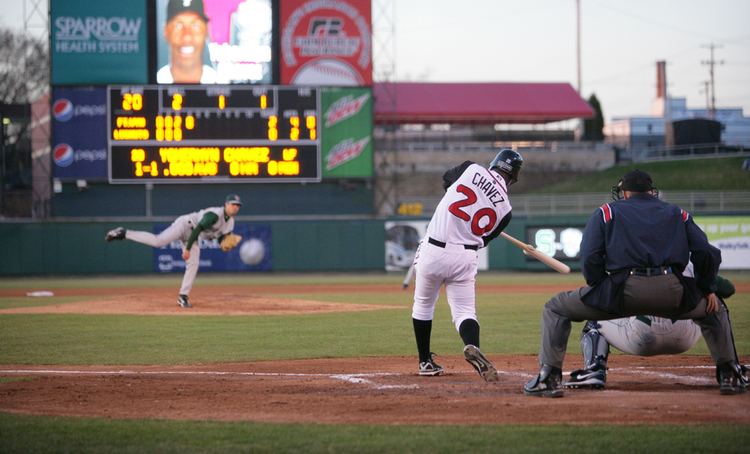
Ever stood on the sidelines of a baseball game, watching the players dart across the diamond like fireflies in a summer dusk, and wondered: What on earth are they all doing out there? The baseball diamond isn’t just a patch of dirt and grass—it’s a stage where nine players perform a symphony of strategy, reflexes, and split-second decisions. But for a beginner, the positions can feel like a maze of letters and numbers, each with its own quirks and responsibilities. Fear not. This guide will walk you through every inch of the diamond, from the pitcher’s mound to the outfield fence, so you can step onto the field—or at least watch the game—with confidence.
The Pitcher’s Mound: Where the Magic (and the Pressure) Begin
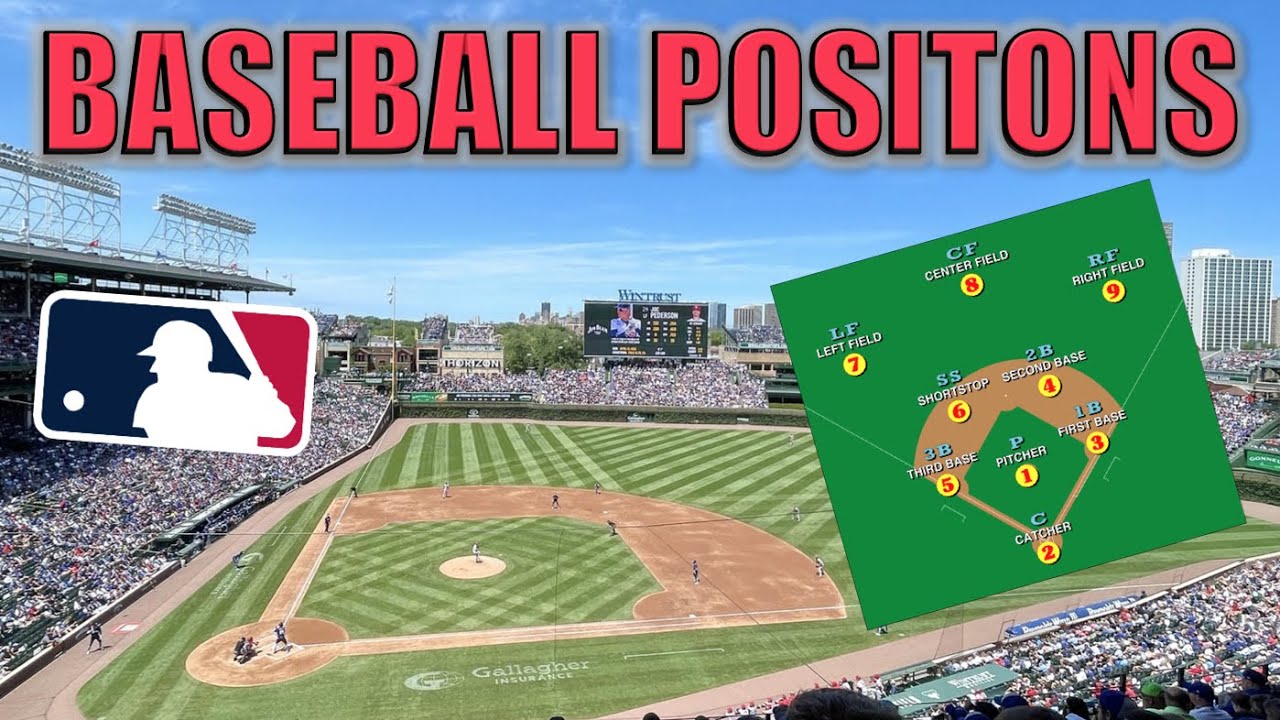
The pitcher stands at the heart of the action, a lone figure on a raised dirt island surrounded by the cacophony of the crowd. This is the most scrutinized position in baseball, where a single pitch can make or break a game. The pitcher’s job is to outwit the batter, using a mix of speed, movement, and deception. Fastballs, curveballs, sliders—each pitch is a carefully crafted lie, designed to send the batter swinging at thin air. But it’s not just about throwing hard. A great pitcher reads the batter’s stance, adjusts their grip, and times their delivery to perfection. The pressure is immense, but so is the reward: a strikeout that silences the dugout and sends fans into a frenzy.
The Catcher: The Quarterback Behind the Plate
Crouched behind the batter, the catcher is the field general, the only player who sees the entire game unfold in real time. They call the pitches, framing borderline strikes with the subtlety of a master illusionist. A catcher’s mitt isn’t just leather and padding—it’s an extension of their will, a tool to coax umpires into seeing what they see. But the role is far from passive. Catchers must block wild pitches, throw out base stealers with laser-like precision, and endure the bone-jarring impact of a 95-mph fastball. It’s a grueling position, both physically and mentally, but one that demands intelligence, agility, and nerves of steel.
The Infield: Where Ground Balls Become Gold (or Disasters)
The infield is a high-stakes chessboard where errors can turn a routine play into a rally-killing catastrophe. At first base, the player must stretch like a contortionist to catch throws while keeping a foot on the bag, a dance of balance and anticipation. Second base is the pivot point of double plays, where quick hands and even quicker feet decide whether a runner is out or safe. Shortstop, often the most athletic infielder, roams the gap between second and third, a roving defender who must cover more ground than any other player. And then there’s third base, the hot corner, where a misplayed grounder can send a runner sprinting toward home plate. Each infield position requires razor-sharp reflexes and the ability to turn chaos into order in the blink of an eye.
The Outfield: The Last Line of Defense Against the Long Ball
Outfielders are the guardians of the gaps, the players who turn towering fly balls into highlight-reel catches. Left fielders must cover ground that stretches to the warning track, while right fielders often deal with tricky sun glare. Center fielders, the rangiest of the bunch, are the quarterbacks of the outfield, directing traffic and covering the most critical territory. A great outfielder reads the ball off the bat, sprints in perfect arcs, and makes diving grabs that leave fans gasping. But it’s not just about the spectacular catches. Outfielders must also have a cannon for an arm to prevent runners from advancing, turning a single into a potential disaster. The outfield is where games are won and lost in the shadows of the foul poles.
The Bench and the Bullpen: The Unsung Heroes of Strategy
Not all heroes wear uniforms from the first pitch. The bench is a hive of chess pieces, where managers shuffle players like cards, bringing in pinch hitters, defensive replacements, and speed merchants to tilt the game in their favor. The bullpen, meanwhile, is a pressure cooker where relievers warm up with controlled fury, preparing to extinguish rallies or preserve narrow leads. Closers, the flamethrowing aces of the late innings, step onto the mound with the weight of the game on their shoulders. A single blown save can haunt a team for weeks. These players may not start the game, but their roles are pivotal in shaping its outcome.
Common Pitfalls for Beginners: Avoiding the Rookie Trap
Stepping onto the diamond for the first time is daunting. Beginners often fall into the trap of overcommitting to one position, only to realize too late that their skills don’t align. Others struggle with the mental game—second-guessing calls, freezing on routine plays, or letting the pressure of the moment overwhelm them. And then there’s the physical toll: blisters from gripping a bat too tightly, sore arms from throwing too hard, and the inevitable bruises from diving for catches. The key is to start small, focus on fundamentals, and gradually build confidence. Watch, learn, and don’t be afraid to ask questions. Every great player was once a beginner staring at the field in bewilderment.
Final Thoughts: The Diamond Awaits
The baseball diamond is more than just a layout of bases and grass—it’s a living, breathing entity where strategy, athleticism, and split-second decisions collide. Whether you’re stepping onto the field for the first time or simply watching from the stands, understanding the positions transforms the game from a blur of action into a masterclass in teamwork and skill. So next time you see a pitcher wind up or an outfielder make a leaping grab, you’ll know the story behind the play. Now, grab a glove, find your spot, and let the game begin.