What if you could peer into a crystal ball and see the future stars of Major League Baseball before they even step onto the field? Imagine drafting a roster brimming with young talent that could dominate fantasy leagues for years to come. The 2025 MLB Draft is poised to deliver a treasure trove of dynasty prospects, and if you blink, you might miss the chance to secure the next generation of superstars. But here’s the catch: not all top prospects are created equal. Some will soar, while others will fizzle out like a dud firework. So, how do you separate the diamonds from the rough? Let’s dive into the crème de la crème of the 2025 MLB Draft class—those players who could redefine fantasy baseball for years to come.
The Art of Dynasty Prospect Evaluation: Why 2025 Stands Apart
Dynasty leagues thrive on foresight, and the 2025 MLB Draft class is shaping up to be one of the most tantalizing in recent memory. Unlike redraft leagues, where you chase immediate production, dynasty formats reward patience and strategic acumen. The 2025 class boasts a rare blend of high-ceiling athletes with polished skill sets, making them prime targets for savvy managers. But what sets this group apart? For starters, the depth of talent is staggering. We’re not just talking about one or two generational talents; we’re looking at a cohort where the fifth-best prospect could still be a future All-Star. The challenge? Deciphering which players will ascend to superstardom and which will fall victim to the unforgiving nature of professional baseball. Will the power hitters maintain their swing mechanics under pressure? Can the pitchers refine their command without losing velocity? These are the questions that keep dynasty managers up at night.
The Elite Hitters: Power, Contact, and the X-Factor
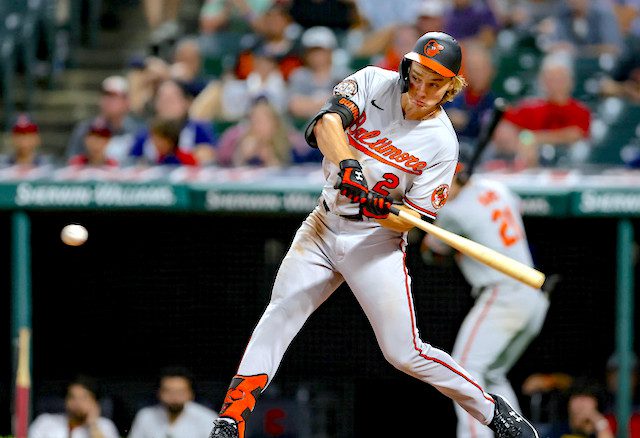
The 2025 draft class is headlined by a trio of hitters who could rewrite the record books. At the top of the list is a left-handed slugger whose bat speed is so explosive it defies physics. His ability to drive the ball to all fields with authority makes him a nightmare for pitchers, and his plate discipline suggests he’ll only get better. But power alone doesn’t guarantee success. The real magic lies in his adaptability—can he adjust to major-league breaking balls without sacrificing his aggressive approach? Next up is a switch-hitter with a sweet left-handed stroke and a cannon for a right arm. His defensive prowess at shortstop adds a layer of versatility that dynasty managers crave. The question isn’t whether he’ll hit; it’s how quickly he’ll transition to the big leagues. Finally, there’s a right-handed hitter whose advanced pitch recognition could make him the first of his class to reach the majors. His ability to lay off breaking balls in the dirt is eerily reminiscent of a young Mike Trout, but can he translate that skill to game situations?
The Pitching Phenoms: Velocity, Spin, and the Art of Deception
Pitching prospects are the lifeblood of dynasty success, and the 2025 class is stacked with arms that could anchor rotations for a decade. The crown jewel is a right-handed fireballer whose fastball routinely touches triple digits, but his true weapon is a slider that generates whiffs at a rate that borders on the supernatural. The challenge? Maintaining that velocity as he climbs the ladder. Pitchers with electric stuff often struggle with command early in their careers, and this prospect is no exception. His walk rate in high-A ball was concerning, but his ability to miss bats suggests he’ll iron out those wrinkles. Then there’s a lefty with a three-pitch mix that includes a curveball so wicked it’s been compared to a young Clayton Kershaw’s. His changeup is a masterpiece of deception, but can he harness his mechanics to avoid the dreaded innings limit? Rounding out the rotation is a crafty right-hander whose fastball sits in the mid-90s but plays up due to his uncanny ability to induce weak contact. His pitch sequencing is reminiscent of a seasoned veteran, but his lack of a true out pitch raises questions about his long-term role.
The Wildcards: Breakout Candidates and Late-Risers
Every draft class has its share of late-bloomers—players who fly under the radar until they explode onto the scene. The 2025 class is no different. One such prospect is a college outfielder whose power numbers were suppressed by a nagging injury, but scouts rave about his raw potential. His swing path suggests 30-homer upside, but his defensive metrics in center field are a mixed bag. Can he refine his routes enough to stick there, or will he slide to a corner? Another sleeper is a prep shortstop whose defensive tools are so elite that teams might overlook his offensive development. His arm strength is off the charts, but his bat has been inconsistent. The real intrigue? His ability to make adjustments in the batter’s box. If he can tap into his power potential, he could become the steal of the draft. Then there’s a reliever whose fastball-slider combination has drawn comparisons to a young Aroldis Chapman. His role is still undefined, but his dominance in short stints makes him a high-upside flier for dynasty managers willing to take a risk.
The Dynasty Dilemma: When to Draft and When to Wait
The beauty—and frustration—of dynasty leagues is the constant tug-of-war between patience and urgency. Do you draft the top prospect now, knowing he might take three years to reach the majors? Or do you wait for a safer option with a clearer path to the big leagues? The 2025 class presents a unique conundrum. The elite hitters are so talented that waiting could mean missing out on their prime years. On the other hand, the pitching prospects carry more risk, but their upside is astronomical. The key is balance. A savvy manager might target one or two hitters early while stashing pitching prospects in the farm system. But beware: the temptation to hoard talent can backfire if injuries or underperformance derail your plans. The challenge is to build a foundation of high-upside players while leaving room for mid-tier prospects who could emerge as hidden gems.
The Long Game: Projecting Future Value and Trade Opportunities
Dynasty success isn’t just about drafting well—it’s about maximizing value over time. The 2025 class offers ample opportunities to leverage prospects in trades, but timing is everything. A player who struggles in his first full season might become a prime trade chip if his tools still intrigue contenders. Conversely, a prospect who dominates in the minors could become untouchable, forcing you to pivot your strategy. The art of dynasty management lies in recognizing when to hold, when to deal, and when to take a calculated gamble. Will you package a high-ceiling pitcher for a proven big-league asset? Or will you double down on a young hitter whose stock is soaring? The answers depend on your roster’s needs and your long-term vision. One thing is certain: the 2025 class will shape fantasy baseball for years to come, and those who navigate its complexities with precision will reap the rewards.