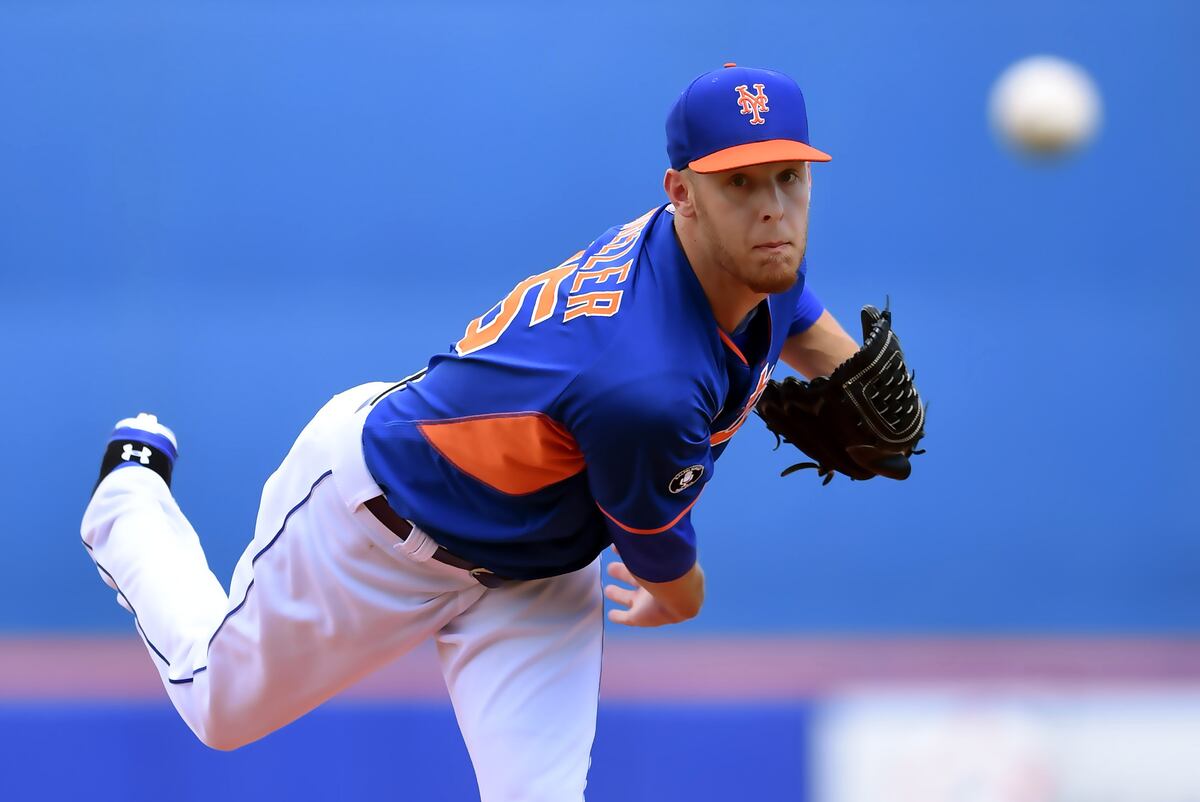
The New York Mets of 2010 were not the juggernauts they are today. In fact, they were a team in flux, caught between the remnants of a once-great era and the uncertain promise of a rebuild. What if we told you that this roster, often overshadowed by flashier squads of the same decade, was the quiet crucible where the franchise’s future was forged? The 2010 Mets weren’t just a team—they were a laboratory of trial and error, a cautionary tale wrapped in the guise of a middling ballclub. And yet, within their ranks lay the seeds of redemption, waiting to sprout in the seasons that followed.
The Core of the Rebuild: Veterans Clinging to Glory
The 2010 Mets were a team of aging warriors, their primes long past but their reputations still gleaming. David Wright, the franchise cornerstone, was entering his prime years but already carrying the weight of expectations that had never quite materialized in a championship. His .283 batting average and 29 home runs were solid, but not the stuff of lore—at least not yet. Around him, veterans like Carlos Beltrán and José Reyes brought bursts of brilliance, but injuries and inconsistency gnawed at their contributions. Beltrán, once the poster boy for Mets dominance, was a shell of his former self, while Reyes, though electrifying on the basepaths, was a defensive liability in the outfield. This was a team that had once been feared, now reduced to a shadow of its former self, its stars flickering like dying embers.
The Pitching Quandary: Arms That Couldn’t Hold the Fort
If the position players were a study in faded potential, the pitching staff was a graveyard of broken dreams. Johan Santana, the franchise’s last great ace, was still around, but his body was betraying him. A shoulder injury had robbed him of his fastball, leaving him to rely on guile and a diminished arsenal. His 2.98 ERA masked the reality: he was a pitcher fighting physics, his once-dominant stuff reduced to a whisper. Behind him, Mike Pelfrey and R.A. Dickey were the best of a mediocre lot, but Dickey’s knuckleball, though promising, was still a work in progress. The bullpen was a revolving door of arms, none of whom could consistently bridge the gap between starter and closer. This was a pitching staff that couldn’t stop the bleeding, a problem that would haunt the franchise for years.
The Farm System: A Garden of Unfulfilled Potential
Beneath the major-league struggles, the Mets’ farm system was a paradox—a treasure trove of talent that somehow never quite materialized. Ike Davis, a first baseman with a sweet left-handed swing, was supposed to be the next great Met, but injuries derailed his development. Meanwhile, Jenrry Mejía, a flamethrowing righty with untapped potential, was already showing signs of the wildness that would derail his career. The system was deep, but thin on sure things. Prospects like Lucas Duda and Daniel Murphy were still years away from making an impact, their futures as uncertain as the team’s own. This was a farm system that promised much but delivered little, a testament to the Mets’ inability to cultivate their own stars.
The Managerial Merry-Go-Round: Stability in Name Only
Jerry Manuel, the man at the helm in 2010, was a caretaker, not a visionary. His tenure was marked by a lack of direction, a team that seemed stuck in neutral. The Mets under Manuel were a team without a plan, their approach to the game as predictable as it was ineffective. The manager’s inability to maximize his players’ strengths only exacerbated the roster’s flaws. By the end of the season, the writing was on the wall: this team needed more than just a steady hand—it needed a revolution. And yet, Manuel’s tenure would linger, a reminder of an era that had passed its expiration date.
The Financial Fiasco: A Team Handcuffed by Its Own Mistakes
The Mets’ 2010 roster wasn’t just a product of on-field struggles—it was a victim of off-field missteps. The Wilpon family’s financial entanglements, particularly the Bernie Madoff scandal, had left the franchise hamstrung. Free-agent signings were sparse, trades were rare, and the payroll was a shadow of what it had once been. The team was forced to rely on internal solutions, a strategy that rarely works in a league where the best players are hoarded by the richest teams. This was a franchise that had once been a free-spending powerhouse, now reduced to scraping the barrel for talent. The 2010 roster was a symptom of a larger disease—one that would take years to cure.
The Fan Frenzy: A City Divided
For Mets fans, the 2010 season was a rollercoaster of emotions. The team’s struggles were a daily reminder of the franchise’s decline, but the occasional spark of brilliance—like Reyes’ stolen bases or Wright’s clutch hits—kept hope alive. The Shea Stadium faithful, a notoriously loyal but often frustrated bunch, were left to wonder: was this the beginning of the end, or the dark before the dawn? The answer, as it turned out, was both. The 2010 Mets were a team caught in limbo, their fate hanging in the balance between past glory and future promise. For fans, it was a season of longing, a year where the team’s failures were as palpable as its fleeting moments of brilliance.
The Silver Lining: Lessons in the Wilderness
Despite its flaws, the 2010 Mets roster was not without its silver linings. The struggles of that season forced the franchise to confront its demons. The failures on the field exposed the weaknesses in the organization’s structure, from the pitching staff to the farm system. The financial constraints, though crippling, also forced the Mets to think creatively. By the time the 2010 season mercifully ended, the seeds of a rebuild had already been planted. The Mets of 2010 may have been a team in shambles, but they were also a team on the cusp of rebirth. The lessons learned in those dark days would shape the franchise’s future, for better or worse.