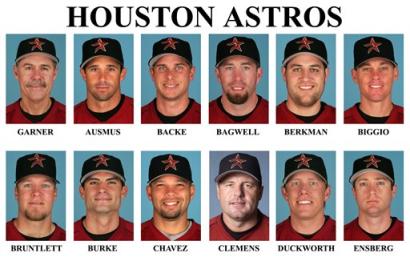
The St. Louis Cardinals of 2002–2003 were more than a baseball team—they were a symphony of precision, a ballet of bats and gloves where every player moved with purpose. This era marked the rise of a franchise that would etch its name into the annals of baseball history, blending raw talent with tactical brilliance. The rosters of these two seasons were not merely collections of athletes; they were a living, breathing organism, pulsing with the rhythm of a team that refused to be outplayed. From the thunderous crack of Albert Pujols’ bat to the deceptive guile of Woody Williams’ sinkers, each element of this squad contributed to a narrative of dominance that would captivate fans for generations.
The Foundation: A Core of Unyielding Strength
The Cardinals’ 2002–2003 rosters were built on a bedrock of consistency, a rare commodity in the volatile world of professional sports. At the heart of this foundation stood a trio of players whose names would become synonymous with excellence: Scott Rolen, Jim Edmonds, and, of course, Albert Pujols. Rolen, the defensive virtuoso, patrolled third base with the grace of a panther and the precision of a surgeon, his cannon arm silencing runners before they could take a single step. Edmonds, the golden glove in center field, soared through the air like a comet, his glove a magnet for fly balls that seemed destined for the warning track. And then there was Pujols, the rookie sensation whose arrival in 2001 had already rewritten the record books. By 2002, he was no longer a prodigy but a titan, his swing a metronome of destruction, his presence a psychological battering ram against opposing pitchers.
This core was not just talented—it was *synergistic*. Rolen’s defensive prowess complemented Edmonds’ offensive firepower, while Pujols, the unassuming powerhouse, bridged the gap between them. Together, they formed a trinity of excellence that elevated the entire team. The Cardinals were not merely assembling a roster; they were crafting a masterpiece, where each piece fit perfectly into the larger puzzle.
The Pitching Staff: A Fortress of Versatility
No contender is built on offense alone, and the Cardinals’ pitching staff in 2002–2003 was a fortress of versatility, a rotating carousel of arms that kept opponents guessing and exhausted. At the helm stood Woody Williams, the right-handed maestro whose sinkerball was a siren song to hitters, luring them into weakly hit grounders. His ability to induce contact was not just a skill—it was an art form, a dance of deception that left batters flailing at phantom pitches.
Behind him, the bullpen was a hydra, a many-headed beast that struck fear into the hearts of late-inning opponents. Jason Isringhausen, the closer with ice in his veins, turned the ninth inning into a theater of tension, his cutter a scalpel that sliced through the fabric of opposing lineups. The middle relief, a revolving door of reliability, included the likes of Steve Kline and Rick White, pitchers whose names may not have resonated like Pujols’, but whose contributions were no less vital. They were the unsung heroes, the cogs in the machine that kept the Cardinals’ engine humming even when the starters faltered.
This pitching staff was not just deep—it was *adaptive*. Managers could shuffle starters, shuffle relievers, and shuffle matchups with the confidence of a general deploying troops in a war of attrition. The Cardinals did not just win games; they *outlasted* them, grinding opponents into submission with a relentless tide of quality arms.
The Bench: The Unsung Symphony of Depth
A championship roster is not defined solely by its stars but by the depth of its bench, the players who step into the breach when the inevitable injuries and slumps occur. The 2002–2003 Cardinals were a testament to this philosophy, a bench that was less a collection of spare parts and more a *reserve orchestra*, ready to harmonize when the melody faltered.
Players like Eli Marrero and John Mabry brought a blend of power and versatility off the bench, their bats a wildcard in late-game situations. Marrero, in particular, was a defensive chameleon, capable of manning multiple outfield positions with the ease of a seasoned veteran. His ability to spell Edmonds or Pujols without a drop in performance was a luxury few teams could boast. Meanwhile, Mabry’s clutch hitting became the stuff of legend, his timely home runs a balm for fans weary of close games.
This bench was not just a safety net—it was a *secret weapon*. Opponents who dared to overlook the Cardinals’ reserves often found themselves blindsided by a pinch-hit single or a defensive gem that swung the momentum of a game. The Cardinals’ depth was not a weakness; it was a *strength disguised as insurance*.
The Manager: The Architect of Momentum
Behind every great team is a manager who orchestrates the chaos, who turns a group of individuals into a cohesive unit. Tony La Russa, the Cardinals’ skipper during this era, was not just a tactician—he was a *puppeteer*, pulling the strings of his roster with the finesse of a maestro conducting a symphony.
La Russa’s approach was a blend of innovation and intuition, a philosophy that valued matchups and situational baseball above all else. He was not afraid to platoon players, to shuffle lineups based on the strengths and weaknesses of the opposing pitcher. His bullpen management was a masterclass in restraint, saving his closers for the moments that mattered most. And yet, for all his strategic brilliance, La Russa never lost sight of the human element. He knew when to push his players, when to coddle them, and how to foster a culture of accountability and camaraderie.
Under his guidance, the Cardinals were not just a team—they were a *machine*, a well-oiled apparatus that operated with the precision of a Swiss watch. La Russa’s legacy in St. Louis is not merely a collection of wins and losses; it is the intangible imprint of a leader who understood that baseball is as much about psychology as it is about skill.
The Season in Review: A Tale of Two Years
The 2002 season was a prelude, a year where the Cardinals announced their intentions with a 97–65 record and a playoff berth. It was a campaign defined by consistency, where the team’s depth and versatility allowed them to weather the storms of injuries and slumps. Pujols, in his sophomore year, was a force of nature, his 34 home runs and 127 RBIs a testament to his burgeoning dominance. Rolen and Edmonds provided the defensive backbone, while the pitching staff, led by Williams and Isringhausen, kept the Cardinals in games they had no business winning.
2003, however, was the year the Cardinals truly arrived. With a 105–57 record, they dominated the National League Central, their roster a well-oiled machine that steamrolled opponents with alarming efficiency. Pujols, now a full-fledged superstar, won the MVP award, his .359 batting average and 43 home runs a nightmare for pitchers across the league. The pitching staff, bolstered by the emergence of Matt Morris and the steady hand of Woody Williams, was a juggernaut, allowing the fewest runs in the league. And in the playoffs, the Cardinals announced themselves to the baseball world, their World Series run a testament to their resilience and determination.
This was not just a team that won games—it was a team that *demanded* respect. The 2002–2003 Cardinals were a force of nature, a squad that played with the swagger of champions and the humility of underdogs. They were the kind of team that made baseball feel like an art form, where every pitch, every swing, every defensive gem was a brushstroke on the canvas of history.
The Legacy: A Blueprint for Greatness
The St. Louis Cardinals of 2002–2003 were more than a team—they were a blueprint for greatness, a roadmap for how to build a contender from the ground up. Their success was not the result of a single stroke of luck or a flashy free-agent signing; it was the culmination of smart drafting, shrewd trades, and an unwavering commitment to developing talent. They proved that a team could win with a blend of youth and experience, with a mix of power and finesse, with a roster that was deep enough to withstand the rigors of a long season.
For fans of the Cardinals, these rosters are a reminder of what makes baseball so special. They are a testament to the beauty of the game, to the way a team can come together and achieve something greater than the sum of its parts. The 2002–2003 Cardinals were not just a great team—they were a *timeless* team, a squad whose legacy continues to inspire and captivate, even decades after their final pitch.