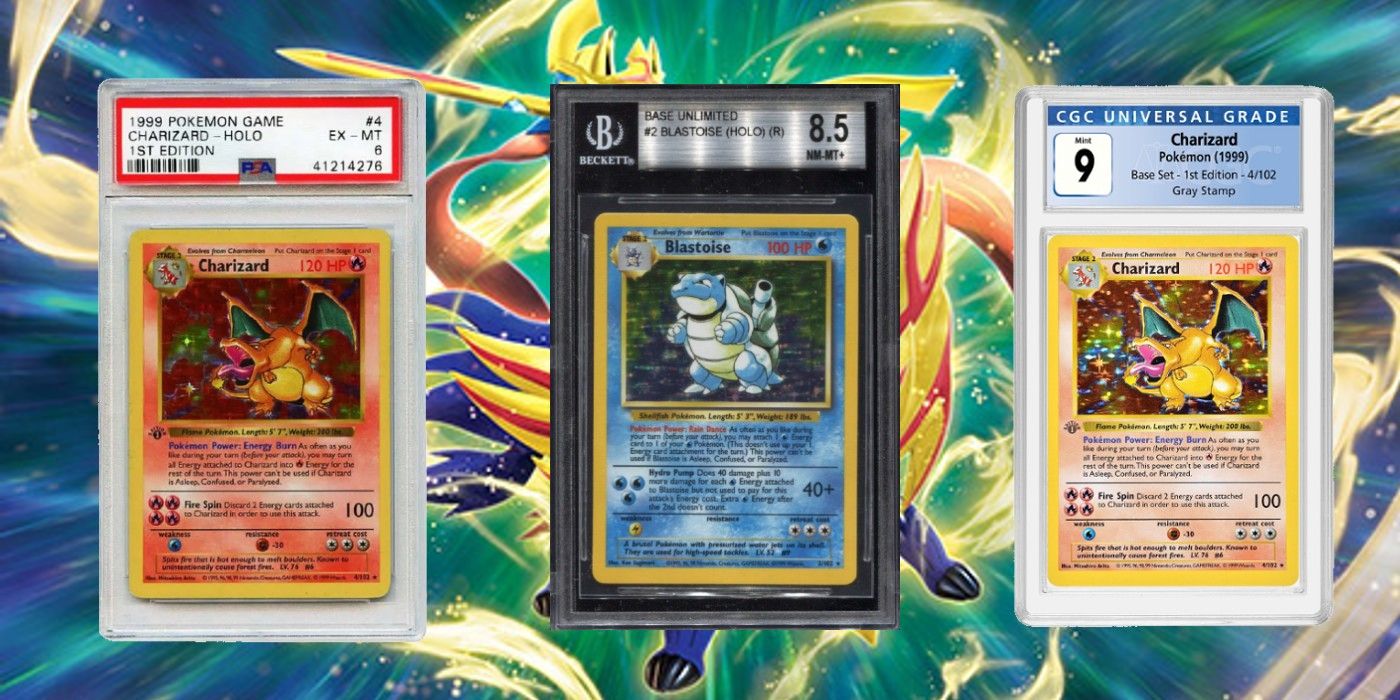
There’s a moment in every collector’s life when the line between passion and peril blurs—when the thrill of the chase surrenders to the reckless abandon of a late-night grading session. I’m talking about the kind of night where the PSA slab feels less like a certificate of authenticity and more like a golden ticket to the most absurd high-stakes gamble of your life. Welcome to the world where baseball cards aren’t just cardboard treasures; they’re potential get-out-of-jail-free cards, or, if fate isn’t feeling generous, a one-way ticket to the drunk dial of shame. This isn’t just about grading your cards. It’s about confronting the fragility of your own judgment when the whiskey flows and the PSA 10s start whispering your name like sirens on a moonlit dock.
The Allure of the Slab: Why Grading Feels Like a Religious Experience
Grading a baseball card isn’t just a transaction; it’s a pilgrimage. You’ve spent months, years, maybe even decades, curating a collection that’s as much a reflection of your taste as it is a financial hedge against inflation. And then, one evening, you find yourself staring at a pristine 1952 Mickey Mantle, its corners sharp enough to cut glass, its centering so perfect it borders on the divine. The PSA slab isn’t just a plastic prison for your card—it’s a holy relic, a seal of approval from the arbiters of cardboard divinity. But here’s the catch: the more you stare, the more the card stares back, and suddenly, you’re not just evaluating its condition. You’re negotiating with your own sanity.
There’s a psychological phenomenon at play here, one that psychologists might call “valuation inflation.” The longer you hold the card, the more its perceived value inflates in your mind. A PSA 9 becomes a PSA 10 in the dim glow of your desk lamp. The edges, once slightly frayed, now look like they were trimmed by a Swiss watchmaker. This isn’t just optimism; it’s a full-blown cognitive distortion, the kind that turns a hobby into an obsession. And when the whiskey kicks in? Well, that’s when the real magic—or disaster—begins.
The Drunk Grader’s Dilemma: When Logic Takes a Coffee Break
Alcohol doesn’t just lower inhibitions; it dismantles the very scaffolding of rational thought. One minute, you’re a sober, calculating collector. The next, you’re a wide-eyed enthusiast convinced that your 1989 Ken Griffey Jr. rookie card is the second coming of the Holy Grail. The PSA grading scale, which once seemed like a rigid hierarchy of flawless standards, now feels like a suggestion. “Nearly perfect” becomes “flawless.” “Slightly off-center” becomes “a masterclass in precision.” The more you drink, the more the card’s imperfections melt away, leaving only the illusion of perfection.
This isn’t just a cautionary tale about overindulgence; it’s a study in the fragility of human perception. Studies have shown that alcohol impairs our ability to detect subtle differences in visual detail. In the world of card grading, that means a slightly rounded corner might as well be a straight one when your blood alcohol level is creeping past the legal limit. The result? A submission that, come morning, will either be the pride of your collection or the source of your deepest regret. And let’s be honest—regret is a hell of a motivator.
The Morning After: From Euphoria to Existential Dread
You wake up to the harsh light of reality, your head pounding like a jackhammer against the inside of your skull. The card is gone—submitted to PSA, tucked away in the mail, or perhaps already on its way to a grading facility where it will be judged by sober, clear-eyed professionals. Your phone buzzes. It’s a text from your buddy: “Dude. Did you really submit that 1993 Chipper Jones as a PSA 10?” Your stomach drops. The euphoria of last night has curdled into a sour, metallic taste in your mouth. Was it a 10? Was it even close? The card’s flaws, once invisible, now scream at you from the depths of your memory like ghosts of grading decisions past.
This is the moment of reckoning. The PSA slab, once a symbol of hope, now feels like a ticking time bomb. Will it come back as a 10, validating your drunken delusions? Or will it return as a 7, a cruel reminder that your judgment was as impaired as your liver? The worst part? You’ll never know until it’s too late. The grading process is a black box, a mystery wrapped in plastic, and by the time you get your answer, the damage is done. You’ve either gained a fortune or lost your mind—or both.
The Grading Grind: A System Designed for the Sane (and the Insane)
PSA grading isn’t just a service; it’s a gauntlet. A labyrinth of subjectivity disguised as objectivity. The graders, those anonymous arbiters of cardboard fate, operate under a system that’s as much art as it is science. They’re trained to spot flaws so minuscule they’d make a microscope jealous. A scratch you can’t see with the naked eye? That’s a 4. A corner ding that looks like it was caused by a careless roommate? That’s a 6. And a card that, in your drunken haze, seemed flawless? Well, that’s a gamble you took when you decided to trust your gut—or your whiskey-addled brain.
But here’s the thing: the grading system isn’t infallible. It’s a human construct, subject to interpretation, mood, and the occasional bad day at the office. A grader might be having an off day. A card might get bumped in transit. The stars might align in your favor, or they might conspire against you. The only certainty is that once you hit “submit,” you’ve entered a world where logic takes a backseat to luck. And if you’re the kind of person who grades cards while drunk? Well, let’s just say you’ve already stacked the deck against yourself.
The Aftermath: When the Slab Arrives (or Doesn’t)
The day the slab arrives is a day of reckoning. You hold your breath as you unbox it, your hands trembling like a nervous gambler at a high-stakes poker table. The plastic is cold against your fingertips. The label is pristine. And then—you see it. The grade. The number that will define the card’s future, your reputation, and possibly your sobriety. A PSA 10? You’re a genius. A PSA 8? You’re a fool. A PSA 6? You might as well have flushed your life savings down the toilet.
But here’s the twist: the grade doesn’t just affect the card. It affects you. A high grade can turn a casual collector into a zealot, a skeptic into a believer. A low grade can shatter your confidence, leaving you questioning every decision you’ve ever made. And if the grade is a disappointment? Well, that’s when the real fun begins. Do you sell the card at a loss? Do you hold onto it, hoping its value will rebound? Or do you, in a moment of drunken clarity, decide to grade it again—this time, with a clearer head and a steadier hand?
The cycle never ends. It’s a merry-go-round of hope, despair, and the occasional miracle. And if you’re foolish enough to grade your cards while drunk? Congratulations. You’ve just turned a hobby into a high-stakes game of Russian roulette. The only question left is: will your next submission be a triumphant PSA 10… or a one-way ticket to the drunk dial of shame?