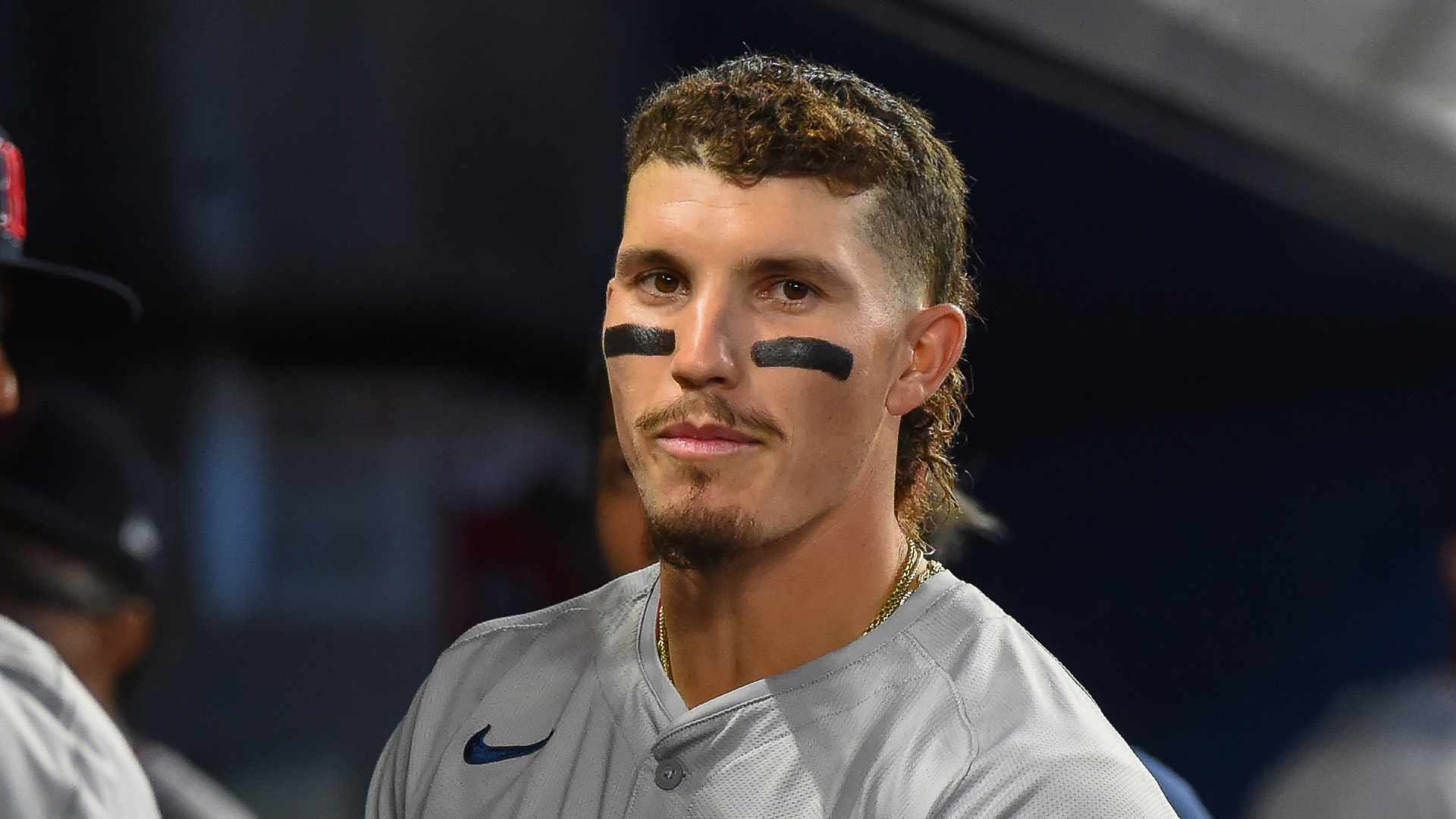
The Boston Red Sox have always possessed a certain charisma, a distinctive pulse that resonates through Fenway Park and beyond. Amidst the cacophony of a baseball stadium, the moments before a player steps into the batter’s box are imbued with significant weight, often punctuated by a well-chosen walk-up song. Recently, outfielder Jarren Duran’s selection has become a surprising and captivating source of fan intrigue, prompting a considerable swell of enthusiasm. It’s more than just background music; it’s a sonic signature, a fleeting glimpse into the athlete’s psyche, and its sudden prominence warrants a closer examination. This article delves into the revelation of Duran’s walk-up song, explores the fervent fanbase reaction, and investigates the underlying reasons behind its burgeoning popularity, touching on themes of nostalgia, identity, and the evolving relationship between athletes and their audiences.
The Unexpected Choice: “Guantanamera” Takes the Field
For a considerable period, Duran’s walk-up selections remained relatively unremarkable, blending into the general sonic landscape of Red Sox games. However, the arrival of “Guantanamera,” a quintessential Cuban folk song, marked a dramatic inflection point. Few anticipated the adoption of such a culturally rich and traditionally reverent piece as a baseball walk-up. Originally popularized internationally through recordings by artists such as Pete Seeger, “Guantanamera” is deeply intertwined with Cuban identity and the island’s historical struggles. The song, composed by Joseíto Fernández, carries layers of meaning – a potent blend of defiance, pride, and longing – qualities that, seemingly incongruously, now accompany Duran’s appearances at bat. It wasn’t just a song; it became a conversation starter, a point of conjecture amongst the fanbase.
Fan Reaction: A Cascade of Enthusiasm and Speculation
The initial reaction to Duran’s walk-up song was a cascade of bewilderment, swiftly followed by a surge of positive sentiment. Social media platforms became veritable echo chambers of appreciation and conjecture. Some fans expressed amusement, captivated by the unusual pairing of a Latin American ballad and a contemporary baseball player. Others demonstrated a deeper, more considered enthusiasm, celebrating the song’s beauty and evocative power. The discourse broadened quickly, extending beyond mere appreciation of the music itself to encompass interpretations of Duran’s motivations and the symbolic resonance of his choice. This wasn’t just about a catchy tune; it was about a statement, albeit a subtle one. The unexpectedness, in itself, fueled the fervor. It was a deviation from the norm, a disruption of expectations, and in a world increasingly craving authenticity, it struck a chord.
Decoding the Choice: Cultural Significance & Personal Connection
Understanding the rationale behind Duran’s selection necessitates considering the cultural significance of “Guantanamera.” The song’s enduring popularity transcends national boundaries, resonating deeply with communities for its themes of resilience and hope. This speaks to a broader trend: athletes increasingly embracing music that reflects their heritage or personal beliefs, forging a more intimate connection with their fan base. While Duran has not publicly elaborated extensively on his selection, speculation abounds. It’s plausible the song holds a personal connection, perhaps reflecting his heritage or a significant personal experience. One might conjecture it’s an homage to a family member, a memory evoked by a cherished journey, or simply an appreciation for the artistry inherent within the composition. Regardless of the precise origin, the choice demonstrates a thoughtful consideration beyond mere superficiality.
The Psychology of Walk-Up Songs: Ritual, Identity, and Performance
The phenomenon of walk-up songs transcends mere auditory accompaniment; it’s a deeply ingrained ritual, intertwined with the psychology of performance. For athletes, these selections represent more than just music—they’re sonic anchors, helping to focus their mental state during high-pressure moments. A carefully selected song can serve as a conduit, channeling energy, bolstering confidence, and even inducing a sense of flow. Consider the broader implications: music has a demonstrable physiological impact – influencing heart rate, respiration, and ultimately, performance. Moreover, a walk-up song contributes to an athlete’s public persona, crafting an image, signaling values, and forming a connection with the fanbase. Duran’s choice, starkly contrasting the typical bombastic hip-hop or rock anthems often employed, presents a studied alternative, a quiet strength reflecting a certain self-assuredness.
Beyond the Music: Building a Narrative Around Jarren Duran
The emergence of “Guantanamera” as Duran’s walk-up song is, in a sense, a testament to the power of narrative. It’s provided a facile hook, a starting point for creating a more nuanced and engaging storyline around a player who, until recently, might have remained relatively anonymous to the casual observer. Suddenly, Duran is more than just an outfielder; he is a man of taste, a figure of intriguing depth, someone who transcends the reductive labels often applied to athletes. This phenomenon points to a fundamental shift in how fans engage with sports. They’re no longer content with witnessing athletic feats alone; they seek authenticity, relatability, and moments of genuine connection. The subtle complexity of a culturally significant walk-up song furnishes precisely that, creating a shared experience and fostering a deeper appreciation for the athlete beyond his statistics.
The Future of Athlete-Music Synergy: A Trend with Staying Power?
The Duran-“Guantanamera” phenomenon isn’t an isolated incident; it suggests a burgeoning trend—athletes actively curating their image through music selection. As digital platforms continue to blur the lines between athleticism and entertainment, the intentionality behind such choices will only amplify. Expect future players to explore music selections that reflect their personal narratives, their cultural heritage, or their artistic sensibilities. It’s a symbiotic relationship, where athletes leverage music to deepen their connection with fans, and music benefits from the platform provided by the athleticism and visibility of professional sports. The continued exploration of such connections promises a richer, more multifaceted experience for both athletes and the burgeoning legions of dedicated fans.