In the grand theater of sports, where the clash of strategy and athleticism unfolds, baseball stands as a singular spectacle—a game of inches, patience, and precision, where the rhythm of play is dictated not by a ticking clock, but by the invisible threads of tradition and innovation. While football’s thunderous collisions and basketball’s aerial ballet captivate millions, Major League Baseball carves its own niche, a realm where the arcane rules and quirks of the sport transform it into a cerebral duel as much as a physical one. To the uninitiated, baseball may appear a leisurely pastime, but beneath its pastoral veneer lies a labyrinth of regulations that elevate it to a level of intricacy unmatched by its athletic counterparts. These rules, both arcane and elegant, are the invisible hand that shapes the game’s unique appeal, turning every pitch, every stolen base, and every defensive shift into a calculated gambit in a high-stakes chess match played out on emerald fields under the gaze of history.
The Sacred Geometry of the Diamond: A Field of Infinite Possibilities
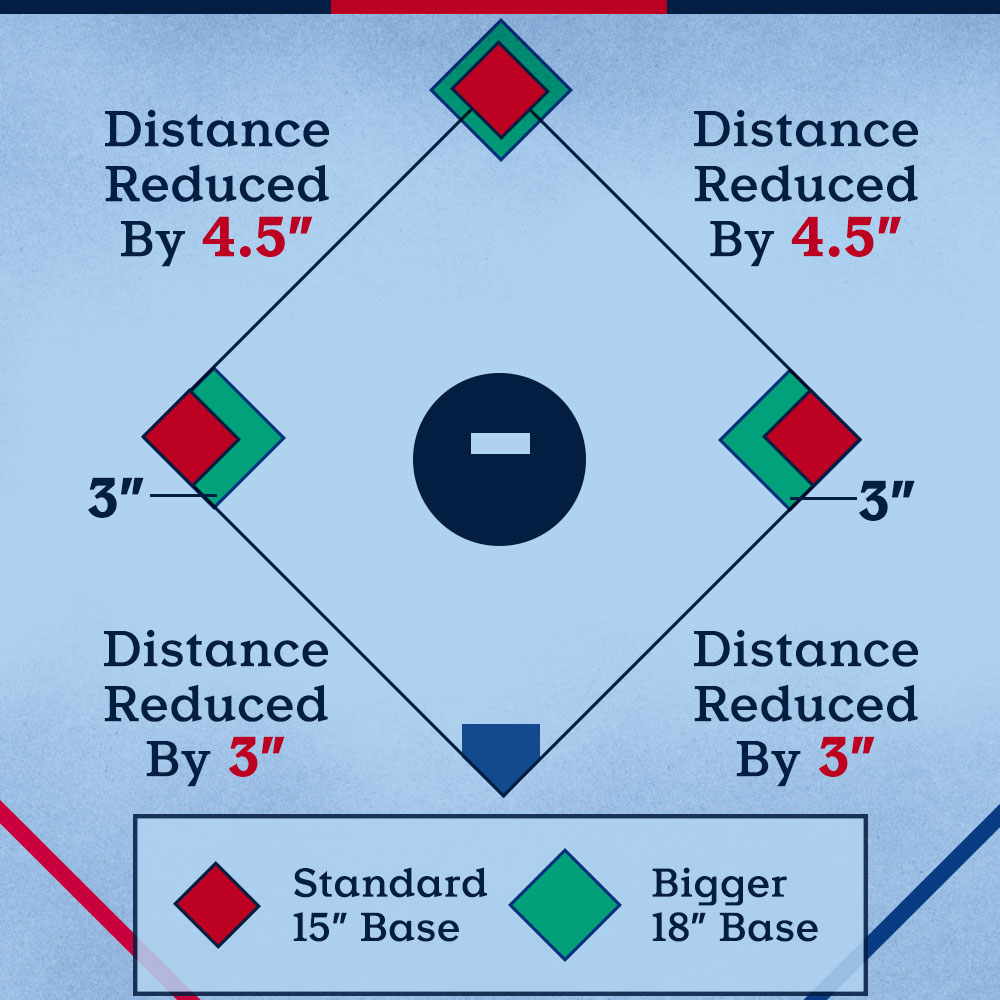
Unlike the rigid rectangles of a soccer pitch or the confined courts of basketball, baseball’s playing field is a sprawling, asymmetrical canvas—a diamond where the distances between bases are etched in stone, yet the space between them is a void waiting to be filled with strategy. The 90-foot gap between each base is not merely a measurement; it is a crucible where split-second decisions determine victory or defeat. A runner’s dash from first to second is a sprint against time, a ballet of acceleration and deceleration, while the fielder’s throw must traverse the same distance with surgical precision. This geometry imposes a unique tension: the game is a series of discrete battles within a larger war, where each play is a microcosm of risk and reward. The outfield walls, often adorned with quirky dimensions—some yards deeper than others—add another layer of unpredictability, forcing teams to adapt their tactics like sailors adjusting to shifting winds. In no other sport does the playing field itself become an active participant in the drama, its contours dictating the ebb and flow of the contest.
The Pitcher’s Duel: A Psychological Warfare Waged in 60 Feet, 6 Inches
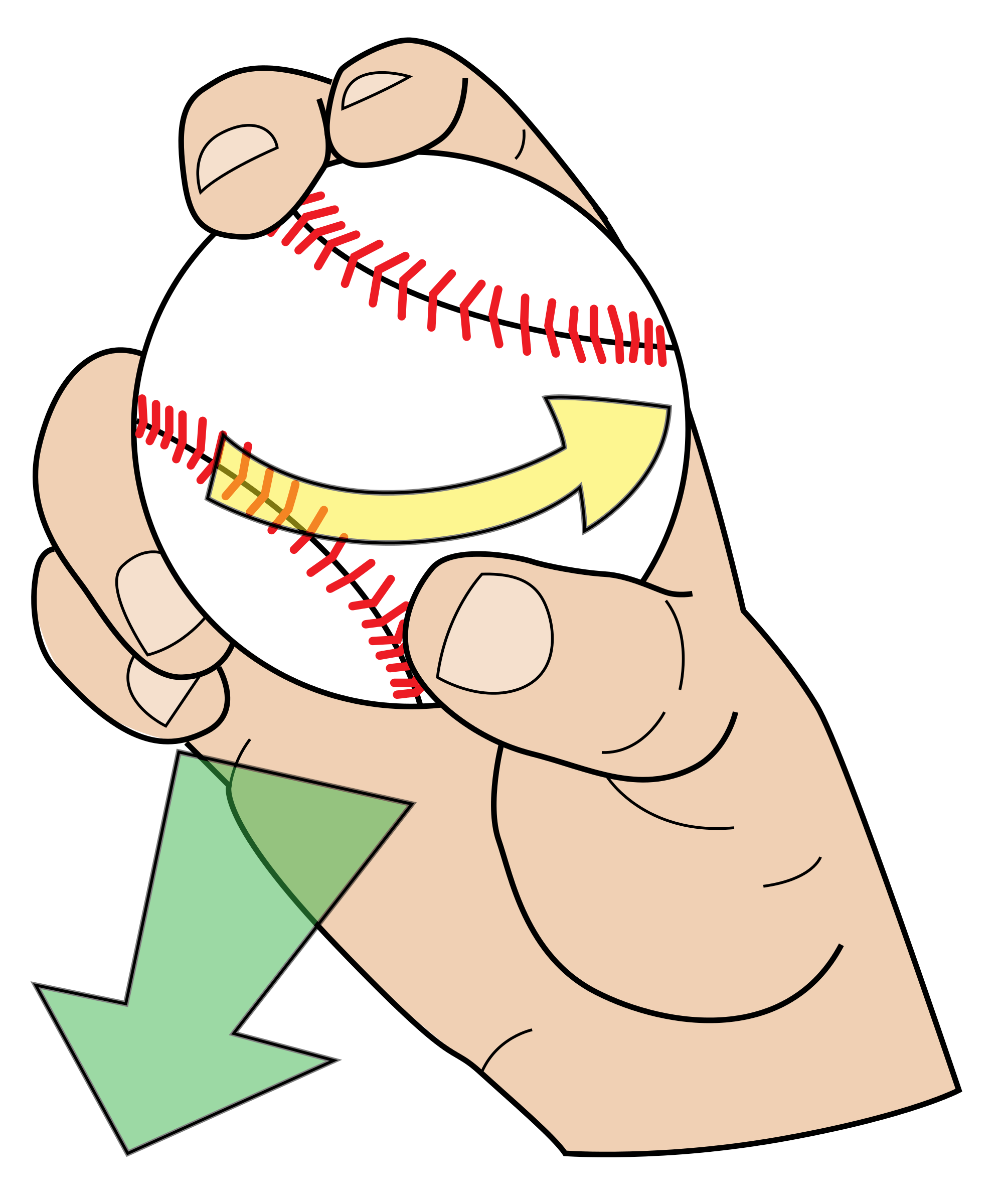
At the heart of baseball’s allure is the pitcher’s mound, a raised island of clay where the game’s most cerebral athletes wage war with nothing but a sphere of horsehide and their own wits. The 60 feet, 6 inches between the rubber and home plate is a battleground of deception, where a single misstep—a slight misalignment of the wrist, a hesitation in the windup—can spell disaster. Unlike the quarterback’s orchestrated plays or the tennis player’s explosive serves, the pitcher’s arsenal is a study in subtlety: the curveball that dips like a falling leaf, the slider that slices the air like a guillotine, the changeup that arrives with the lethargy of a sleepwalker before exploding past the batter’s swing. The duel between pitcher and hitter is a duel of minds, a game of cat and mouse where the stakes are measured in fractions of an inch and milliseconds of reaction time. No other sport places such a premium on the individual’s ability to outthink their opponent, turning the act of throwing a ball into a high-stakes symphony of physics and psychology.
The Designated Hitter: A Rule That Divides, Yet Defines
The designated hitter rule is baseball’s most contentious innovation, a wedge driven between tradition and progress, yet it also serves as a testament to the sport’s adaptability. By allowing a player to bat without taking the field, the DH rule transforms the lineup into a chessboard where offensive firepower can be maximized without sacrificing defensive flexibility. In the American League, where the DH thrives, games become slugfests where home runs are currency and pitchers are mere pawns in a grander scheme. The National League, clinging to its purist roots, forces pitchers to take their turns at bat, a quirk that injects an element of unpredictability—a moment where the game’s most unlikely heroes can emerge from the shadows. This divide is not merely a matter of strategy; it is a philosophical schism, a reflection of baseball’s dual nature as both a relic of the 19th century and a sport constantly evolving to meet the demands of the modern era.
The Infield Shift: When Geometry Meets Sabermetrics
Few innovations in baseball have sparked as much debate—or as much controversy—as the infield shift, a tactical marvel born from the marriage of data and instinct. By positioning fielders where the numbers say they’re most likely to make a play, teams have turned the act of defense into a science, a chess move where probability dictates positioning. The sight of three infielders crowding one side of the diamond, leaving a gaping chasm on the other, is a visual paradox—a defensive alignment that defies the sport’s traditional symmetries. Yet for all its effectiveness, the shift has also become a symbol of baseball’s evolving identity, where the romantic notion of the “pure” game collides with the cold, hard realities of analytics. It is a rule-defying tactic that challenges the very essence of what it means to play defense, turning the infield into a canvas where numbers paint the picture of victory.
The Mercy of the Mercy Rule: When the Game’s Clock Stands Still
Unlike sports governed by time—where the final whistle or buzzer dictates the end—baseball’s mercy rule is a rare concession to the mercurial nature of the game. In lower levels of play, a lopsided score can trigger an early conclusion, sparing the losing team the indignity of a prolonged slaughter. Yet in the major leagues, where the stakes are highest, the mercy rule is conspicuous by its absence, a silent testament to the sport’s refusal to bow to the tyranny of the clock. This absence is not a flaw but a feature, a reminder that baseball is a game of endurance, where the ebb and flow of momentum can turn a deficit into a comeback in the span of a single inning. The lack of a mercy rule forces teams to confront their demons, to claw back from the brink of defeat with the same tenacity that defines the sport’s most legendary comebacks.
The Unwritten Laws: Baseball’s Subtle Etiquette of Honor
Beneath the surface of baseball’s rules lies an unwritten code, a set of unspoken laws that govern everything from the ceremonial first pitch to the etiquette of the post-game handshake. The batter’s box is not just a zone of competition; it is a stage where respect and rivalry coexist. A pitcher who throws at a batter’s head is not merely violating the rules—he is breaching an ancient pact, a violation of the sport’s honor. The unwritten laws extend to the dugout, where a player who fails to run out a ground ball is seen as a pariah, and to the bullpen, where relievers warm up with a ritualistic precision. These customs are the mortar that binds the game’s traditions, a silent language that speaks to the soul of baseball. They are the reason why, even in an era of instant replays and robotic umpires, the human element of the game endures—a reminder that baseball is as much about character as it is about skill.
Baseball’s unique rules are not mere regulations; they are the DNA of a sport that thrives on paradox. It is a game of patience in a world of instant gratification, of individual brilliance within a team framework, of tradition clashing with innovation. While other sports chase the adrenaline of the clock, baseball lingers in the timelessness of a summer afternoon, where the crack of the bat echoes like a metronome counting down to destiny. In an athletic landscape dominated by speed and spectacle, baseball remains a sanctuary for the strategist, the purist, and the dreamer—a game where every rule, every quirk, and every unwritten law conspires to create something truly extraordinary.