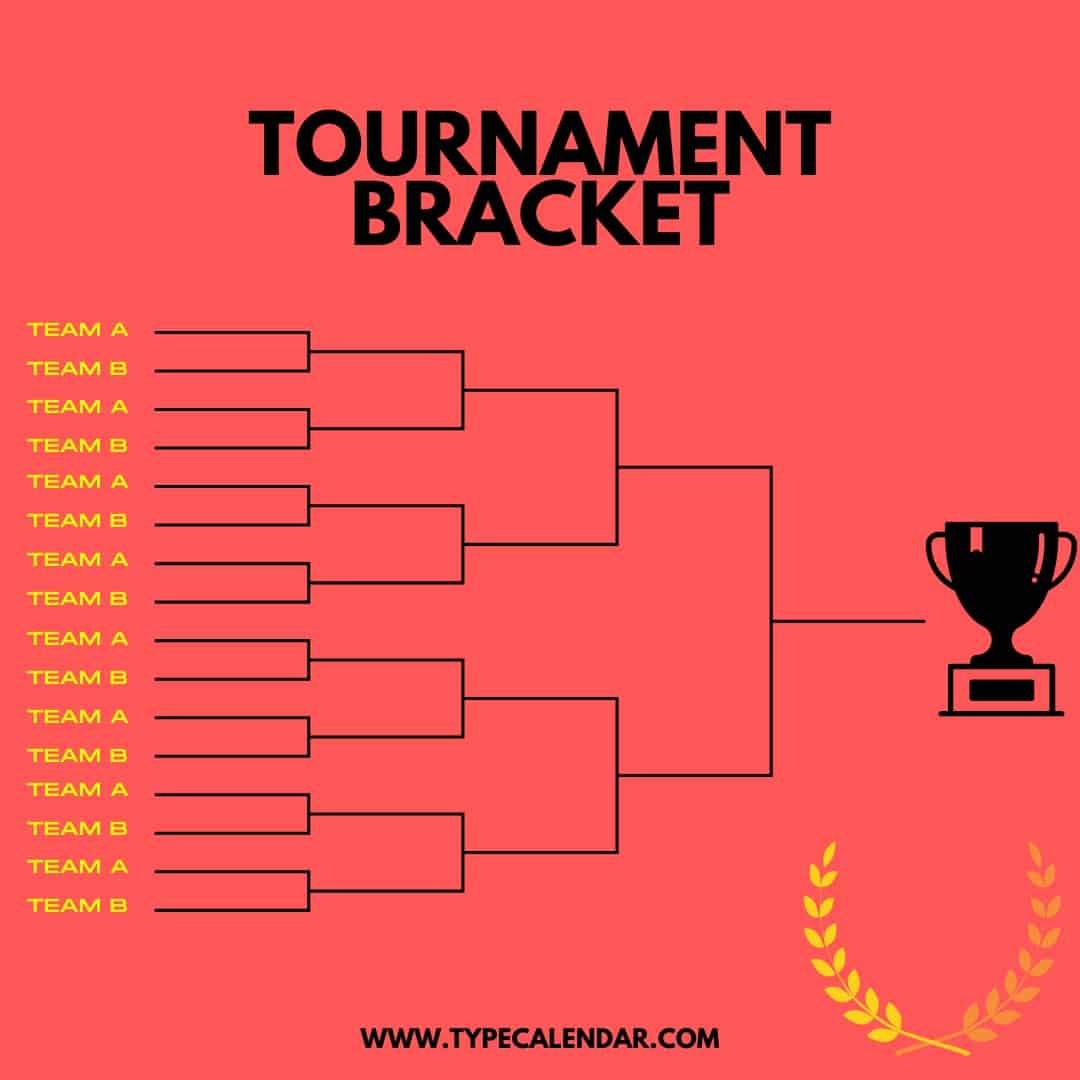
In the realm of small-scale baseball tournaments, where resources are limited and time is precious, the 3-team tournament bracket emerges as a pragmatic solution. Unlike sprawling multi-team competitions that demand exhaustive scheduling and complex logistics, this streamlined format offers a balance between competitiveness and simplicity. It caters to casual leagues, local tournaments, or even impromptu gatherings where the goal isn’t just to crown a champion but to foster camaraderie and skill development. The beauty of the 3-team bracket lies in its ability to condense the essence of tournament play into a single day or weekend, making it a favorite among organizers who prioritize efficiency without sacrificing the thrill of competition.
The Anatomy of a 3-Team Bracket: Structure and Flow
A 3-team tournament bracket is deceptively simple yet meticulously designed to ensure fairness and minimize idle time. The most common structure is a two-round format: two teams face off in the first match, while the third team awaits in the wings. The winner of the initial game advances directly to the championship round, while the loser is eliminated. The third team, having enjoyed a bye in the first round, enters the championship match against the victor. This setup guarantees that every team plays at least once, and the tournament concludes in just two games—a stark contrast to the marathon-like endurance required in larger brackets.
What makes this format intriguing is its inherent asymmetry. The team that receives the bye gains a strategic advantage, as they enter the championship with fresh legs and no prior exertion. Conversely, the team that wins the opening match must immediately pivot to a high-stakes final, testing their stamina and mental resilience. This dynamic introduces an element of unpredictability, where the underdog can rise to the occasion or the favored team might falter under pressure. The 3-team bracket, therefore, becomes a microcosm of larger tournaments, where intangibles like momentum and psychological fortitude often dictate outcomes.
Why the 3-Team Format Resonates with Organizers and Players
For organizers, the 3-team bracket is a logistical godsend. It eliminates the need for complex seeding, elaborate tiebreaker systems, or the headache of scheduling multiple rounds. The minimalist approach reduces the risk of delays, weather disruptions, or equipment shortages, ensuring the event stays on track. Moreover, the format’s brevity makes it ideal for venues with limited availability, such as school fields or community parks, where booking conflicts are common. The simplicity also extends to scoring and officiating, as fewer games mean fewer opportunities for disputes or errors in judgment.
Players, too, find solace in the 3-team structure. For young athletes or recreational leagues, the format provides a low-pressure introduction to tournament play. The abbreviated schedule means less time away from work or school, and the reduced physical toll makes it accessible to players of varying skill levels. There’s also an undeniable social benefit: the format encourages interaction between teams, as the bye allows for mingling and shared experiences that larger tournaments often lack. In this way, the 3-team bracket transcends its functional purpose, becoming a catalyst for community building and shared memories.
The Psychological Chessboard: Strategy and Mind Games
Beneath its surface simplicity, the 3-team bracket is a psychological chessboard where strategy and intuition collide. The team with the bye must decide whether to conserve energy for the final or use the downtime to analyze their opponent’s weaknesses. Meanwhile, the team that wins the opening match faces a critical choice: play conservatively to preserve stamina or go all-in to demoralize their opponent before the championship. This strategic depth is often overlooked in casual discussions about tournament formats, yet it’s where the 3-team bracket reveals its true complexity.
Consider the scenario where the bye team is the underdog. They might opt to study the opening game closely, identifying patterns in their opponent’s pitching or defensive lapses. Armed with this knowledge, they can exploit vulnerabilities in the championship, turning a perceived disadvantage into a tactical triumph. Alternatively, the opening match could become a high-scoring slugfest, leaving both teams fatigued and the bye team with a golden opportunity to capitalize on their freshness. These micro-decisions, often made in the heat of the moment, highlight how the 3-team bracket is as much about mental agility as it is about physical prowess.
Adaptability: Tailoring the Format to Different Needs
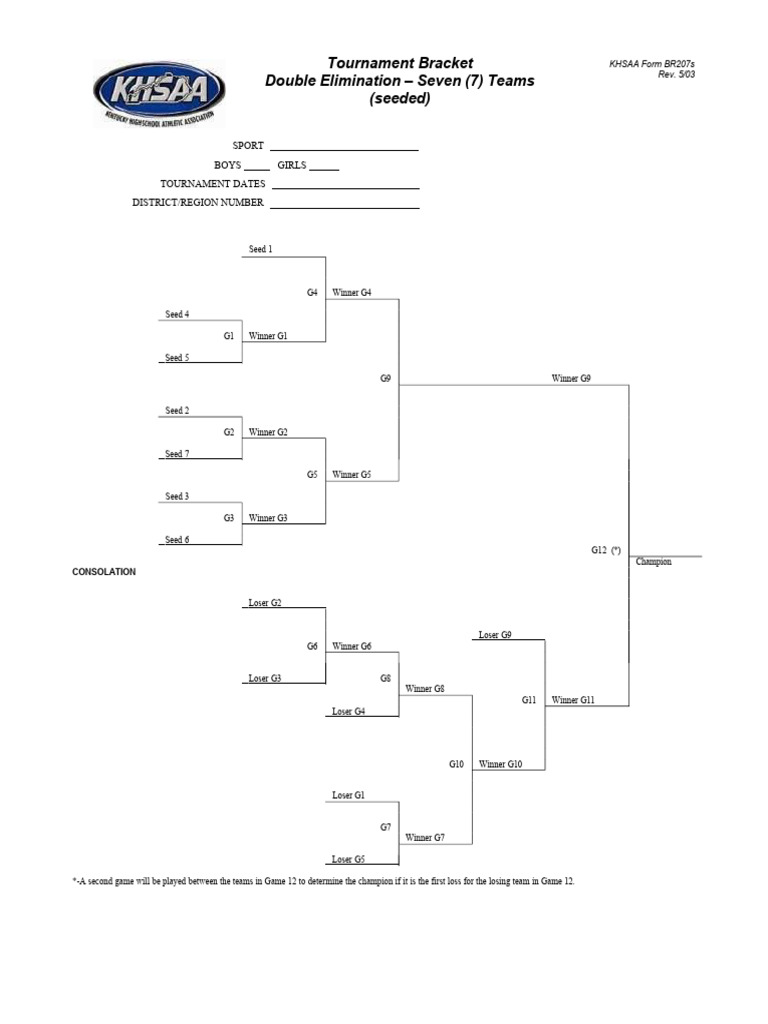
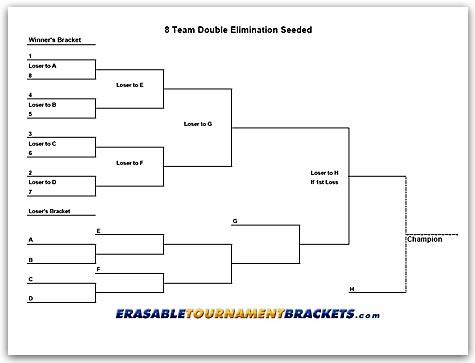
One of the most compelling aspects of the 3-team bracket is its adaptability. While the standard format is a two-game affair, organizers can introduce variations to suit specific goals. For instance, a “consolation game” can be added for the team that loses the opening match, providing an extra layer of competition and ensuring no team leaves empty-handed. Alternatively, a “double-elimination” twist can be implemented, where the opening match loser gets a second chance if they defeat the bye team in a preliminary round. These modifications add layers of complexity without overwhelming the core structure.
Another adaptation is the “round-robin” hybrid, where all three teams play each other once, with the top two advancing to a championship game. This format increases the number of games but ensures a more comprehensive evaluation of each team’s performance. It’s particularly useful in skill-based leagues where seeding accuracy is paramount. The key takeaway is that the 3-team bracket is not a rigid template but a flexible framework that can be molded to fit the unique demands of any event.
Common Pitfalls and How to Avoid Them
Despite its simplicity, the 3-team bracket is not immune to pitfalls. The most glaring issue is the potential for lopsided matchups, where one team is significantly stronger than the others. This can lead to anticlimactic finals or, worse, a lack of competitive balance that discourages participants. To mitigate this, organizers should implement a preliminary round where teams are seeded based on past performance or skill assessments. Even a basic ranking system can prevent mismatches and ensure the tournament remains engaging.
Another challenge is managing player fatigue, especially in formats where the championship follows closely after the opening game. Organizers should schedule adequate rest periods between matches and, if possible, stagger start times to allow teams to recover. Hydration stations, shaded areas, and medical personnel on standby are also essential, particularly in hot or humid conditions. By addressing these logistical hurdles proactively, organizers can preserve the integrity of the tournament and ensure a positive experience for all participants.
The Unspoken Allure: Why the 3-Team Bracket Endures
The enduring appeal of the 3-team tournament bracket lies in its paradoxical nature: it is both simple and profound. On the surface, it’s a practical solution for small-scale events, but beneath that, it’s a microcosm of the larger sporting world. It encapsulates the tension between strategy and chance, the balance between competition and camaraderie, and the delicate interplay between preparation and spontaneity. For players, it’s an opportunity to test their mettle in a high-stakes environment without the overwhelming pressure of a full-scale tournament. For organizers, it’s a testament to the power of minimalism in achieving maximum impact.
Perhaps its greatest strength is its ability to democratize the tournament experience. In an era where sports are often dominated by elite leagues and professional circuits, the 3-team bracket reminds us that the essence of competition can thrive in the most unassuming settings. It’s a format that celebrates the joy of play, the thrill of rivalry, and the bonds forged in the crucible of sport. Whether it’s a backyard league, a school tournament, or a community fundraiser, the 3-team bracket proves that sometimes, less really is more.