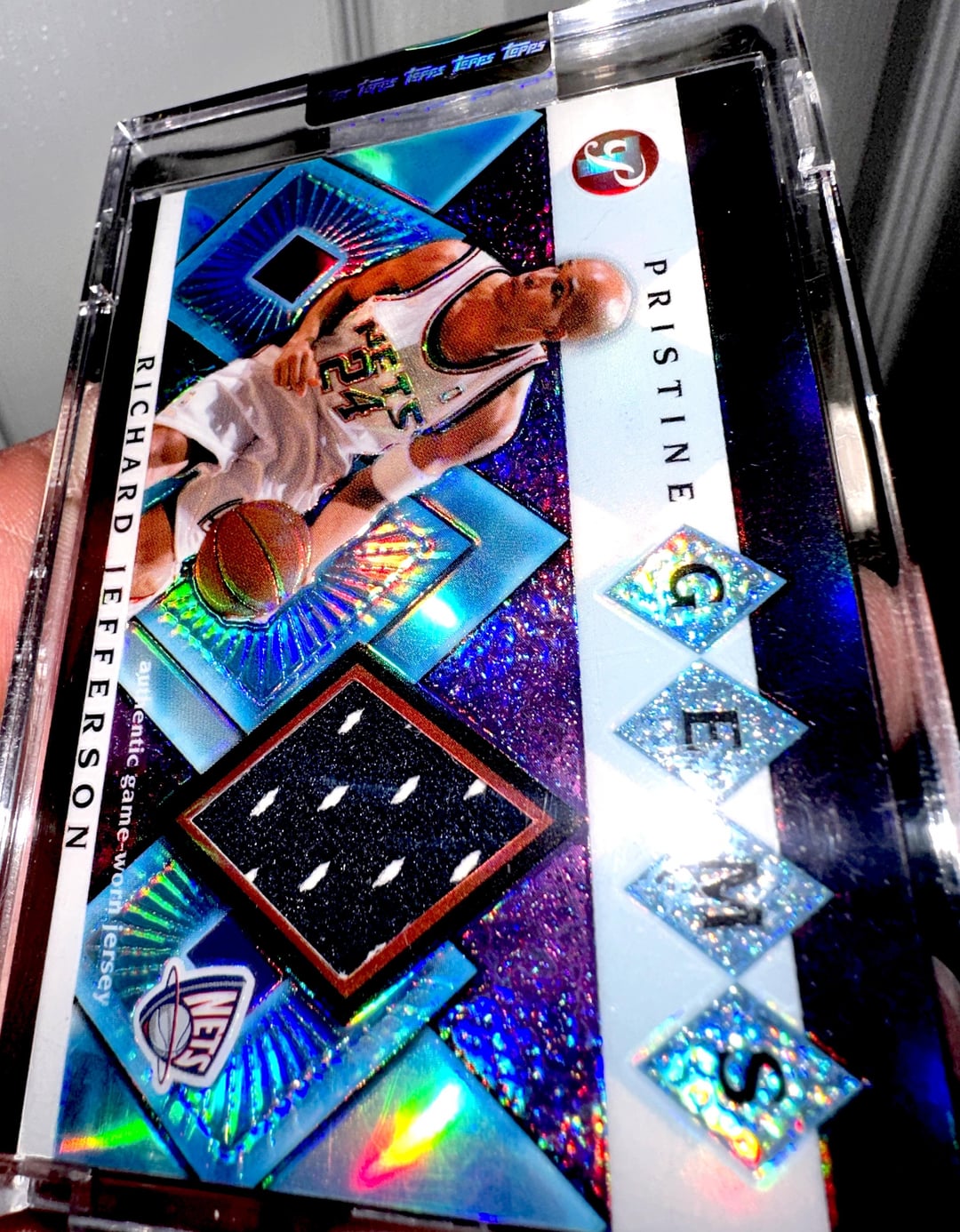
The world of baseball card collecting has always been a blend of nostalgia, investment potential, and the thrill of discovery. Among the myriad brands and series available, Topps Pristine has carved out a distinctive niche, evoking polarized reactions. Some enthusiasts dismiss it as an overpriced folly, while others swear by its unique allure and future promise. To unravel this dichotomy, it is crucial to delve beyond surface impressions and explore the intricate dynamics that make Topps Pristine a subject of fascination within the baseball memorabilia landscape.
The Genesis of Topps Pristine: A Bold Foray into Premium Collecting
Emerging in the early 2000s, Topps Pristine presented itself as an attempt to elevate baseball cards beyond mere tokens to collectible art pieces. Crafted with exquisite materials such as thick, high-quality card stock, chrome-faced surfaces, and embedded memorabilia swatches, this line sought to position itself at the summit of premium sports cards. The visual appeal was undeniable: each card brimmed with vibrancy, glossy finishes, and often numbered parallels that whispered exclusivity.
This deliberate refinement does not come without cost. The production expense and resultant retail price points inevitably thrust Topps Pristine into a higher echelon of the market, one where only the most ardent collectors or investors would dare tread. The question then arises: do these enhancements justify their premium, or are they simply marketing indulgences that inflate prices without proportional returns?
Perceived Overpricing: Critiques and Consumer Skepticism
It is a common refrain within forums and social circles that Topps Pristine is an overpriced product riding on a veneer of luxury. Critics argue that the brand’s scarcity, often manufactured through limited print runs and serial numbering, enforces artificial scarcity rather than true market demand. This, combined with the fluctuating performance of the athletes featured, fuels skepticism regarding long-term value retention.
Moreover, the secondary market for these cards can be volatile. Cards that initially spark fervent bidding wars may later stagnate, leading to disenchantment among investors. This inherent unpredictability feeds into the perception that Topps Pristine is a gamble—one that might yield handsome returns or, conversely, become a costly cul-de-sac. Some attribute this to a broader trend in the sports card industry, where hype sometimes overrides intrinsic worth.
The Allure of Exclusivity and Rarity
Beyond price grievances lies a fundamental magnetism: exclusivity. Human nature is wired to covet what is scarce. Topps Pristine leverages this psychological principle masterfully. Limited-edition prints, autographed relic cards, and unique inserts create an ecosystem where each card is perceived not merely as a collectible but a prized artifact.
This exclusivity extends beyond mere numbers. The tactile experience—the weight of the card, the shimmer of a refractor surface, or the embedded jersey swatch—stimulates a multisensory connection that transcends transactional value. Collectors often describe an intangible satisfaction when holding a pristine gem, a feeling less about market valuation and more about possession of something extraordinary.
Investment Potential: Market Trends and Future Outlook
While the value of Topps Pristine cards can be capricious, the line presents intriguing opportunities for savvy investors. Historical sales data reveals that rookie cards of standout players, especially those with limited parallel cards or rare refractors, have at times outperformed more conventional sets.
However, these rewarding outcomes demand meticulous research and timing. Understanding player trajectories, market cycles, and card grading intricacies is essential. The versatile appeal of Topps Pristine surfaces also means that its cards perform differently across demographics: some appeal to nostalgic older collectors, others to younger speculators chasing breakout stars.
Additionally, emerging trends in the collectibles market—such as increased online trading platforms and graded card marketplaces—have enhanced liquidity. This evolution arguably makes Topps Pristine more accessible and potentially more profitable than it was in its nascent stages. Yet, as with all investments, prudent caution tempers enthusiasm.
The Cultural and Emotional Resonance of Topps Pristine
Beyond monetary considerations lies a deeper, often overlooked layer: the cultural weight carried by these cards. For many, Topps Pristine is a vessel of memory—immortalizing iconic moments, beloved players, and personal milestones within the sport. Cards like these become conduits for storytelling, nostalgia, and identity within baseball’s rich tapestry.
This emotional resonance helps explain sustained fascination despite fluctuating valuations. The brand taps into a human tendency to collect artifacts that represent personal and communal histories. For example, a Richard Jefferson rookie refractor numbered to 25 is not just a card; it is a tangible node in the larger narrative of an era, a player’s ascent, and a collector’s journey.
Challenges and Criticisms: Addressing the Controversies
Not all perspectives cast Topps Pristine in a positive light. The brand faces criticism over its exclusivity being perceived as elitist, rendering it inaccessible to casual collectors on modest budgets. Furthermore, some collectors lament the oversaturation of variations and parallels—a tactic sometimes seen as exploitative, aimed at inflating checklist counts and overwhelming buyers.
Another controversy relates to grading outcomes. Due to the manufacturing materials and production methods employed, some collectors report unexpected grading inconsistencies, leading to disputes in card condition assessments and, by extension, valuation disputes. These complications introduce friction points within the community and raise questions about long-term brand reliability.
The Broader Impact on the Baseball Card Ecosystem
The rise of Topps Pristine underscores an evolving paradigm in baseball card collecting. It marks a shift toward luxury, investment-grade memorabilia, juxtaposed against the traditional mass-market approach that once dominated the industry. This duality has broadened the market scope, creating distinct segments of collectors and speculators.
The brand’s influence also pressures competitors to innovate—whether in card design, materials, or exclusivity mechanics—fueling continual evolution in the hobby. This competition benefits collectors by raising standards but simultaneously complicates buying decisions due to the expanding array of options and modalities.
Conclusion: Weighing Perceptions and Realities
Is Topps Pristine overpriced garbage or a wellspring of hidden gems? The answer resides in a nuanced middle ground. While price premiums and market volatility invite skepticism, the line’s artistic merit, exclusivity, and cultural resonance offer undeniable value. The fascination it commands stems not solely from financial prospects but also from the psychological and emotional investments collectors make.
Ultimately, Topps Pristine exemplifies the complex alchemy of modern sports memorabilia—a fusion of commerce, emotion, and art. For discerning enthusiasts, approaching it with informed appreciation allows one to uncover the gems beneath the gloss and discern the true worth beyond the price tag.