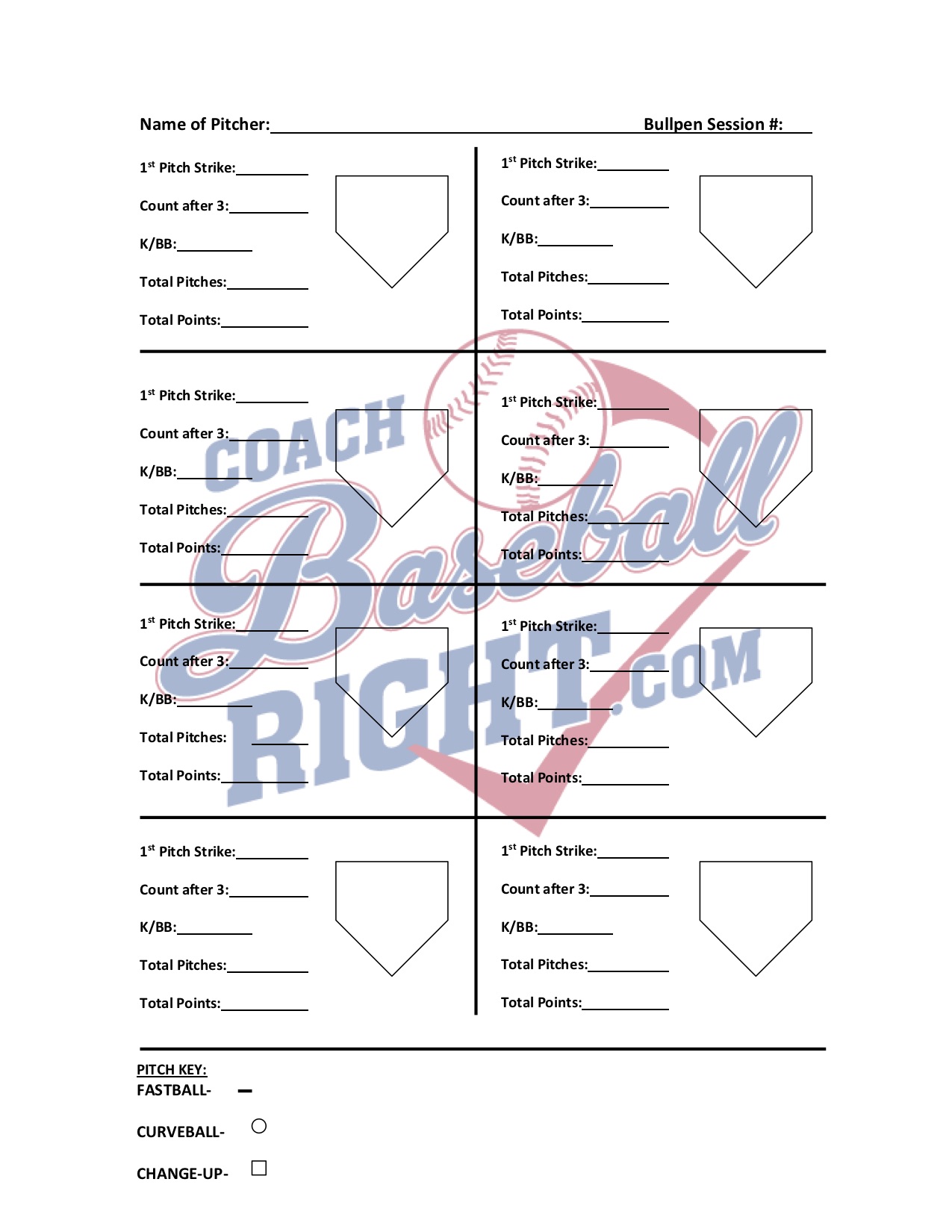
In the intricate dance of baseball, the pitcher stands as both the conductor and magician, wielding the ball like a brush to paint a masterpiece on the canvas of the strike zone. Each pitch is a carefully choreographed movement, a fusion of physics, art, and instinct that can bewilder even the most seasoned batter. Mastering the repertoire of pitches is akin to learning the languages of the wind—each with its own rhythm, whisper, and punch. This guide unfolds the symphony of baseball pitches, illuminating the subtle nuances that turn mere throws into weapons of deception and power.
The Four-Seam Fastball: The Backbone of Velocity
Often regarded as the cornerstone of a pitcher’s arsenal, the four-seam fastball is the thunderclap in the storm. Its allure lies in its simplicity and precision, a blistering beacon flashing directly towards the catcher’s mitt. To unleash this pitch, grip the ball with your index and middle fingers perpendicular to the seams, which appear as four seams spinning towards the batter. The wrist stays firm, creating backspin that stabilizes the ball’s trajectory and enhances velocity. The magical aspect is its straight-line flight, embodying raw power and control. Perfecting this pitch lays the foundation for more complex offerings, establishing respect from hitters and commanding the mound.
The Curveball: The Spell of the Twisting Serpent
In contrast to the four-seam’s aggression, the curveball is the enigma—the twist of the serpent luring the batter into miscalculation. Its deception is born from sharp downward movement, as if the ball’s path were bending reality itself. The grip involves placing the middle finger along the bottom seam with the thumb against the back, coaxing the ball to rotate forward aggressively. The wrist snaps downward at release, creating topspin that causes the ball to dive suddenly. The secret to the curveball’s beguilement lies in its timing and arm angle, both pivotal in masking the pitch until it’s too late. When mastered, it is a psychological weapon, eroding the batter’s confidence and rhythm.
The Slider: The Razor’s Edge
The slider is a subtle assassin, slicing through the strike zone with a lateral break that feels like a whispered threat. Sitting between the fastball and curveball, its velocity creeps close to the former, while its movement leans towards the latter. To conjure this pitch, grip the ball slightly off-center, with the middle finger resting on a single seam and the thumb underneath providing support. The wrist throws a slight pronation—rotating inward—which imparts a tight spin that causes the ball to dart sideways and down. This sudden lateral snap creates an illusion, making the batter chase shadows. The slider thrives in its unpredictability, a blend of speed and movement that curtails solid contact.
The Changeup: The Trickster’s Mirage
Hidden behind the fastball’s blazing velocity lies the changeup, a pitch designed to weave mirages in the batter’s mind. At first glance, the changeup mimics the fastball’s arm action and delivery, but it moves at a sluggish pace, lulling the hitter into bad timing. A common grip involves placing all three fingers across the seams, allowing the ball to slip slowly from the hand. The pitcher’s arm speed remains consistent with the fastball, a crucial element in preserving deception. This slowing of the ball’s velocity without altering the delivery is the pitch’s hypnotic power. Executed correctly, it frustrates hitters, forcing awkward swings and weak contact.
The Sinkers and Two-Seam Fastball: The Dance of the Drop
While the four-seam fastball asserts itself in sheer velocity, the two-seam fastball and sinker play in the shadow of movement and contact manipulation. Both pitches are gripped along the seams, with fingers nestled against the narrower side. Upon release, pronation and wrist pressure cause the ball to exhibit a late, sinking break—sometimes darting inward towards a right-handed batter from a right-handed pitcher. This dive invites ground balls, turning powerful swings into meek taps. The beauty of these pitches lies in their efficiency; they demand less strain to command outs and quietly dismantle hitters with artistry rather than power.
The Knuckleball: The Wild Enchantress
Perhaps the most elusive and misunderstood pitch, the knuckleball defies the conventions of aerodynamics. Its charm is in its unpredictability, floating like a leaf caught in an erratic current. The grip is peculiar, using the fingertips or knuckles to hold the ball without spin. Released with minimal rotation, the ball dances and hops erratically as it approaches the plate, baffling batters and catchers alike. Despite its slow pace, the knuckleball is a psychological weapon, sowing uncertainty and disrupting timing. Throwing it requires finesse and patience, but in the hands of a skilled pitcher, it becomes a captivating enigma that rewrites batter expectations.
Mastering the Mechanics: Foundation of Every Pitch
Beyond individual grips and spins, the essence of pitching lies in the mechanics that fuel consistency and velocity. A strong, balanced stance, fluid stride, and synchronized arm and leg movement create the kinetic chain necessary for effective pitching. Pivoting foot placement and hip rotation accelerate power transfer, while a relaxed wrist facilitates spin and control. Each pitch demands subtle tweaks in release point and wrist action, transforming raw energy into tailored trajectories. The synthesis of these elements is an art and science, requiring discipline, repetition, and body awareness. Without robust mechanics, even the most deceptive pitch loses its potency.
Pitch Selection and Strategy: The Chess Match on the Mound
Throwing every pitch with perfection is an accomplishment, but pitching transcends physical execution—it is a cerebral endeavor. Understanding the batter’s weaknesses, game situation, and even the psychological dynamics at play shapes pitch selection with surgical precision. Fastballs set up breaking balls; changeups counter aggressive hitters; sliders punish chasing swings. Mixing speeds and altering locations keep batters guessing, akin to a grandmaster maneuvering pieces for checkmate. This blend of artistry and tactics transforms each pitch into a calculated gambit, where deception is weaponized and patience rewarded.
The Mental Game: The Invisible Ballplayer
Pitching is as much a mental contest as a physical one. The mound is a stage where confidence, focus, and resilience wield as much influence as speed and spin. Visualizing pitches, anticipating batter reactions, and managing pressure turn the intangible into competitive advantage. The mental game permits the pitcher to adapt mid-at-bat, maintain composure through adversity, and execute precision under fire. Developing this inner fortitude transforms the pitcher from mere ball-thrower into an artist capable of scripting narratives of triumph and mastery.
The panorama of pitching is vast and nuanced, a compelling journey where every pitch tells a story and each throw reshapes the game’s destiny. By embracing the distinct qualities of each pitch, perfecting the mechanics, and engaging both mind and body, the aspiring pitcher wields a powerful toolkit—capable of weaving complexity into apparent simplicity, and turning the mound into a theater of athletic brilliance.