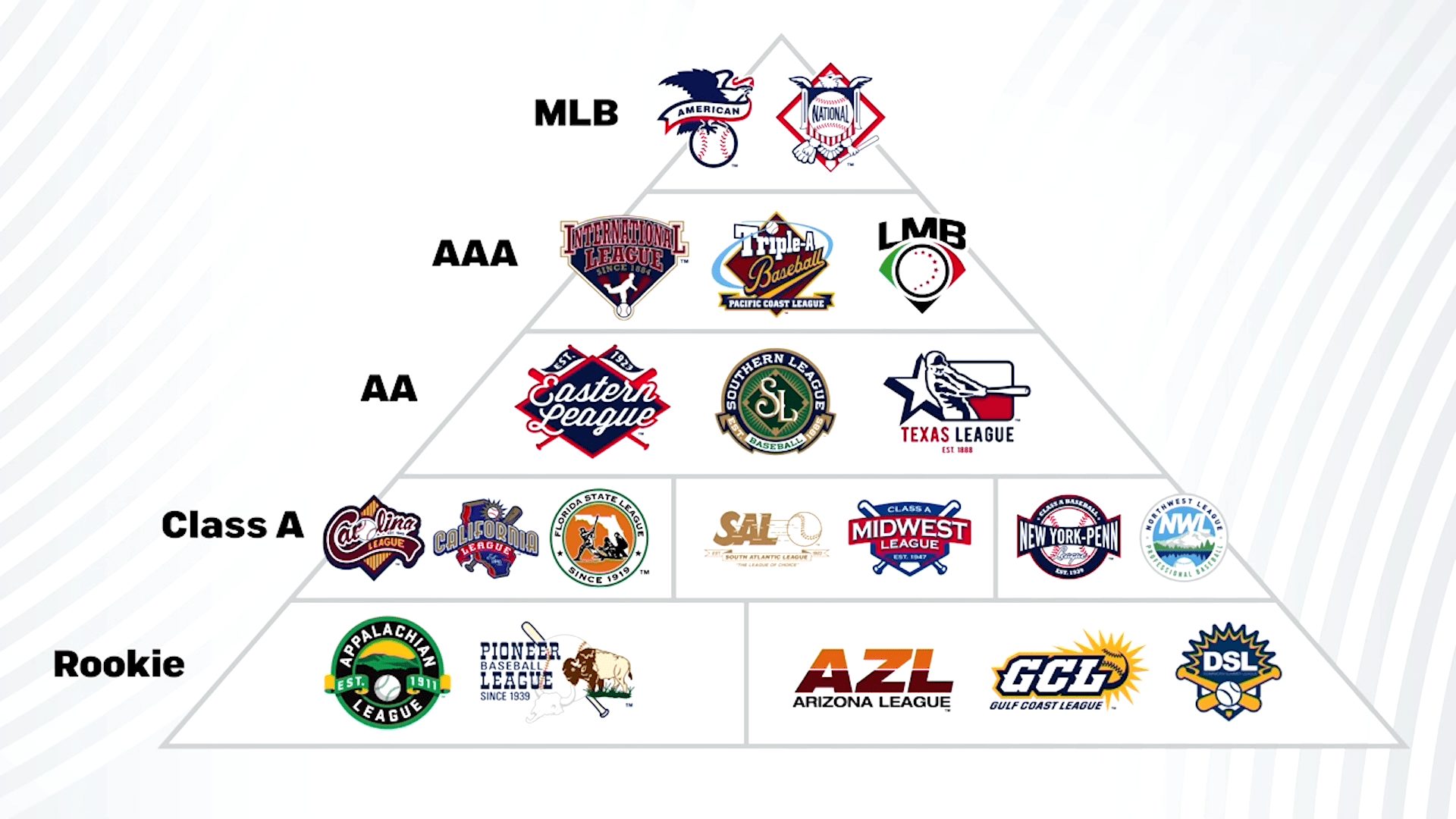
In the realm of professional baseball, where players often bask in the spotlight and secure hefty contracts, the role of the umpire is frequently overshadowed. Behind every fastball, curve, and slider lies the vigilant eye of the umpire—the arbiter of fairness and precision. Yet, how much are these gatekeepers of the game compensated, particularly those stationed in Triple-A leagues, the final proving ground before the Major Leagues? Prepare to have your assumptions challenged as we delve into the intricate world of Triple-A umpire salaries, revealing the nuances and realities behind their earnings.
Understanding the Role of a Triple-A Umpire
Triple-A baseball serves as the pinnacle of minor league competition, where players and umpires alike refine their craft under heightened scrutiny. Umpires at this level are not mere facilitators; they are the embodiment of impeccable judgment, consistency, and resilience. These officials must navigate complex rules, maintain authority in high-stakes environments, and manage the dynamics between impassioned players, managers, and fans. Consequently, the expectation for accuracy and composure is extraordinarily high, positioning Triple-A umpires as crucial cogs in professional baseball’s ecosystem.
A Glimpse into the Salary Spectrum
The compensation of Triple-A umpires often invites intrigue and speculation. It differs substantially from Major League Baseball (MLB) umpires, whose salaries are publicly documented and significantly more lucrative. For many, the financial rewards for Triple-A umpires are surprising, nestled somewhere between modest remuneration and the promise of future prosperity. Typically, annual salaries for these officials range from $30,000 to $50,000, varying based on experience, tenure, and specific league policies.
At first glance, these figures might seem modest, especially when juxtaposed against the extensive travel and demanding schedule required. However, this salary structure reflects the developmental nature of minor league officiating. Many umpires accept these earnings as an investment—a professional apprenticeship—anticipating eventual promotion to the Major Leagues, where the financial compensation dramatically escalates.
Seasonal Employment and Its Impact on Earnings
Unlike year-round salaried positions, Triple-A umpires work predominantly during the baseball season, which spans roughly five months. This limited tenure means their annual earnings are concentrated within this specific timeframe. When broken down to monthly or weekly income, it paints a more intricate picture of their financial reality. The relatively condensed season necessitates additional off-season employment or professional pursuits for many, as the salary alone may not suffice for all living expenses.
This seasonality also contributes to the fluctuating income levels among umpires. Some seize opportunities to officiate in winter leagues, collegiate games, or independent circuits, enhancing both their experience and income. Others may engage in coaching, training, or entirely separate professions during off months. This multifaceted approach underscores the dedication required to sustain a career within the umpiring ranks.
Additional Compensation: Per Diem and Travel Allowances
Beyond base salary, umpires typically receive per diem allowances intended to cover daily expenses such as lodging, meals, and incidental costs during travel. These supplemental payments help offset the financial burden imposed by the demanding travel schedule inherent in Triple-A baseball. However, these allowances vary greatly depending on the league and the umpire’s contract.
Travel stipends, while helpful, do not fully compensate for the rigors of constant movement across cities and states. The cumulative exhaustion and disruption to personal life are intangible costs that accompany the tangible benefits of per diem payments. Recognizing these factors offers a more holistic understanding of what it means to earn a salary as a Triple-A umpire.
Comparison with Major League and Lower Minor League Umpires
To fully appreciate the financial standing of Triple-A umpires, it is essential to contrast their salaries with those of their counterparts in the Major Leagues and lower minor leagues. Major League umpires earn significantly higher salaries, often exceeding $400,000 annually, reflecting their elite status and the scale of the enterprise. The years of experience and proven excellence required to reach this echelon justify the premium compensation.
Conversely, umpires in lower minor leagues earn less than Triple-A officials, often supplemented by minimal per diem allowances. Their salaries can sometimes be barely sustainable, highlighting the sacrifices and challenges faced at each level of professional baseball. The tiered salary system inherently incentivizes performance and perseverance, fostering a gradual ascent through the ranks.
Benefits, Job Security, and Career Longevity
Salary figures for Triple-A umpires are just one facet of their employment package. Benefits such as health insurance, retirement plans, and job security differ markedly from those available to MLB umpires. Typically, minor league umpires have fewer benefits and less contractual protection, which can impact long-term financial stability.
Career longevity at the Triple-A level can be unpredictable. Promotion to the majors is highly competitive and contingent on both performance and vacancy availability. Many umpires spend years navigating this intermediary tier, sharpening their skills while confronting minimal financial rewards and uncertain futures. This dynamic creates a crucible of ambition, resilience, and pragmatism.
The Unseen Rewards Beyond Salary
Despite the financial challenges, umpiring in Triple-A offers non-monetary rewards that profoundly enrich the professional journey. The opportunity to be closer to the Major Leagues, engage with emerging star athletes, and hone critical decision-making skills is invaluable. The respect garnered within the baseball community, coupled with the thrill of officiating at a high level, often compensates for the modest salary.
Moreover, many Triple-A umpires cherish the camaraderie among colleagues and the unique lifestyle that baseball offers, characterized by travel, competition, and tradition. These aspects, while intangible, contribute significantly to job satisfaction and personal fulfillment.
Conclusion: Revisiting Assumptions About Triple-A Umpire Salaries
Delving into the salary structure of Triple-A umpires reveals a nuanced tableau far beyond simple numbers. Their earnings reflect a blend of developmental positioning, seasonal constraints, and the intricate balance between aspiration and reality. While the compensation may not rival that of Major League counterparts, the role embodies professionalism, perseverance, and passion for the game.
Understanding the true earnings of Triple-A umpires reshapes the narrative, inviting appreciation for their crucial role within baseball’s hierarchy. It challenges preconceived notions and underscores that behind every umpired call is an individual navigating a demanding yet rewarding career path. In this light, the Triple-A umpire emerges not just as an arbiter of the game, but as a testament to dedication and the pursuit of excellence.