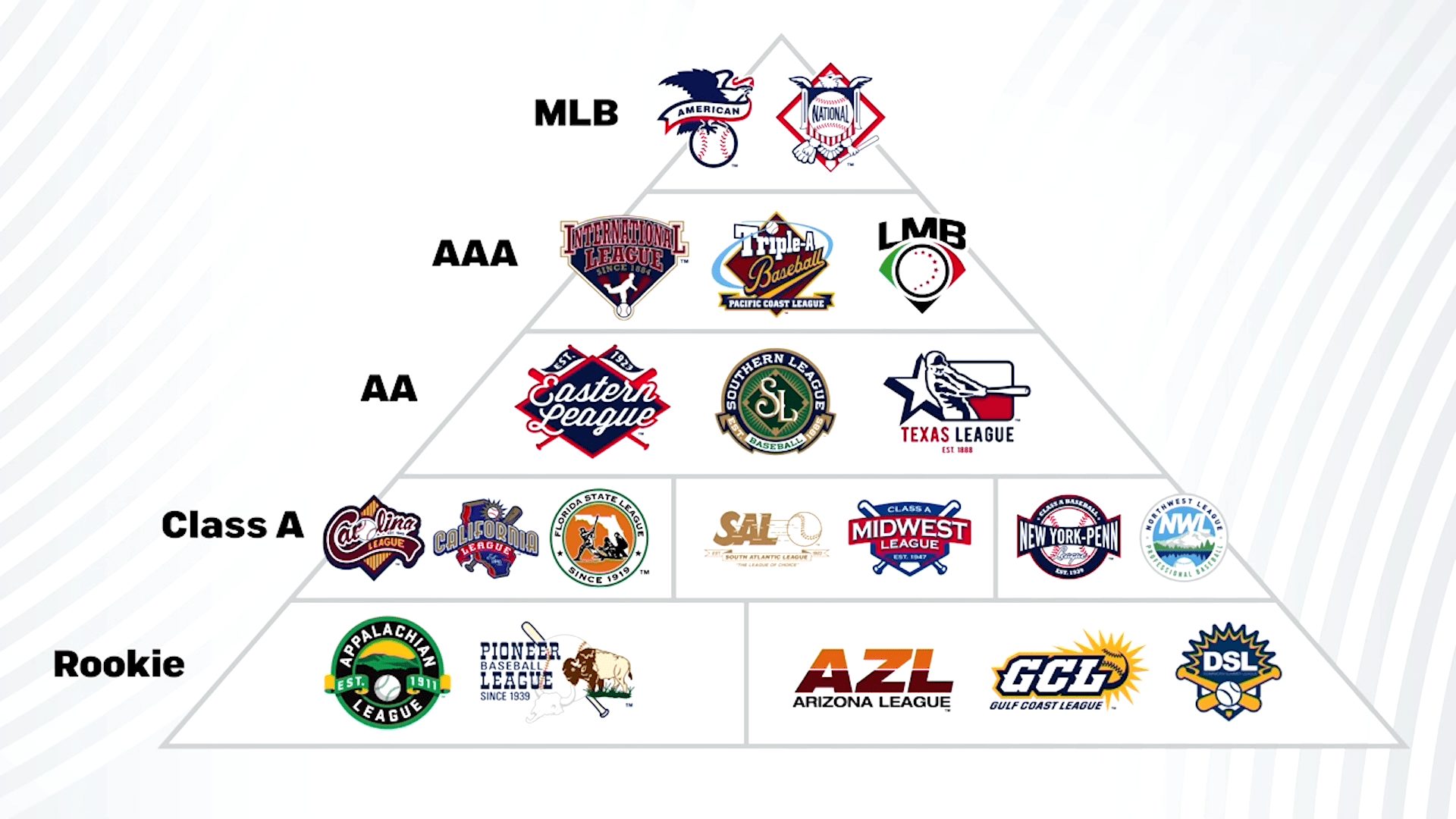
Innings form the structural backbone of baseball, guiding the rhythm and flow of every game played, whether in the Major Leagues or the Minor Leagues. For many fans, especially those newer to the sport, it might be unclear whether the innings in Minor League Baseball mirror those played at the Major League level or if there are subtle, possibly significant differences. Delving into the intricacies of Minor League innings not only unravels this question but also illuminates the unique aspects that differentiate this tier of professional baseball.
The Fundamental Structure of Innings in Baseball
At its core, an inning in baseball consists of two halves: the top and the bottom. In the top half, the visiting team bats while the home team fields. The roles reverse in the bottom half. Each half continues until the defensive team secures three outs. This duo of half-innings culminates in a full inning, forming the fundamental cycle serving as the blueprint for the game’s progression.
Both Major League Baseball (MLB) and Minor League Baseball (MiLB) adhere to this quintessential format, underscoring the universality of the inning as a concept. In both leagues, nine innings constitute regulation play, except during extra innings or special circumstances. This similarity ensures a familiar rhythm and structure, facilitating player development and fan engagement across both tiers.
Minor League Baseball Innings: Are They the Same Length?
Typically, Minor League Baseball games are designed to span nine innings, just as in the Major Leagues. This consistency is instrumental for player development, offering a simulation of the endurance, strategy, and pacing required at the highest level. However, while nine innings remain standard, certain distinctions arise based on league classifications and scheduling requirements.
For instance, some lower-level minor league games, particularly in rookie or short-season leagues, may be scheduled for seven innings rather than nine. This approach helps manage player workload, accommodate seasonal time constraints, and balance travel demands. Despite the shortened format, the integrity of the inning structure—three outs per half-inning—remains intact.
Strategic Nuances within Minor League Innings
The strategic dynamics governing innings in Minor League Baseball can also differ subtly. Given the emphasis on player development, managers may employ innings with a focus on individual growth, experimentation, and evaluation rather than purely on competitive results. This philosophy influences how innings unfold, including pitching changes, batting orders, and defensive alignments.
Additionally, managers often use innings as opportunities to gauge a player’s readiness for advancement, tweaking game situations to test skills under pressure. These strategic tilts may lead to deeper pitching rotations, frequent substitutions, and situational hitting that shape innings differently compared to the Major Leagues’ more result-oriented context.
Extra Innings and Game Length in the Minors
Extra innings occur when a game is tied after the completion of the regulation innings. In the Major Leagues, the traditional format has evolved with the addition of specific extra-inning rules, such as placing runners on base to accelerate scoring opportunities and reduce marathon games.
In Minor League Baseball, the application of extra-inning rules varies across levels and leagues. Some embrace similar runner-on-second-base rules, while others adhere to traditional formats, influencing the tempo and strategic considerations within these extended innings. Moreover, scheduled doubleheaders in the minors often utilize fewer innings per game to mitigate fatigue, which can alter both the number and nature of innings during these matchups.
Experimental and Rule Variations Affecting Innings in the Minors
Minor League Baseball frequently serves as a testing ground for innovative rule changes and modifications, some of which touch upon innings. For example, to expedite game pace or reduce player wear and tear, some MiLB levels have experimented with limits on mound visits or automatic intentional walks.
Though these rules do not directly change the number of innings, they impact how each inning is managed and experienced. Managers and players adjust to accelerated decision-making, which can intensify innings or alter their strategic complexion compared to Major League contests.
Environmental and Logistical Factors Impacting Minors Innings
External variables also affect how innings transpire in Minor League Baseball. Weather interruptions, travel logistics, stadium facilities, and scheduling constraints often necessitate flexible inning guidelines. For example, rain-shortened games might conclude after five innings, counted as official, changing the usual inning expectation.
Furthermore, night games and weekday doubleheaders often prompt adaptations in inning length or pitching rotations, allowing teams to navigate demanding travel schedules and limited resources. These real-world pressures infuse Minor League innings with a layer of pragmatism distinct from the Major League experience.
Player Development and Its Impact on Inning Dynamics
The overriding emphasis on grooming emerging talent alters the very nature of innings in the minors. Young pitchers might face strict pitch counts per inning, leading to frequent substitutions and shorter appearances. Batters in developmental stages might approach innings with an experimental mindset, prioritizing skill refinement over immediate scoring.
This developmental paradigm transforms innings from mere competitive segments into dynamic arenas of growth. Consequently, the pacing and intensity of innings can oscillate substantially within a single game, contrasting with the often uniform and professionally honed innings typical in Major League Baseball.
Visual and Fan Experience Differences Inning by Inning
For the spectator, the minor league inning experience blends familiar baseball rhythms with charming idiosyncrasies. While innings proceed under recognizable rules, games often feature community-driven promotions, spontaneous entertainment, and an intimate atmosphere enhancing each inning’s appeal.
Fans witness innings where raw talent and promising potential unfold, juxtaposed against moments of unpredictability and spirited hustle rarely seen in more regimented Major League contests. This creates a distinct narrative texture with every inning, enriching the viewing experience through variety and human interest.
Conclusion: Unity and Variation in Minor League Innings
Innings in Minor League Baseball are fundamentally aligned with those in the Major Leagues—a shared structure of half-innings capped at three outs, typically spanning nine innings per game. Yet, nestled within this shared framework are nuanced distinctions driven by developmental objectives, scheduling considerations, experimental regulations, and environmental factors.
The result is an inning experience that is simultaneously familiar and unique. Fans and players alike engage with innings that challenge and nurture talent, adapt to practical exigencies, and cultivate a vibrant baseball culture distinct from but connected to the grandeur of the Major Leagues.