The Sacramento Kings’ 1985-forever campaign isn’t just a nostalgic throwback—it’s a mirror held up to the modern MLB landscape, where empty seats whisper louder than cheers. In an era where franchises chase global stardom, the Oakland Athletics’ potential relocation to Sacramento has become a Rorschach test for baseball’s soul. Is this a story of reinvention, or a cautionary tale of a game losing its gravitational pull? The answer lies not in the numbers, but in the echoes between the baselines.
The Ghosts of Candlestick Past: When a Stadium Became a Mausoleum
Picture Candlestick Park in its twilight years—a relic of a time when baseball’s rhythm was dictated by foghorns, not algorithms. The Giants’ tenure there was a masterclass in architectural melancholy, where the wind howled through empty upper decks like a forgotten hymn. Empty seats aren’t just a financial wound; they’re a cultural erasure. They transform stadiums from cathedrals of collective joy into echo chambers of what once was. The A’s, now homeless after decades of nomadic existence, face a paradox: How do you sell a future when the past is a graveyard of abandoned dreams?
The A’s aren’t just a team; they’re a franchise with a mythos stitched into the fabric of the game. From the Bash Brothers’ cannon fire to Moneyball’s data-driven revolution, their story is a palimpsest of reinvention. But reinvention requires an audience, and Sacramento’s baseball DNA is… complicated. The city’s love affair with the sport is a tango with ghosts—its last MLB team, the Sacramento Solons, folded in 1960, leaving behind a legacy of dusty box scores and unfulfilled promises.
The Symphony of the Empty Stands: Why Silence is Baseball’s Most Haunting Melody
There’s a term in acoustics called “dead space”—a void where sound dissipates into nothingness. The A’s in Sacramento risk inheriting a similar void, not in decibels, but in cultural resonance. Baseball thrives on the alchemy of shared experience: the crack of the bat, the communal groan at a strikeout, the collective gasp at a diving catch. Empty seats don’t just mute the noise; they silence the story. They turn the game into a monologue instead of a dialogue.
Consider the psychological weight of this silence. A full stadium is a living organism, pulsing with anticipation. An empty one is a tombstone. The A’s must ask themselves: Will Sacramento’s fans fill the stands with the same fervor as a playoff run, or will they treat the team like a seasonal amusement—something to visit, not to invest in? The difference between a cult following and a ghost town often hinges on whether the team can sell not just tickets, but belonging.
The Ballpark as a Time Capsule: Can Sacramento Preserve the A’s Soul?
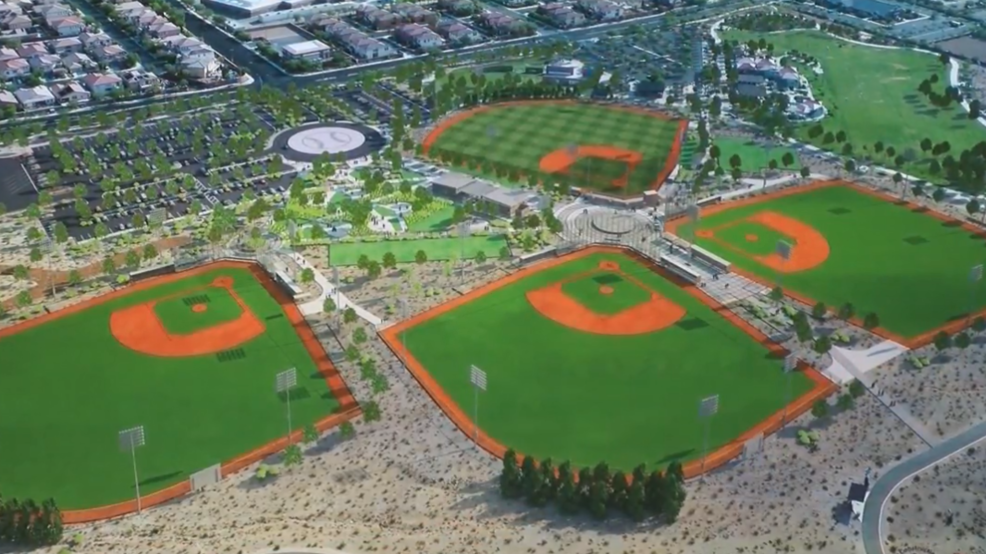
Oakland’s Coliseum is a time capsule of contradictions—a concrete labyrinth where the A’s once played in front of a handful of fans, their cheers swallowed by the vastness. Sacramento’s proposed ballpark, nestled in the heart of the city, promises intimacy. But intimacy requires more than brick and mortar; it demands a narrative. The A’s can’t just be a team that plays in Sacramento—they must become a story that *belongs* to Sacramento.
Baseball’s magic often lies in its ability to tether history to place. Fenway’s Green Monster, Wrigley’s ivy, the ivy’s decaying charm—these aren’t just features; they’re characters in the game’s lore. Sacramento’s ballpark must do more than host games; it must become a stage for the city’s identity. Will it be a retro homage to the golden age of minor-league baseball, or a sleek, modernist ode to the future? The answer will determine whether the A’s are seen as interlopers or stewards of Sacramento’s sporting soul.
The Economics of Absence: When Empty Seats Become a Financial Black Hole
Baseball is a numbers game in more ways than one. Revenue sharing, TV deals, sponsorships—every dollar is scrutinized. But the most insidious cost of empty seats isn’t the lost ticket sales; it’s the erosion of perceived value. When a stadium looks like a mausoleum, sponsors lose faith. Broadcasters question the marketability. The team’s brand becomes synonymous with irrelevance. The A’s have spent years fighting this perception, and Sacramento’s challenge isn’t just to fill seats—it’s to fill them with the right kind of fans.
Minor-league baseball thrives on community. A town’s heartbeat syncs with the crack of the bat. But MLB? It’s a different beast. The A’s can’t rely on nostalgia alone. They need a spark—a player like Rickey Henderson, who electrified Sacramento in the ‘80s, or a manager like Casey Stengel, whose wit could turn a losing season into a sideshow. The ballpark must become a stage for spectacle, not just sport. Think the Harlem Globetrotters of baseball: part game, part theater, all entertainment.
The Fan as the Unsung Hero: Can Sacramento’s Love for Baseball Be Rekindled?
Every empty seat is a missed opportunity for a fan to become a legend in their own right. The kid who catches a foul ball, the retiree who debates strategy with strangers, the family that turns a Sunday afternoon into a tradition—these are the lifeblood of baseball. Sacramento’s challenge is to reignite that passion. It’s not enough to build a ballpark; they must build a culture.
Baseball’s resurgence in cities like Nashville and Las Vegas proves that the game can thrive outside traditional markets. But success hinges on more than location. It requires a fusion of old-school charm and new-school innovation. Imagine a ballpark where fans can watch the game from a rooftop bar, where the seventh-inning stretch includes a local band, where the mascot isn’t just a cartoon but a storyteller. The A’s must become more than a team; they must become a community’s favorite story.
The Final Inning: A Gamble on the Soul of the Game
The A’s in Sacramento is more than a relocation—it’s a litmus test for baseball’s soul in the 21st century. Can the game reclaim its place as America’s pastime, or is it doomed to become a niche entertainment for the few? The empty seats in the image aren’t just a snapshot of a moment; they’re a warning. Baseball’s future isn’t written in the standings; it’s written in the stands.
The A’s have a choice: They can be a team that plays in Sacramento, or they can be the team that *belongs* to Sacramento. The difference will be measured not in wins and losses, but in the echoes of cheers that fill the ballpark on a summer night. The game’s greatest stories aren’t about the players; they’re about the fans who make the magic real. And in Sacramento, the A’s have a chance to write a new chapter—one where the seats are never empty again.