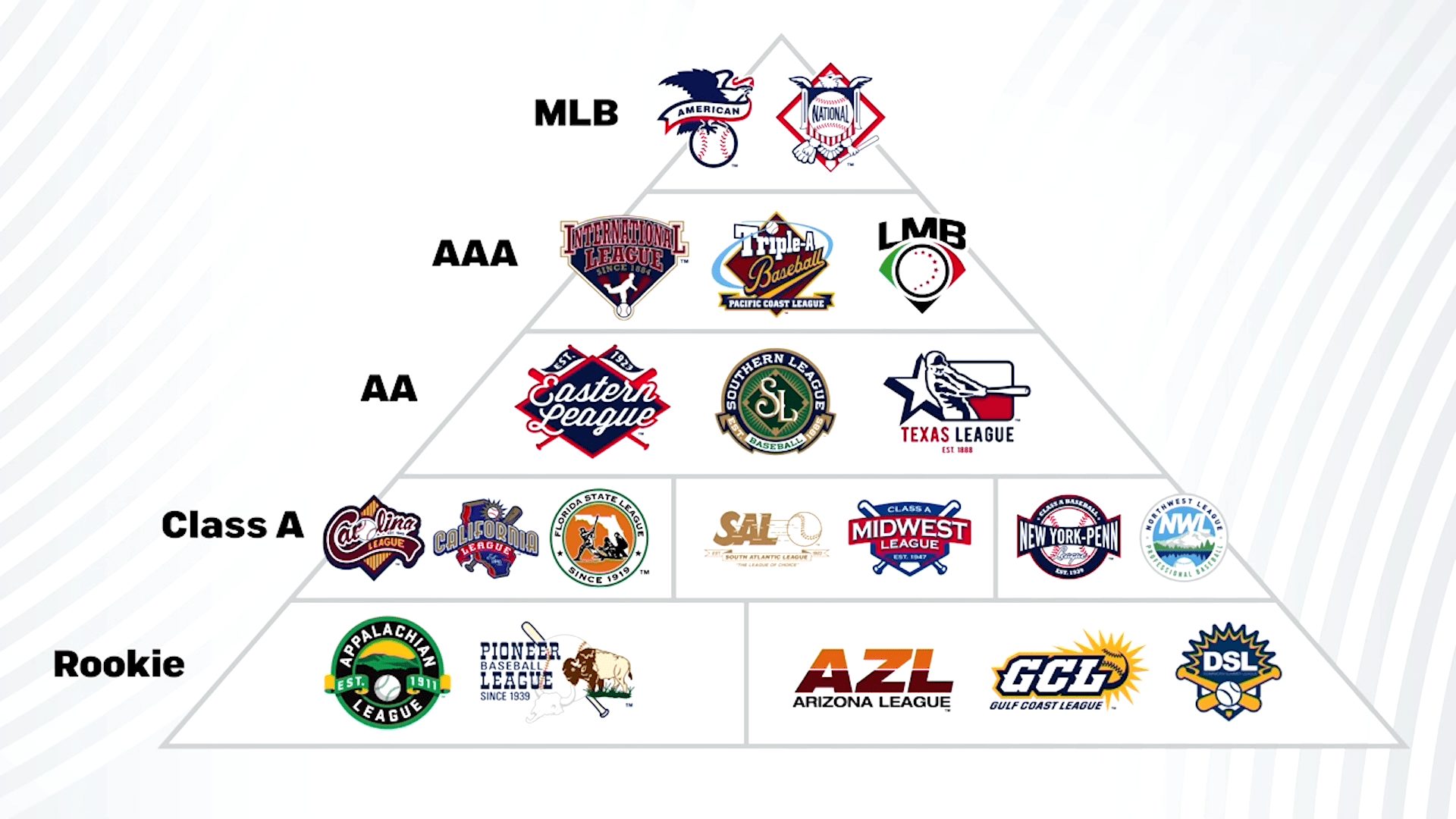
Imagine stepping into a world where time drifts with the languid pace of a river, yet bursts forth with electrifying energy at each crack of the bat. This is Minor League Baseball—a realm that dances to the rhythm of the game’s ineffable heartbeat, distinctively different from its Major League counterpart. While both tiers of professional baseball share the same fundamental structure, the length of a Minor League game unfolds with nuances that enthrall aficionados and casual viewers alike, offering a fresh perspective on America’s pastime.
The Anatomy of a Minor League Baseball Game
In essence, Minor League Baseball games are crafted to mirror the traditional nine-inning structure found in Major League Baseball (MLB). However, the subtle undercurrents steering the tempo result in a duration that often diverges from the expected. The usual Minor League game stretches roughly between 2 hours and 30 minutes to about 3 hours, but this median is underpinned by an intriguing blend of factors that can either hasten or elongate the experience.
Unlike the immaculate and often commercially dense orchestration of MLB contests, Minor League games carry a certain organic fluidity. They reflect the developmental nature of the league—where prospects hone their craft and moments of unpredictability abound. These elements organically affect game length, weaving a narrative that’s less about telecast constraints and more about player growth and fan engagement.
Pitching Dynamics: The Linchpin of Duration
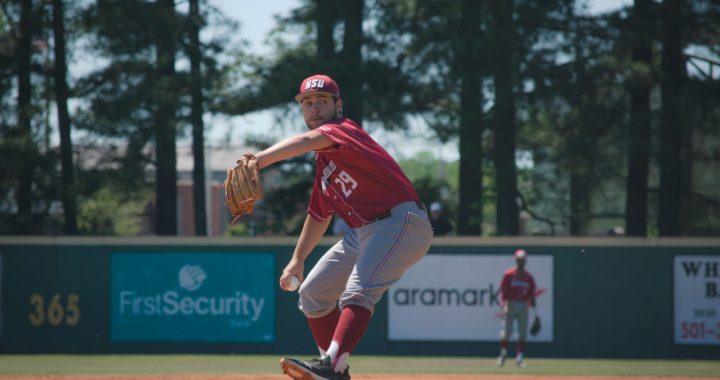
One of the most pivotal components influencing the length of a Minor League game is pitching strategy. In the majors, strict pitch counts and premeditated bullpen usage frequently dictate a brisker tempo. Conversely, Minor League games often showcase starting pitchers working deeper into games, particularly as organizations seek to build endurance and experience.
However, this deeper engagement doesn’t necessarily equate to longer games. The pitching staff’s variances in skill manifest in more frequent pitching changes, mound visits, and time between pitches—all of which contribute subtly but curiously to elongating innings. The delicate interplay of these factors creates a mosaic of game speed that is neither rushed nor artificially prolonged.
Rule Variations: Small Tweaks, Noteworthy Impacts
The Minor Leagues have become a laboratory for experimental rules aimed at quickening the pace and enhancing the spectator experience. For example, the implementation of the “pitch clock” in certain levels imposes a strict timeframe for pitchers to deliver the ball, reducing dead time between pitches. This dose of kinetic energy can shave precious minutes off the total game duration, creating a more engaging cadence without sacrificing the game’s integrity.
Other experimental variations include starting extra innings with a runner on second base to expedite outcomes—a stark contrast to the traditional marathon slugfests familiar to MLB purists. These rules underscore the Minor Leagues’ unique appeal: an evolving entity that preserves baseball’s core while embracing innovation to streamline the spectacle.
The Crowd’s Role: Atmosphere Influences Pacing
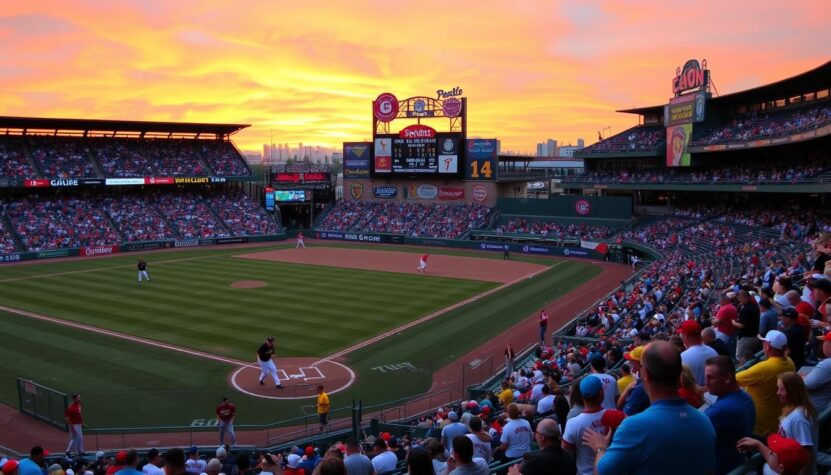
The ambiance of a Minor League ballpark imparts an intangible effect on game length. With smaller crowds and more intimate venues, the experience shifts from a gargantuan spectacle to a communal celebration. Between innings, fans often engage in promotions, games, and local festivities, which can stall the on-field action but enrich the overall outing.
These interludes reflect a dual purpose. They cement the ballpark as a family-friendly arena of leisure and foster a rhythm that oscillates between play and performance. While this may extend the nominal clock time, it adds a layer of charm often absent in the more commercialized major league environment.
Player Experience and Its Subtle Influence
Minor League players are frequently in the infancy of their professional journey, still polishing techniques and mastering mental discipline. This developmental phase can render the on-field pace less consistent. Longer between-pitch pauses, more mound visits by coaches, and cautious baserunning decisions are commonplace. These moments, though minor in isolation, aggregate to affect the game’s temporal footprint.
Moreover, these nuances provide an immediate window into the evolving mastery of players. Each longer inning, every patient at-bat, narrates a story of growth. The fluctuating tempo becomes part of the unfolding narrative, an overture to a promising future where precision and speed will eventually harmonize.
Comparing With Major League Baseball: What’s Truly Different?
At first glance, the expectation is that Minor League games simply run shorter or longer than MLB contests due to fewer commercial interruptions and a less dense broadcast framework. Yet, the reality is more layered. MLB games average around three hours with heavy television breaks, extensive mound visits, and highly tactical play. Meanwhile, Minor League games sometimes evade these interruptions but contend with slower in-game actions caused by developing players and experimental rules.
The MLB experience is akin to a meticulously choreographed ballet—every movement calculated and polished. In contrast, a Minor League game is like an improvised jazz performance—sometimes tentative, occasionally sprightly, but always rich with possibility and unique character. This duality in pacing reflects the distinct aims of the leagues:
- MLB: Deliver a high-stakes, polished, and commercially optimized product.
- Minor Leagues: Foster player development, fan engagement, and flexible experimentation.
The Unique Appeal of Minor League Game Duration
For many fans, the idiosyncratic length of Minor League games is part of their allure. It invites patience and presence, allowing spectators to immerse themselves in the nuances of the game. Here, the spectacle extends beyond the diamond—into the smells of ballpark fare, the chatter of devoted supporters, and the unpredictability of raw athletic development.
This distinctive pacing amplifies the storytelling aspect of baseball. Each pitch holds potential; each inning, a microcosm of endurance and strategy. And beyond these metrics is the unquantifiable—the palpable sense that the game is still evolving, much like the players themselves.
Conclusion: Embracing the Rhythm of the Minors
The duration of a Minor League Baseball game is a living, breathing entity, shaped by an interplay of developmental strategies, experimental rules, and atmospheric charm. While it may occasionally stray from the punctuality of MLB games, this divergence enriches the experience, transforming time spent at a Minor League ballpark into an odyssey of discovery and delight. The unhurried cadence beckons fans to savor the game’s foundational essence—pure, unpredictable, and imbued with the promise of future glory.