When it comes to the hierarchy of minor league baseball, few debates captivate fans and insiders quite like the question: Is AA better than AAA baseball? On the surface, the answer seems straightforward. AAA is the final step before the big leagues, so naturally, it would be superior. Yet, this simplification does a disservice to the nuanced reality embedded within these two levels. Understanding the distinct characteristics, developmental objectives, and player profiles of AA and AAA unlocks a richer, more intricate appreciation of minor league baseball and promises to shift your perspective in unexpected ways.
The Structural Landscape of Minor League Baseball
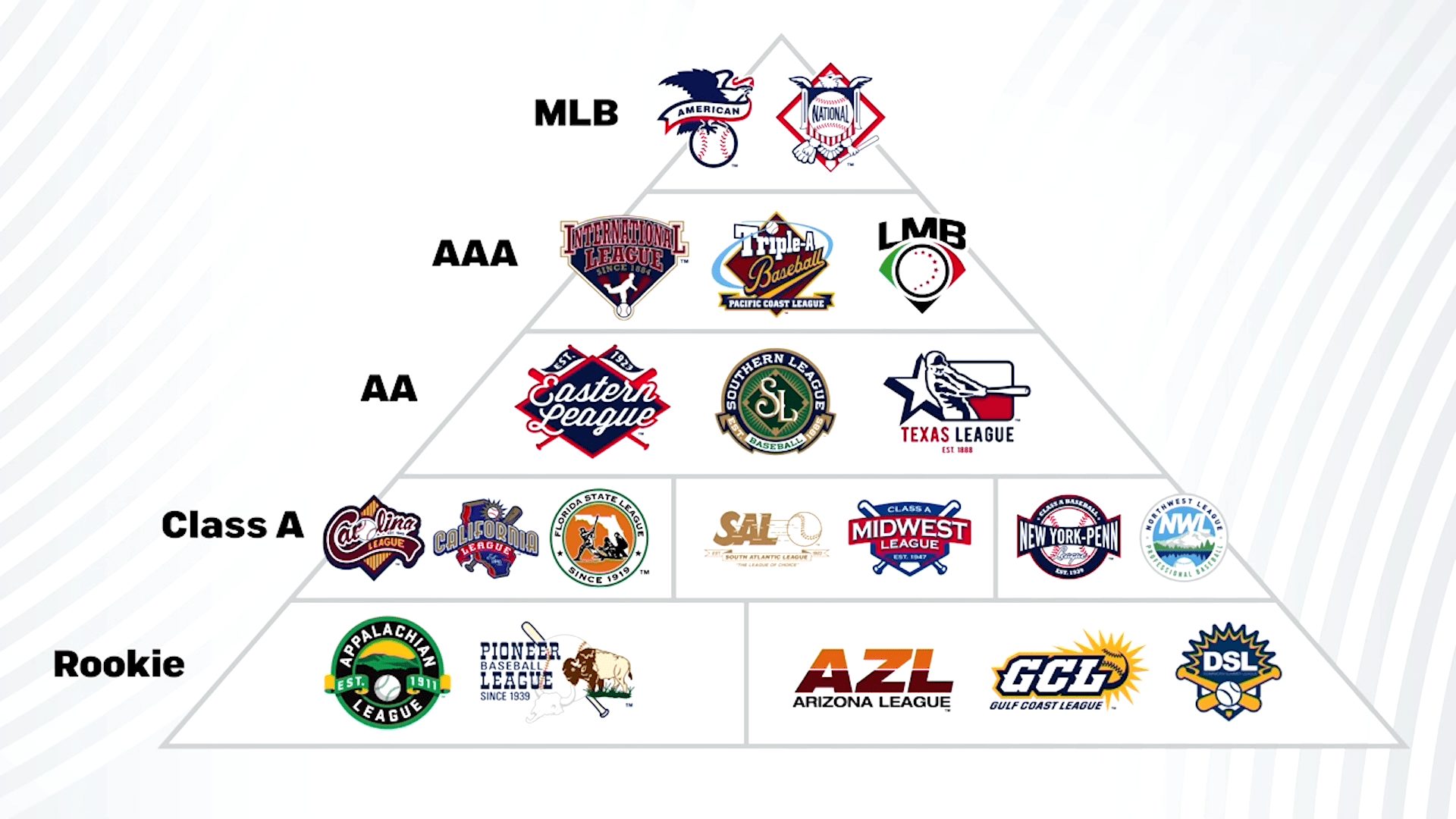
Minor league baseball operates under a layered, intricate system designed not only to entertain but primarily to cultivate talent. At its core, these levels serve as stages where players refine their skills, confront evolving challenges, and prove their worthiness for Major League Baseball (MLB). Positioned one step below the majors, AAA often appears as the pinnacle, a resting ground for the most MLB-ready prospects and seasoned veterans alike. AA, meanwhile, occupies a middle tier, traditionally considered a critical proving ground where raw talent begins to coalesce into polished ability.
But this structural description glosses over the distinct functions and atmospheres that exist between the two. While AAA teams frequently feature players who have tasted MLB action or are veterans aiming for a comeback, AA is brimming with emerging prospects whose offensive, defensive, and physical tools are still evolving at a rapid pace. This dichotomy challenges simplistic hierarchies and raises pivotal questions about what it truly means to be “better” within minor league baseball.
Player Development: A Divergence in Focus and Purpose
Contrary to conventional assumptions that place strictly better talent in AAA, AA baseball often serves as a crucible for developmental experimentation. It is here that the game takes on a strategic and pedagogical nuance, a laboratory for honing fundamentals, refining pitch recognition, and mastering defensive positioning. The rawness and unpredictability of AA play highlight the ceaseless progression of true baseball development.
AAA, by contrast, functions more as a refinement chamber—a place where players shore up the remaining weaknesses and adapt to the rigors of a professional schedule that mirrors MLB in travel, preparation, and intensity. In AAA, the stakes are different; players learn to adjust to nuanced pitching strategies, heightened scouting attention, and the mental demands that accompany proximity to the majors.
This divergence means that while AAA can be viewed as the “higher level” in a traditional sense, AA’s intensity and focus on growth create an equally fertile, though different, environment. In many respects, AA is where potential is still raw and malleable, whereas AAA challenges players to demonstrate consistency and resilience.
Competition and Talent Dynamics
Evaluating the quality of play between AA and AAA transcends simplistic rankings. The talent pool in AA often includes top prospects brimming with untapped ability but still prone to inconsistency. These players have significant upside but are on steep learning curves. Talent fluctuations and raw physicality at this level create contests that are unpredictable and, paradoxically, sometimes more electrifying.
AAA features a different competitive dynamic altogether. Here, the roster might be peppered with veterans, former MLB regulars, and players shuttling between major and minor leagues. The competition is less about raw potential and more about execution, strategy, and mental acuity. The players may have superior polished skills, but their games can also be marred by inconsistency due to the pressure of impending major league opportunities or the frustration of stalled careers.
Consequently, the question of “better” becomes subjective. Is better characterized by raw, burgeoning potential and developmental promise? Or does it reflect seasoned skill, strategic maturity, and positional readiness? Both levels embody these qualities in varying proportions.
Atmosphere and Fan Experience
The experiential aura of AA and AAA baseball also diverges significantly. AA ballparks often exude a grassroots intimacy, where communities embrace emerging prospects, and fans witness the embryonic stages of future MLB stars. The play at this level thrives on its unpredictability, creating a fan experience that is both educational and thrilling.
AAA venues, on the other hand, evoke the ambiance of the majors—larger stadiums, higher attendance, and the palpable sense that this is the “last stop” before the big leagues. This proximity lends a different kind of excitement, situating fans within arm’s reach of tomorrow’s major league heroes. However, this can also affect the atmosphere, as lineups fluctuate frequently with players being called up or sent down, potentially disrupting fan-player connections.
The Evolution of Prospects: A Narrative of Redemption and Ascendancy
In the narrative arc of a professional baseball player, AA and AAA represent more than mere rungs on a ladder. AA is often the crucible where unproven athletes confront their raw talents and embed the indispensable habits of professional play. Many players find their identity here, discovering adjustments that can propel them forward or reflect the limitations of their ceiling.
AAA becomes the stage for redemption and maturation. Here, players may revitalize stalled careers or venture through the final gauntlet before achieving major league permanence. This stage often also hosts players who serve as mentors for younger teammates, adding a layer of leadership and team dynamics often absent in AA.
Each level tells a story of its own—of growth, resilience, hope, and sometimes hard truth. Appreciating these stories enriches our understanding of the minuscule differences that separate AA from AAA, reminding us that “better” is a multifaceted concept deeply intertwined with context.
Conclusion: Redefining “Better” in Minor League Baseball
The question of whether AA is better than AAA baseball defies a neat answer. It challenges fans and commentators to reassess their criteria and embrace complexity. Better, in the context of minor league levels, does not simply mean higher competition or proximity to the majors. It encompasses developmental value, player maturity, competitive style, and even emotional resonance with fans.
AA and AAA serve complementary, yet distinctly vital, roles in the ecosystem of baseball talent cultivation. Rather than perpetuate a hierarchy that blindly crowns AAA superior, understanding the layered purposes and unique attributes of each level invites a richer, more appreciative perspective on the game’s developmental odyssey.
So next time you watch a AA or AAA game, consider the intricate web of factors at play. You might just discover that the truth about minor league levels is far more fascinating than the simple question of which is better.