In the high-stakes world of Major League Baseball, where milliseconds and millimeters dictate outcomes, the generation of torque is a silent architect of power. Yet, the line between explosive rotational force and over-rotation is as thin as the bat’s sweet spot. Torque, in biomechanical terms, is the rotational equivalent of linear force—it’s what transforms a batter’s swing into a thunderous line drive or a towering home run. But when over-rotation creeps in, it’s like a pitcher overthrowing: the effort is there, but the precision falters. This guide dissects the art of generating torque without surrendering to the pitfalls of excessive rotation, blending physics with practical mechanics to refine your swing into a surgical instrument of destruction.
The Physics of Torque: Why It’s the Engine of Power
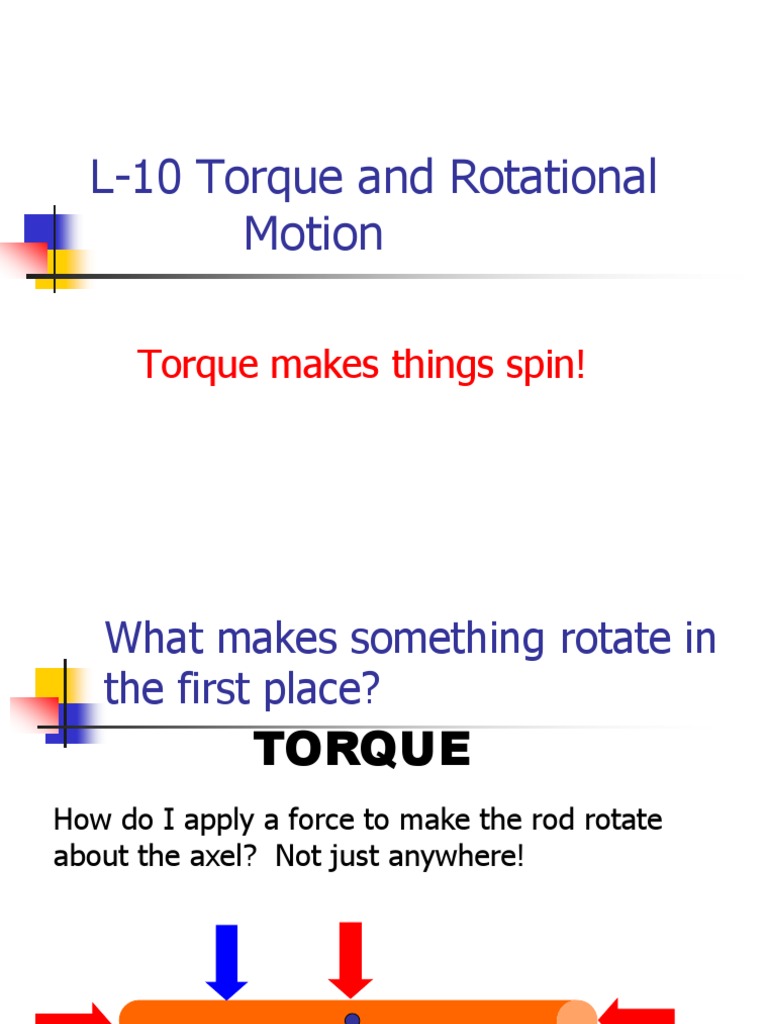
Torque, at its core, is the product of force and the distance from the axis of rotation—think of it as the rotational leverage your body exerts on the bat. In baseball, this axis isn’t a fixed point like a door hinge; it’s a dynamic fulcrum that shifts with your stance, stride, and hip rotation. The key lies in understanding that torque isn’t just about brute strength; it’s about efficient force application. When your hips initiate rotation before your upper body, you create a kinetic chain where each segment accelerates sequentially, like a whip cracking. This sequential acceleration maximizes the transfer of energy from your legs to your hands, culminating in the bat head whipping through the zone at velocities that defy human intuition. The challenge? Preventing this chain from unraveling into a chaotic spin cycle where energy dissipates before it reaches the ball.
Hip Rotation: The Silent Conductor of Torque
The hips are the unsung heroes of torque generation, acting as the bridge between ground force and upper-body rotation. A common misconception is that power originates in the arms or shoulders, but elite hitters know better. The hips generate up to 50% of a swing’s rotational force, their rotation dictating the tempo and direction of the entire kinetic sequence. To harness this power without over-rotating, focus on controlled lateral drive—a slight forward shift of the lead hip as you stride, followed by a rapid inward rotation. This isn’t a full turn; it’s a pivot, where the back hip drives forward while the front hip resists, creating a torsional spring that snaps back into the swing. Over-rotation occurs when this pivot becomes a full 180-degree spin, turning your lower half into a merry-go-round instead of a catapult. The fix? Keep your front foot planted slightly longer, allowing the back hip to lead the charge without dragging the upper body into a tailspin.
Upper Body Mechanics: The Art of Delayed Gratification
While the hips set the rotational engine in motion, the upper body is the transmission that dictates when and how that power is delivered. The critical principle here is sequential acceleration—delaying the rotation of the shoulders and arms until the hips have fully engaged. This delay, often called the “stay back” position, ensures that the kinetic chain remains taut, like a bowstring drawn to its limit before release. When hitters over-rotate, they often rush this sequence, causing the shoulders to fire prematurely and the arms to become passive bystanders in the power delivery. To avoid this, visualize your upper body as a coiled spring. As the hips rotate, the torso should resist slightly, storing energy before unleashing it in a whip-like motion through the shoulders and arms. The result? A bat that accelerates through the zone with the velocity of a freight train, rather than a slow-motion pirouette.
Bat Path and Plane: The Geometry of Torque Efficiency
The path the bat takes through the zone is where torque meets precision. A steep, upward bat path might generate torque, but it often leads to pop-ups and weak contact. Conversely, a completely level swing sacrifices the upward force needed to lift the ball. The optimal bat plane is a slight upward angle—think of it as a shallow arc that allows the bat to stay in the zone longer while still generating torque. This plane is dictated by your hand path, which should follow a compact, circular route from the load position to the contact point. Over-rotation in the bat path occurs when the hands drift too far outside the optimal plane, creating a loop that wastes energy and reduces bat speed. To refine your bat path, focus on keeping your hands inside the ball, with the knob of the bat pointing toward the catcher at contact. This ensures that the torque generated by your lower body is transferred efficiently to the barrel, maximizing both power and control.
Load and Stride: The Foundation of Controlled Torque
The load and stride are the setup for torque generation, yet they’re often overlooked in favor of flashier mechanics. The load—the backward coil of the upper body—is where potential energy is stored, like a pitcher winding up before delivering a fastball. The stride, meanwhile, is the first step in translating that stored energy into rotational force. A common error is over-striding, which not only disrupts balance but also prematurely commits the lower body to rotation, robbing the swing of its kinetic chain. Instead, aim for a short, controlled stride that lands softly, allowing the hips to initiate rotation without overcommitting. The load should be a subtle weight shift, not a dramatic hunch that collapses the torso. Think of it as a coiled spring—tight enough to generate power, but not so tight that it snaps before the pitch arrives.
Weight Transfer: The Invisible Force Multiplier
Weight transfer is the silent partner of torque, dictating how force is distributed from the ground up. Elite hitters transfer their weight from the back leg to the front leg in a smooth, continuous motion, ensuring that the rotational force generated by the hips is fully utilized. Over-rotation often stems from a lopsided weight transfer, where the hitter’s weight shifts too far forward or remains stuck on the back leg. To optimize weight transfer, focus on driving off the back leg as the hips rotate, pushing through the ground to create a ground reaction force that propels the upper body forward. This isn’t a jump or a lunge; it’s a controlled push, like a sprinter exploding out of the blocks. The key is to maintain balance throughout the swing, ensuring that the torque generated is directed toward the ball, not wasted in a futile attempt to spin in circles.
Drills and Training: Refining Torque Without Over-Rotation
Mastering torque without over-rotation requires deliberate practice, and there are several drills designed to ingrain the correct mechanics. One effective method is the “tee drill with a focus band,” where a resistance band is attached to the bat and a stationary object, forcing the hitter to generate torque without over-rotating. Another is the “step-back drill,” where the hitter takes a small step back after contact to reinforce the feeling of controlled rotation. Video analysis is also invaluable—filming your swing from multiple angles can reveal subtle flaws in your torque generation, such as excessive hip spin or an early upper-body rotation. Additionally, strength training focused on rotational power, such as medicine ball throws and cable woodchoppers, can enhance your body’s ability to generate and control torque. The goal isn’t to swing harder, but to swing smarter—to make every ounce of effort count.
The Mental Game: Trusting the Process
Finally, the mental aspect of torque generation cannot be overstated. Over-rotation often stems from a hitter’s desperation to generate more power, leading to a loss of rhythm and control. The solution lies in trusting the mechanics. Visualize the kinetic chain—the hips leading, the torso resisting, the arms whipping through the zone—and let your body execute the motion without overthinking. Confidence in your mechanics allows you to generate torque with precision, rather than brute force. Remember, the most powerful swings aren’t the ones that look the most violent; they’re the ones that look effortless, as if the bat is being pulled through the zone by an invisible force. That’s the hallmark of a hitter who has mastered the art of torque without over-rotation.