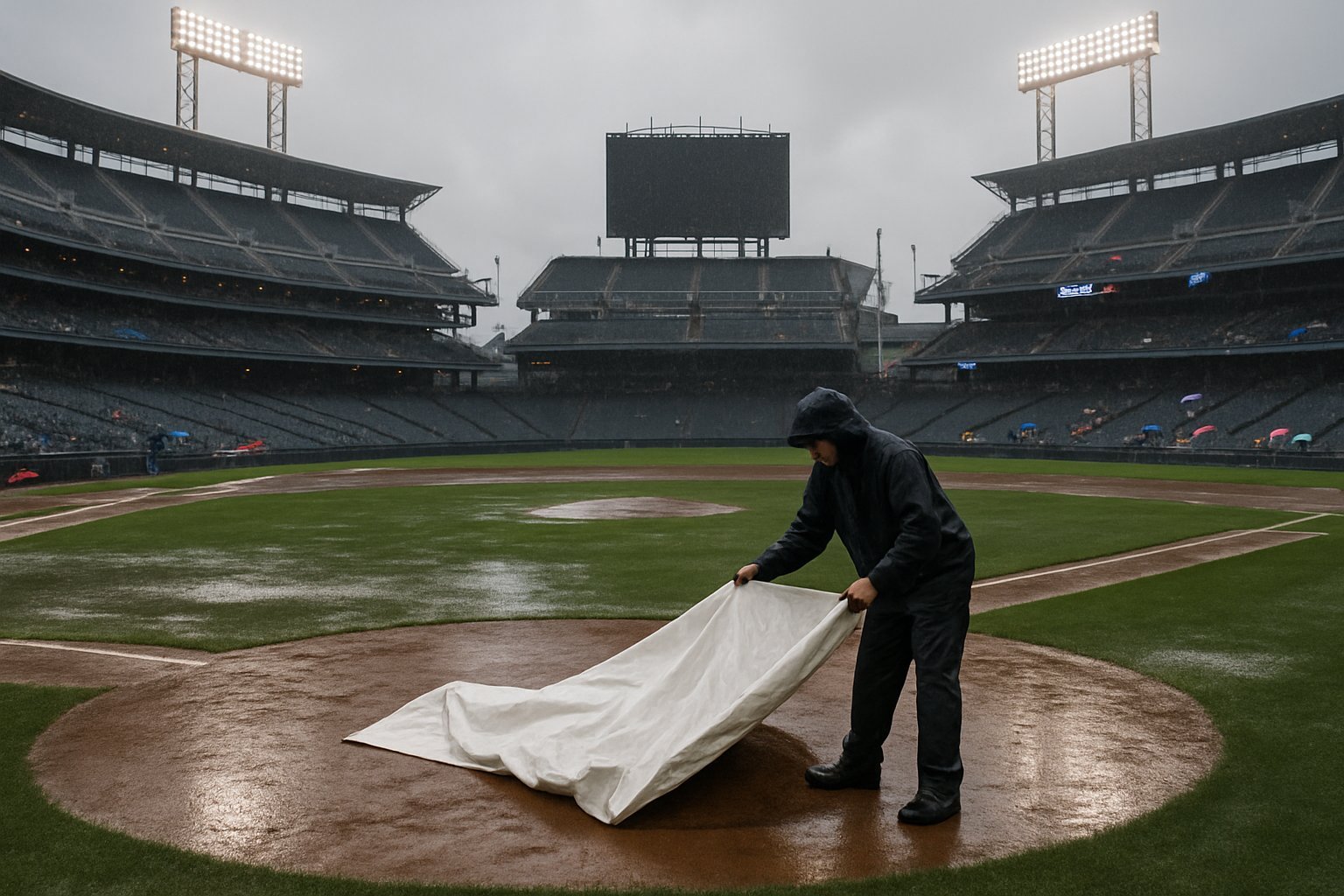
The crack of the bat against a 90-degree afternoon sky is more than just the soundtrack of summer—it’s a symphony of sweat, strategy, and sheer grit. Major League Baseball, where the diamond meets the desert, demands a unique kind of preparation when the mercury climbs. Playing under the scorching sun isn’t just about enduring the heat; it’s about mastering it. From the pitcher’s mound to the batter’s box, every movement becomes a calculated dance with dehydration and fatigue. The game doesn’t pause for the weather, so neither can the players. Whether you’re a seasoned veteran or a rookie stepping onto the field for the first time in triple-digit heat, preparation isn’t optional—it’s the difference between glory and collapse.
The Physiology of Heat: When the Body Becomes the Opponent
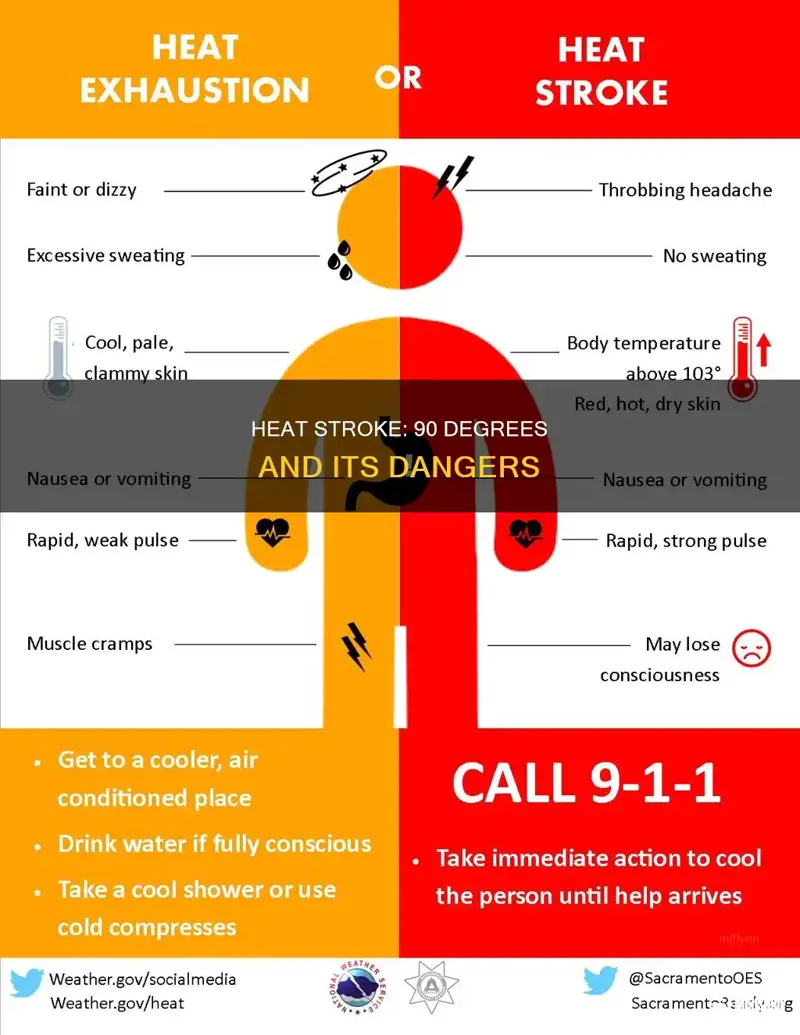
At 90 degrees, the human body isn’t just warm—it’s a furnace fighting to stay cool. Baseball players, draped in layers of uniform and equipment, face a physiological gauntlet. The skin, already stretched taut under the weight of gloves and cleats, becomes a battleground where sweat is the only weapon against overheating. The body’s thermoregulatory system, a finely tuned mechanism, struggles to dissipate heat as the ambient temperature rises. Blood vessels dilate in a desperate attempt to radiate warmth, but the air is too thick, too heavy with humidity, to offer relief.
For pitchers, the challenge is amplified. A fastball thrown at 95 mph generates enough friction to warm the ball mid-air. Add the sun’s relentless gaze, and the seams of the baseball become a heat sink. The pitcher’s arm, already under immense strain, now operates in a sauna. Dehydration creeps in like a silent thief, sapping strength before the first pitch is even thrown. The body’s electrolyte balance becomes as critical as the count on the scoreboard. Sodium, potassium, and magnesium aren’t just nutrients—they’re the linchpins holding together a player’s endurance.
Hydration: The Elixir of Endurance
Water is the lifeblood of performance, but in 90-degree heat, it’s more than that—it’s the shield against collapse. A single game can deplete a player’s fluid reserves by up to 2% of body weight, a seemingly small loss that translates to a 10% drop in performance. The solution isn’t just chugging water between innings; it’s a meticulous hydration strategy that begins 24 hours before first pitch.
Electrolyte-rich solutions, like coconut water or specially formulated sports drinks, become as vital as the bat in a hitter’s hands. The key is balance—too much water without electrolytes leads to hyponatremia, a dangerous dilution of sodium that can cause cramps, nausea, or worse. Players often sip fluids in small, frequent doses, like a marathon runner pacing themselves through a desert. Even the bench players must hydrate religiously, because in the heat, fatigue doesn’t wait for the ninth inning.
The dugout becomes a hydration station, with coolers of ice water and electrolyte mixes strategically placed. Trainers monitor urine color like a hawk, using it as a barometer for hydration levels. Dark yellow? Drink more. Clear as spring water? Perfect. But the real test comes when the game heats up, and the body’s demand for fluids outpaces the mind’s willingness to comply.
Clothing and Equipment: The Armor Against Asphyxiation
The uniform isn’t just a symbol of team pride—it’s a thermal prison. Polyester blends, designed to wick sweat, can trap heat if not properly ventilated. Players often opt for lighter, moisture-wicking fabrics, but even then, the cumulative weight of the gear—helmet, chest protector, shin guards—turns the body into a pressure cooker. The catcher, crouched in the bullpen’s shadow, endures the most brutal conditions, their body contorted into a heat-retaining crescent.
Footwear is another silent adversary. Cleats, designed for traction, become heat sinks, their soles absorbing radiant energy from the turf. Players often rotate between pairs, allowing one set to air out while the other does battle. Some even use cooling towels, draped around the neck or tucked into the jersey, to create microclimates of relief. The helmet, a player’s most sacred piece of equipment, is both a shield and a liability—its dark surface absorbing sunlight like a solar panel.
Even the baseball itself feels different in the heat. The cowhide cover expands slightly, altering its aerodynamics. Pitchers adjust grip, relying on rosin bags not just for tackiness, but for the tactile distraction of the cold, gritty powder against their fingers. Every piece of equipment, from the bat’s grip tape to the pitcher’s rosin bag, becomes a tool in the fight against thermal assault.
Mental Fortitude: The Unseen Ninth Inning
Heat doesn’t just test the body—it invades the mind. The relentless sun bakes the brain, dulling reflexes and clouding judgment. A routine ground ball becomes a treacherous hop. A fastball that usually dances at the knees suddenly feels like a sledgehammer. The mental game, often overshadowed by physical preparation, becomes the final frontier of endurance.
Players employ psychological tactics to combat the heat’s mental fog. Visualization techniques, where they rehearse plays in their mind’s eye, help maintain focus. Breathing exercises, slow and deliberate, counteract the body’s stress response. Some even use mantras—short, rhythmic phrases repeated like a metronome—to anchor themselves in the present moment. The dugout becomes a sanctuary of mental reset, where players retreat between innings to recalibrate.
The heat amplifies every mistake, every misstep. A pitcher’s wild pitch isn’t just a run scored—it’s a psychological wound. A batter’s swing and miss isn’t just an out—it’s a crack in confidence. The players who thrive in the heat are those who treat the sun not as an enemy, but as a rival to be outsmarted. They embrace the discomfort, using it as fuel for their competitive fire.
Strategic Adjustments: Outsmarting the Thermometer
Baseball in 90-degree heat isn’t just about survival—it’s about adaptation. Managers tweak lineups, resting power hitters in favor of contact specialists who can foul off pitches and work the count. Pitchers shorten their outings, relying on bullpen depth to preserve arms in the furnace. Even the defensive shifts adjust, as outfielders account for the ball’s altered flight path in the thick air.
The game slows down in the heat, not because of the players’ will, but because of the environment. A 95-mph fastball loses a fraction of its velocity as it battles the air’s resistance. A fly ball that would normally clear the fence in 380 feet might now fall short, dying in the outfield grass. Teams that adapt their strategies—shifting from power to precision, from speed to situational hitting—gain an edge over those who treat the heat as an afterthought.
The bullpen becomes a chessboard. Managers deploy relievers not just for matchups, but for their ability to handle the heat. A closer with a high pain threshold, who thrives in discomfort, might be called upon earlier than usual. The seventh inning stretch isn’t just a tradition—it’s a tactical timeout, a chance to reset before the final push.
The Aftermath: Recovery as the Ultimate Play
When the final out is recorded and the sun dips below the horizon, the battle isn’t over. The body, pushed to its limits, now demands reparation. Ice baths, compression sleeves, and IV drips become as routine as the post-game handshake. Players monitor their core temperature like a pilot checking fuel levels, knowing that neglect now could mean missing the next series.
Hydration continues long after the game ends. Electrolyte-rich smoothies, packed with antioxidants, replenish what was lost. Sleep becomes a priority, as the body’s repair mechanisms kick into overdrive during deep rest. Trainers track biomarkers—cortisol levels, muscle soreness, hydration status—to ensure players are ready for the next challenge.
The heat leaves its mark, not just in the box score, but in the players’ bodies. Blisters form where equipment chafes. Sunburn peels in sheets. Muscles ache from the constant tension of fighting the elements. But for those who endure, the reward isn’t just a win—it’s the knowledge that they conquered the sun itself.