In the world of Major League Baseball, few moments encapsulate the sport’s quirks and humanity quite like the rain delay interview. These unavoidable pauses in play, caused by the whims of weather, provide a rare glimpse of players in a state of candidness far removed from the polished intensity of the ballfield. Among the many memorable rain delay moments, one archetype has captivated fans and analysts alike: the player who, through subtle cues and outright admissions, reveals that hunger is gnawing at them more fiercely than the delay itself. This intersection of athlete vulnerability and everyday human need adds a layer of relatability and charm to an otherwise frustrating interruption. While it might seem incidental, the “hungry player” rain delay interview has evolved into a cultural phenomenon worthy of deeper exploration.
The Ubiquity of Rain Delays in Baseball
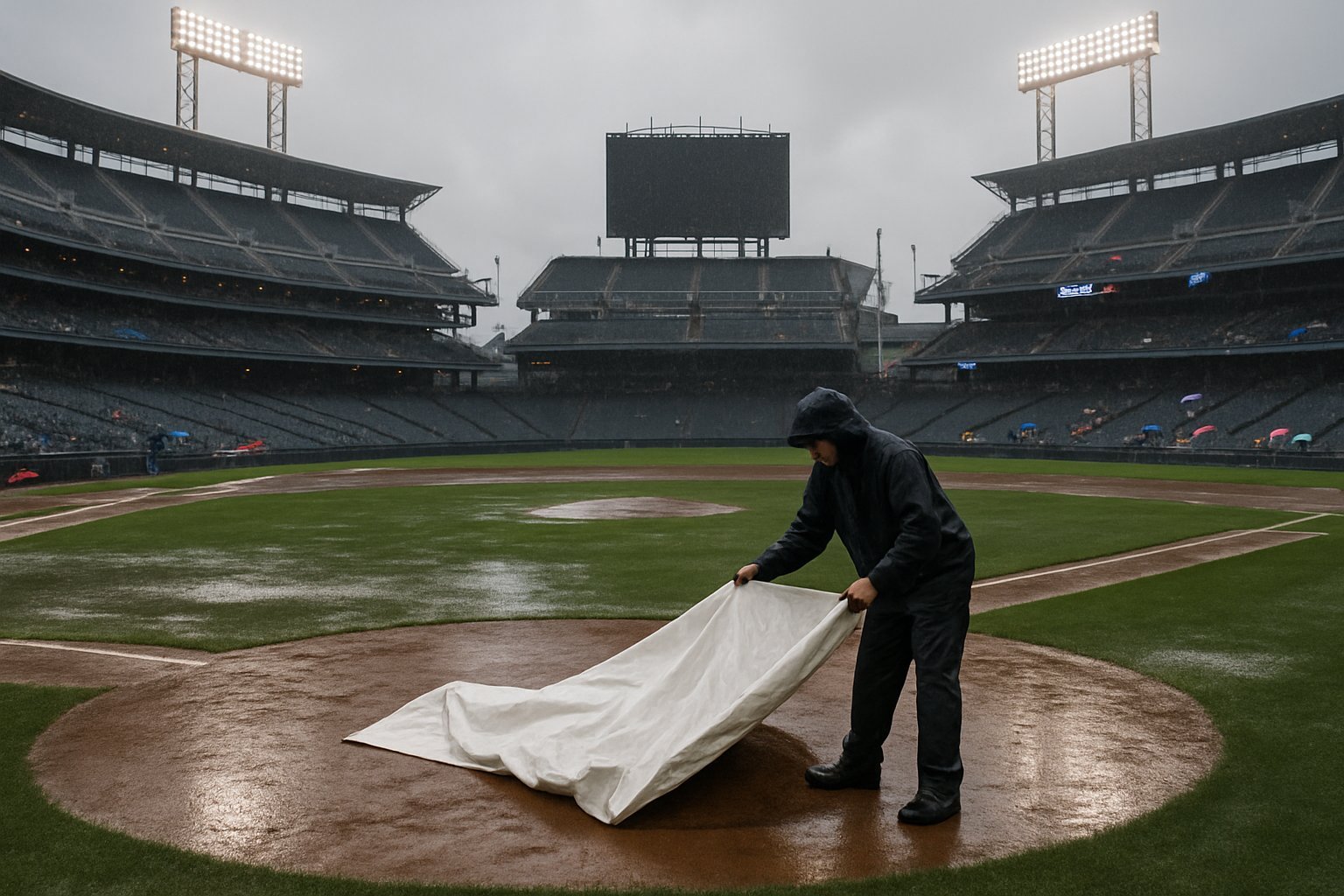
Baseball, often referred to as America’s pastime, is uniquely vulnerable to the elements. Unlike enclosed arenas, ballparks are typically open-air, making games susceptible to rain-induced suspensions. These interruptions vary in length—from brief halts to lengthy waits that test the patience of players and spectators. Rain delays disrupt the game’s delicate momentum, and while fans often grumble about the inconvenience, these moments serve as a rare interlude when players drop their competitive facades. Rain delay interviews have thus emerged as a staple of the broadcast experience, providing unscripted snapshots of the game’s human dimension.
The Anatomy of the Rain Delay Interview
Unlike the highly rehearsed post-game press sessions, rain delay interviews are informal and spontaneous. Players are often caught off guard, speaking without the usual filter. Their body language—often subtle and revealing—betrays their true states of mind. It’s during these moments that the pretense dissolves, leaving behind honest, sometimes amusing or relatable confessions. Among these confessions, the recurring theme of hunger is strikingly prevalent. Whether it manifests as grumbling stomachs, distracted glances toward concession stands, or candid remarks about craving food, these signals have become a hallmark of rain delay interviews.
Why Hunger Becomes the Foreground During Delays
The physical demands of professional baseball are immense. Players expend significant energy during their time on the field, requiring careful nutritional management to sustain peak performance. Pre-game meals are meticulously timed, and in-game snacks are often tailored to individual needs. However, unforeseeable rain delays can disrupt this careful balance, extending playtime and creating unexpected physical demands. The stomach, sensitive to timing disruptions, voices its discontent publicly through the player’s demeanor and words. The hunger visible during rain delays is not merely a trivial complaint; it symbolizes the complex intersection of athletic rigor, biological necessity, and the unpredictability of nature.
The Psychological Dimension: Beyond the Physical Hunger
While physical hunger is the overt concern, there is a psychological layer that deepens the fascination with these interviews. Hunger becomes a metaphor for unfulfilled desire—a craving not only for food but for action, control, and progress within the game. Players stuck waiting for rain to cease may feel a growing sense of impatience and restlessness, which manifests as a literal craving for sustenance. The interviewees’ mention of hunger thus unwittingly echoes broader sentiments of waiting and anticipation experienced by both players and fans. This subtle emotional undercurrent imbues the rain delay interview with poignancy and humor alike.
Audience Connection and Shared Experience
The hunger-revealing rain delay interview resonates powerfully with audiences because it humanizes baseball stars, bridging the gap between athlete and spectator. Fans see their own everyday experiences mirrored in these candid moments—waiting in frustration, grappling with hunger, or seeking distraction during unforeseen delays. This shared grounding strengthens emotional engagement, making the players more accessible and endearing. The interviews illuminate the paradox of professional sports: athletes are extraordinary in skill yet very ordinary in their basic human needs and reactions.
Media’s Role in Cultivating the “Hungry Player” Trope
Broadcasters and social media channels have honed in on this phenomenon, often highlighting and replaying instances when players openly display hunger-induced candidness. This editorial choice fuels a cycle where the trope becomes anticipated and celebrated, adding a layer of entertainment to unfortunate game interruptions. Clips of players discussing their appetite or subtly reaching for snacks have gone viral, evolving from mere byproducts of bad weather into beloved, almost ritualistic cultural artifacts within the sport’s narrative universe. The amplified visibility adds to the mythos surrounding rain delay interviews and the players’ relatable comportment.
Implications for Understanding Player Wellness
Beyond entertainment, these moments invite contemplation of the broader importance of nutrition and wellness in professional sports. The open acknowledgment of hunger spotlights the logistical challenges teams face in maintaining player health during irregular conditions. It also reminds audiences that players’ physical limits and needs are not just managed in standard game scenarios but must adapt fluidly to unpredictability. These glimpses encourage a more nuanced appreciation of athlete preparation and the unseen complexities influencing on-field performances.
Conclusion: The Enduring Charm of the Hungry Player Interview
The rain delay interview where a player’s hunger steals the show stands as more than a quirky footnote in baseball lore. It is a vignette where sport, human physiology, and personality converge, revealing the tender fragility beneath the armor of professional athleticism. This phenomenon invites fans to revel not only in the spectacle of baseball but also in the shared, often overlooked moments of humanity that surface when the sky clouds over and the game pauses. In these unscripted exchanges, spectators find a comforting reminder that even heroes of the diamond are, at their core, simply people whose stomachs rumble as loudly as their passion to play.