There’s a moment in every baseball player’s life when the crack of a fastball meets the tip of a finger—suddenly, pain shoots up the digit like a lightning bolt, and the game slows to a halt. A jammed finger isn’t just a minor inconvenience; it’s a silent saboteur of dreams, the kind of injury that can derail a season if not treated with urgency and precision. Whether you’re a weekend warrior rounding the bases or a major leaguer eyeing the playoffs, knowing how to treat a jammed finger isn’t just about healing—it’s about reclaiming your place in the lineup before the sun rises on the next game.
The Anatomy of a Jammed Finger: Why It Happens and Why It Hurts
A jammed finger isn’t merely a bruise or a sprain—it’s a micro-trauma to the intricate network of ligaments, tendons, and joints that orchestrate every pitch, catch, and slide. When a ball strikes the tip of your finger at high velocity, the force compresses the distal interphalangeal (DIP) joint, often causing hyperextension or lateral stress. The collateral ligaments, which stabilize the joint, bear the brunt of the impact, leading to micro-tears or even partial tears. The pain isn’t just from the initial collision; it’s the body’s alarm system screaming that something is structurally compromised.
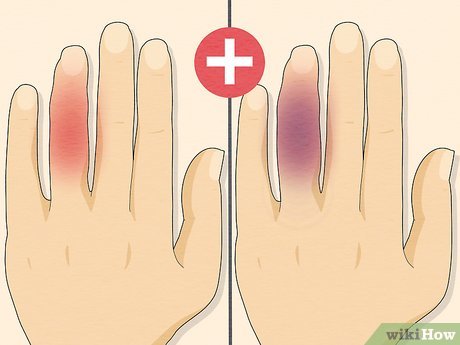
What makes a jammed finger particularly devious is its ability to masquerade as something less severe. The swelling may not peak for hours, and the bruising might not surface until the next morning. By then, the damage has already begun to calcify—literally. Untreated, the body’s repair process can lead to scar tissue formation, stiffness, or even chronic joint instability. For a baseball player, this isn’t just a setback; it’s a ticking time bomb that could explode mid-season.
Immediate Action: The First 10 Minutes Can Make or Break Your Season
The clock starts the moment the ball kisses your finger. Your first move isn’t to shake it off or flex it—it’s to immobilize. Grab ice, not heat. Wrap the finger snugly with a compression bandage, but don’t cut off circulation. Elevate it above heart level to slow the rush of blood that fuels swelling. If the pain is excruciating, don’t tough it out—take an over-the-counter NSAID like ibuprofen to dampen the inflammatory response.
Here’s the counterintuitive part: resist the urge to “test” the finger. Many players instinctively flex or tap the digit to gauge severity, but this can exacerbate ligament damage. Instead, treat the injury as if it’s a broken bone—because, in essence, it might be. If the finger looks deformed, if you can’t fully extend it, or if the pain is unbearable, seek medical attention immediately. A jammed finger that’s left to its own devices can evolve into a full-blown sprain or even a fracture.
R.I.C.E. Protocol: The Four Pillars of Rapid Recovery
The acronym R.I.C.E.—Rest, Ice, Compression, Elevation—isn’t just a catchy mnemonic; it’s the cornerstone of treating a jammed finger with surgical precision. Rest doesn’t mean complete inactivity; it means avoiding any activity that aggravates the injury. That means no gripping a bat, no catching fly balls, and certainly no diving for a line drive. Ice should be applied in 15-minute intervals every hour for the first 24 hours, never directly to the skin. Compression with a cohesive bandage (like Coban) stabilizes the joint while allowing controlled movement. Elevation, especially at night, prevents the finger from becoming a bloated, throbbing appendage by morning.
But R.I.C.E. alone isn’t enough. Enter contrast therapy: alternating between ice and heat (after 48 hours) to stimulate blood flow and accelerate healing. The cold constricts blood vessels to reduce swelling, while the heat dilates them to flush out metabolic waste. For a baseball player, this isn’t just recovery—it’s a strategic maneuver to outpace the body’s natural repair timeline.
Buddy Taping: The Unsung Hero of In-Game Recovery
If you’re determined to play through the pain, buddy taping is your secret weapon. This technique involves securing the injured finger to an adjacent healthy finger (usually the ring finger) with athletic tape or a small splint. The goal is to limit lateral movement while allowing controlled flexion. The key is to tape snugly but not so tight that it cuts off circulation. A properly taped finger can still grip a bat or catch a ball, but the added support reduces the risk of further injury.
Buddy taping isn’t foolproof, though. If the joint feels unstable or the pain intensifies with movement, it’s a sign that the injury is more severe than a simple jam. In that case, taping is a temporary fix, not a long-term solution. For players who can’t afford to sit out, it’s a calculated risk—but one that demands vigilance.
When to See a Doctor: The Red Flags You Can’t Ignore
Not all jammed fingers are created equal. Some heal with time and care; others require professional intervention. Seek medical attention if the finger is visibly deformed, if you can’t straighten it, or if the pain persists beyond 48 hours despite R.I.C.E. and taping. A doctor may order an X-ray to rule out a fracture or an MRI to assess ligament damage. In severe cases, a splint or even a cast may be necessary to immobilize the joint completely.
For professional athletes, the threshold for medical intervention is lower. A jammed finger that lingers can lead to compensatory movements, throwing off your mechanics and increasing the risk of shoulder or elbow injuries. Even if the pain is manageable, a team doctor’s clearance is non-negotiable before returning to play.
Rehabilitation: The Grind Back to Game-Ready Condition
Once the acute pain subsides, the real work begins. Rehabilitation isn’t about rushing back—it’s about rebuilding strength, mobility, and confidence. Start with gentle range-of-motion exercises, like bending and straightening the finger against light resistance. Progress to grip-strengthening drills using a stress ball or rubber band. For pitchers, focus on wrist and forearm exercises to restore the fine motor control needed for a precise fastball.
Don’t neglect proprioception—the body’s ability to sense joint position. A jammed finger can disrupt this internal GPS, leading to clumsy catches or errant throws. Balance drills and light plyometrics can help retrain your neuromuscular system to trust the injured digit again.
Preventing Future Jams: The Art of Defensive Play
The best treatment for a jammed finger is avoiding one in the first place. Wear properly fitted batting gloves with reinforced padding over the fingers. When fielding, use the “soft hands” technique—absorb the impact by slightly retracting your fingers rather than bracing for the catch. For pitchers, a high-quality glove with a well-padded palm can be the difference between a routine out and a season-ending injury.
Strength training plays a role too. Strong forearms and wrists act as shock absorbers, dissipating the force of a collision before it reaches the fingers. Exercises like wrist curls, reverse curls, and finger extensions with resistance bands can fortify the digits against future trauma.
Mind Over Matter: The Psychological Battle of Playing Hurt
A jammed finger isn’t just a physical challenge; it’s a mental one. The fear of reinjury can linger long after the swelling subsides, eroding confidence with every swing or throw. Visualization techniques—imagining the perfect catch or the game-winning hit—can help bridge the gap between recovery and return. For some players, the psychological toll is worse than the physical pain, making mental resilience as crucial as any taping or icing.
Baseball is a game of inches, but it’s also a game of resilience. A jammed finger tests both. The players who bounce back aren’t just those who heal fastest—they’re the ones who approach the injury with discipline, strategy, and an unshakable belief in their ability to reclaim the field.