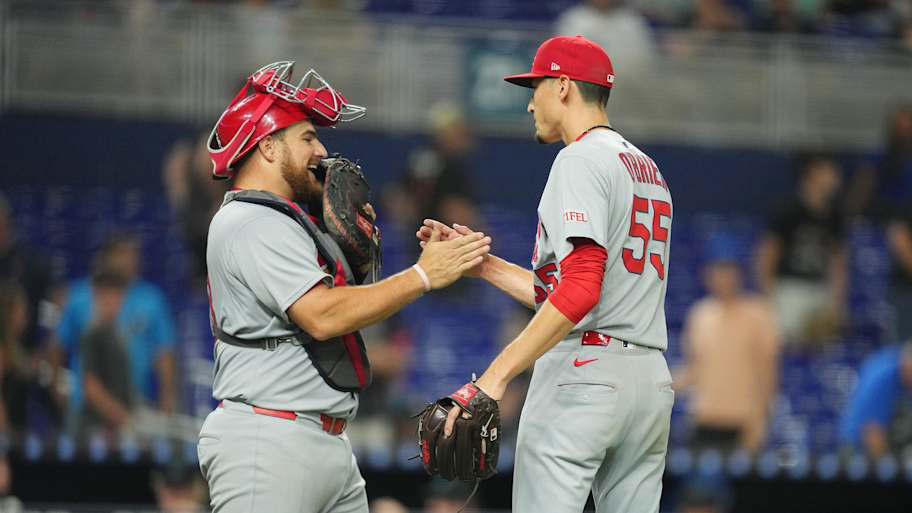
In an era where artificial intelligence infiltrates every corner of modern life—from drafting legal documents to composing symphonies—the world of sports has not remained untouched. The 2024 Major League Baseball season witnessed a peculiar collision of technology and tradition when a disgruntled fan, armed with nothing more than a prompt and a dream, dared to challenge the sanctity of the lineup card. What began as a whimsical experiment—asking ChatGPT to set an MLB lineup—escalated into a full-blown legal spectacle, complete with allegations of negligence, emotional damages, and a courtroom showdown over the soul of America’s pastime. This is not just a story about baseball. It’s a cautionary tale about the limits of AI, the fragility of human intuition, and the unspoken contract between a fan and the game they love.
The Rise of the AI Lineup Architect: A Revolution or a Rebellion?
The modern baseball fan is no longer content with passive consumption. They demand engagement, interactivity, and a voice in the decisions that shape the game. Enter the AI lineup generator—a digital oracle that promises to optimize performance through cold, unfeeling algorithms. Fans, desperate to outsmart their fantasy league rivals or simply prove a point, have turned to tools like ChatGPT, feeding it player statistics, matchup data, and even weather conditions to craft the perfect batting order. But what happens when the algorithm, in its infinite wisdom, places a .210-hitting shortstop in the leadoff spot or bench a three-time All-Star in favor of a platoon player with a .600 OPS against lefties?
The AI’s logic is flawless—on paper. It doesn’t account for the intangibles: the veteran’s locker room presence, the rookie’s clutch gene, or the manager’s gut feeling after a three-run inning. Baseball, after all, is as much about psychology as it is about analytics. When the AI’s lineup underperforms, fans don’t just shrug it off. They sue. And in doing so, they expose a fundamental tension: Can a machine truly understand the heart of the game, or is it merely a mirror reflecting the biases and blind spots of its human creators?
From Simulation to Litigation: The Legal Labyrinth of AI-Generated Lineups
The lawsuit alleging damages from an AI-curated MLB lineup is not as far-fetched as it sounds. In the digital age, where algorithms influence everything from loan approvals to medical diagnoses, the legal system is slowly catching up to the consequences of automated decision-making. Plaintiffs in such cases often argue that AI tools, when used in high-stakes environments like professional sports, should be held to a standard of care akin to that of a licensed professional. If a doctor relies on a diagnostic AI that misidentifies a tumor, they can be sued for malpractice. Why, then, should a fan not seek recourse when an AI lineup costs them a championship in their fantasy league?
Yet the legal waters here are murky. Who is the liable party? The developer of the AI? The platform hosting the tool? The fan who blindly followed its suggestions? Courts have historically been reluctant to extend liability to algorithms, citing their lack of intent or consciousness. But the rise of generative AI—tools that don’t just analyze data but create entirely new outputs—complicates matters further. If ChatGPT “invents” a lineup that never existed in reality, is it merely offering suggestions, or is it practicing unlicensed sports management? The case law is sparse, but the implications are vast. A ruling in favor of the plaintiff could set a precedent for AI accountability across industries, from finance to healthcare. A ruling against them might reaffirm the idea that in the realm of fandom, the only damages worth suing over are those inflicted by the home team’s front office.
The Human Element: Why Baseball Will Never Be a Spreadsheet
At the heart of this controversy lies a deeper, almost philosophical question: Can baseball—with its 150-year history of superstition, strategy, and sheer unpredictability—ever be reduced to a series of data points? The answer, of course, is no. The game thrives on chaos: the curveball that hangs, the blooper that falls, the walk-off grand slam in the bottom of the ninth. AI, for all its computational power, cannot account for the human element—the manager’s late-night scouting report, the pitcher’s adrenaline surge, the rookie’s first taste of playoff pressure.
Consider the case of a hypothetical AI-generated lineup that starts a platoon outfielder over a slumping but experienced corner infielder. The algorithm sees the platoon player’s .850 OPS against right-handed pitching and ignores the fact that the slumping veteran has hit .300 with runners in scoring position over the past month. The AI doesn’t know that the veteran once hit a walk-off homer in the 2019 World Series. It doesn’t care. And when the platoon player grounds into a double play in the seventh inning, costing the team the lead, the fan feels not just disappointment, but betrayal. The AI didn’t just get it wrong—it got it *coldly* wrong, without remorse or explanation.
The Fantasy Sports Paradox: When the Game Becomes the Grievance
Fantasy baseball has long been a proving ground for the intersection of fandom and analytics. What began as a niche hobby among stat-obsessed friends has ballooned into a multi-billion-dollar industry, complete with drafts, auctions, and real-time transactions. But fantasy sports are not just games—they are emotional investments. A fan’s identity is tied to their team’s performance, their bragging rights to their league’s standings. When an AI lineup underperforms, the fan doesn’t just lose a matchup; they lose a piece of themselves.
This is where the lawsuit gains its most compelling narrative. The plaintiff isn’t just seeking monetary damages for a lost bet. They’re seeking vindication for the erosion of trust in the systems that govern their fandom. They’re arguing that the AI, by presenting itself as an infallible oracle, induced them into a false sense of security—one that led to financial loss, emotional distress, and, perhaps most damningly, the realization that their beloved pastime had been reduced to a spreadsheet. In this light, the lawsuit becomes less about baseball and more about the existential threat of automation to human agency. If a machine can dictate the fate of a lineup, what’s next? Will AI soon be drafting contracts, calling pitches, or even umpiring games?
The Broader Implications: AI, Accountability, and the Future of Sports
The implications of this case extend far beyond the diamond. If a fan can successfully sue over an AI-generated lineup, what’s to stop a player from suing an AI scouting tool that misjudges their potential? Or a team from suing an analytics firm that recommends a disastrous trade? The legal landscape is on the cusp of a seismic shift, where the boundaries between human decision-making and machine-generated output blur into obscurity.
Moreover, the case forces us to confront the ethical dimensions of AI in sports. Is it responsible to deploy algorithms that influence real-world outcomes without clear oversight? Should platforms like ChatGPT include disclaimers akin to those on cigarette packages—“Using this tool may result in emotional distress, financial loss, and the erosion of your faith in humanity”? The conversation is no longer theoretical. It’s here, in the courtroom, in the front offices, and in the hearts of fans who refuse to let the soul of the game be outsourced to a server farm in Silicon Valley.
The final irony? The very tool that sparked this legal firestorm—ChatGPT—was designed to assist, not dictate. It was meant to augment human creativity, not replace it. And yet, in the hands of a disillusioned fan, it became the catalyst for a reckoning. Baseball, after all, has always been about reinvention. From the dead-ball era to the steroid era to the analytics revolution, the game evolves. But one thing remains constant: the human element. No algorithm, no matter how sophisticated, can replicate the thrill of a walk-off hit or the agony of a pennant-race collapse. And no lawsuit, no matter how frivolous or profound, can change that.