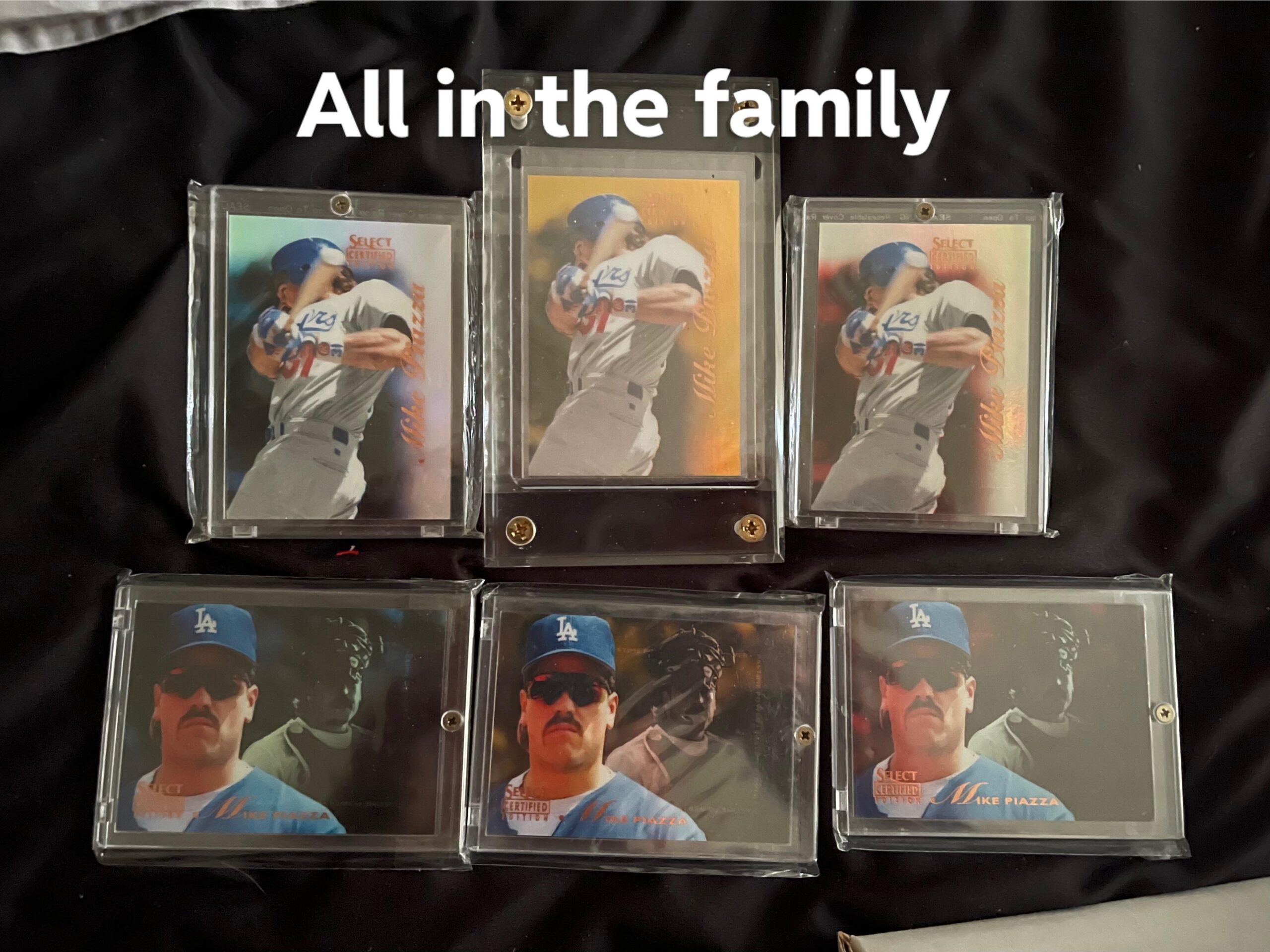
The moment the storage unit door groaned open, a scent unlike any other rushed out—a musty, time-capsuled aroma of cardboard, plastic, and the faintest whisper of nostalgia. It wasn’t just the smell that hit me; it was the weight of history pressing against my senses. Inside, stacked haphazardly like the layers of sediment in a forgotten geological formation, were thousands of baseball cards from the 1990s. This wasn’t just a collection; it was a buried treasure, a relic of an era when the crack of a bat in a sun-soaked stadium felt like the heartbeat of America. The 90s were a golden age for baseball cards, a time when the hobby thrived in the shadows of the steroid era, when every pack held the promise of a future Hall of Famer or a fleeting childhood dream. And now, all of it was mine.
The Allure of the Forgotten: Why 90s Cards Hold a Unique Magic
There’s something almost mystical about the 1990s baseball card market. It was a decade when the hobby ballooned into a cultural phenomenon, fueled by the rise of Upper Deck’s holographic inserts and the sheer unpredictability of the era’s players. Unlike the more curated modern market, the 90s were a Wild West of cardboard chaos—packs overflowed with parallels, refractors, and autographs that felt like buried treasure. The cards themselves were thicker, sturdier, almost architectural in their design. They bore the fingerprints of a time before digital grading, when a card’s value was as much about its condition as it was about the player’s on-field exploits. To hold a 90s card is to touch a piece of history that hasn’t been sanitized by the cold precision of modern collecting. It’s raw, unfiltered, and brimming with the kind of imperfections that make a collection feel alive.
The Smell of Time: A Sensory Journey Through Decades
That first whiff of aged cardboard and plastic was like opening a time capsule. The scent was a cocktail of nostalgia—part attic, part toy store, part the backseat of a car on a summer road trip. It was the aroma of a thousand childhood afternoons spent flipping through stacks of cards, trading doubles with friends, and dreaming of the day you’d pull a Ken Griffey Jr. Fleer Ultra refractor. But it was also the smell of decay, of paper and ink surrendering to the relentless march of time. The 90s cards, with their thicker stock and glossy finishes, had resisted the elements better than their thinner, more fragile predecessors. Yet even they couldn’t escape the inevitable—dust clung to their edges like the ghosts of collectors past, and the plastic sleeves had yellowed with the years. It was a visceral reminder that even the most cherished artifacts are not immune to entropy.
The Thrill of the Unknown: Unpacking a Hidden Trove
As I began to sift through the stacks, the thrill of discovery was intoxicating. Each box revealed new layers of the collection, like peeling back the pages of a long-forgotten diary. There were commons and stars alike, their values obscured by the passage of time and the shifting tides of the hobby. A 1993 Topps Derek Jeter rookie card, its corners slightly rounded from years of shuffling, sat nestled between a 1995 Bowman’s Chipper Jones and a 1998 SP Authentic Barry Bonds. The variety was staggering—sets from Topps, Fleer, Bowman, and Upper Deck all jumbled together in a glorious, chaotic mosaic. Some cards were pristine, their surfaces untouched by the elements, while others bore the scars of a life well-lived. It was a microcosm of the 90s itself: a decade of excess, of boom and bust, of heroes and villains, all preserved in the fragile medium of cardboard and ink.
The Economics of Nostalgia: What’s It All Worth?
Valuing a collection like this isn’t just about checking Beckett’s price guide—it’s about understanding the intangible worth of nostalgia. Some of the cards, particularly the rookies of future Hall of Famers like Greg Maddux or Frank Thomas, could fetch hundreds or even thousands of dollars in today’s market. But the real value lies in the stories they tell. A 1994 Topps Chipper Jones, for example, might not be worth much in raw financial terms, but to the right collector, it’s a portal to a summer afternoon spent playing Strat-O-Matic with friends. The market for 90s cards is a paradox—highly speculative yet deeply personal. Prices fluctuate with the whims of the hobby, but the emotional connection to the era remains constant. For some, these cards are investments; for others, they’re heirlooms. And for a lucky few, they’re both.
The Dark Side of the Hobby: Condition, Grading, and the Illusion of Perfection
Yet for all their charm, 90s cards are not without their flaws. The era’s production methods, while nostalgic, often resulted in cards that were prone to wear and tear. Centering issues, off-center prints, and surface scratches were commonplace, and the thick stock of the decade’s cards made them more susceptible to bending. Modern collectors, raised on the pristine perfection of today’s graded cards, might turn their noses up at a 90s card that’s seen better days. But that’s part of the appeal. The flaws are a testament to the cards’ journey—they’ve been loved, played with, and cherished. They’re not museum pieces; they’re artifacts of a hobby that was as much about the experience as it was about the chase. Grading services like PSA and BGS have done their best to sanitize the market, but there’s something inherently rebellious about embracing the imperfect, the ungraded, the raw.
The Future of the Past: Preserving a Legacy
Now that I’ve unearthed this treasure, the question becomes: what do I do with it? Do I sell it, piece by piece, to the highest bidder? Do I hold onto it, a family heirloom to be passed down through generations? Or do I do something in between—curate a selection of the best cards, frame them, and turn them into a shrine to the 90s? The answer isn’t simple. Collecting is, at its core, a deeply personal endeavor. These cards are more than just pieces of cardboard; they’re time machines, storybooks, and testaments to a bygone era. The challenge now is to preserve their magic without letting them become relics of a dead past. That means proper storage—acid-free sleeves, climate-controlled environments, and perhaps even a digital archive of the collection’s highlights. It means sharing the story of the find, the thrill of the discovery, and the joy of holding history in your hands. Because in the end, the real value of a collection like this isn’t in its monetary worth. It’s in the memories it evokes, the connections it forges, and the way it bridges the gap between past and present.
A Final Pitch: The Timeless Appeal of the 90s Card
There’s a reason why the 1990s remain a golden age for baseball cards. It’s not just the players or the sets or the sheer volume of product that hit the shelves. It’s the feeling of possibility that permeated the era. The 90s were a time when a kid could open a pack and pull a card that would one day be worth a fortune—or at least, that’s what they hoped. It was a decade of unbridled optimism, of heroes who seemed larger than life, and of a hobby that was as much about community as it was about competition. To own a piece of that era is to own a piece of history itself. And whether you’re a seasoned collector or a wide-eyed newcomer, there’s something undeniably magical about holding a 90s baseball card in your hands. It’s a reminder that the past isn’t just something to be studied in textbooks or museums. It’s something to be touched, felt, and cherished—one cardboard rectangle at a time.