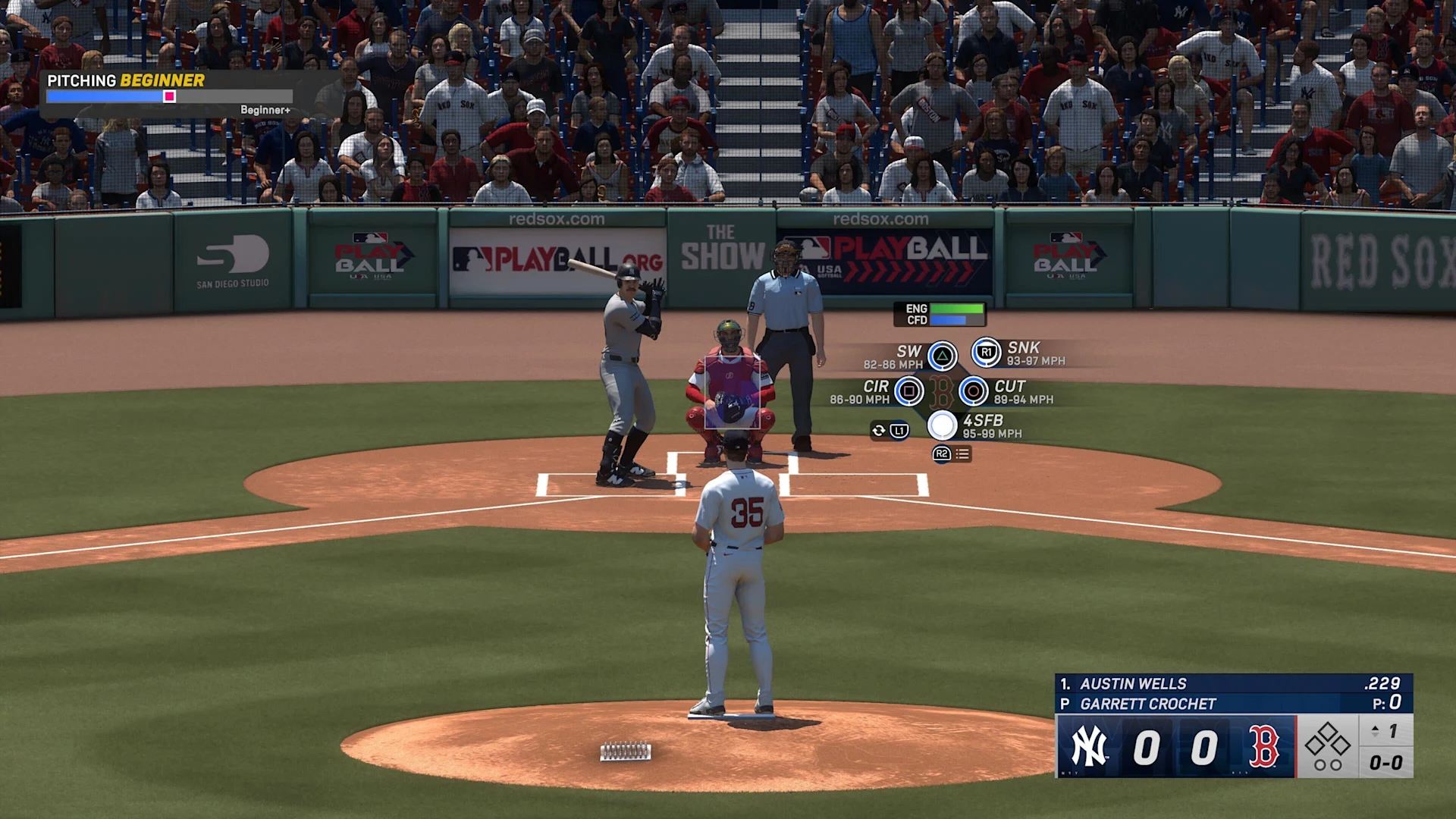
The crack of the bat echoed through the cavernous expanse of the virtual stadium, a sound so crisp it could have been mistaken for the real thing. I stood on the pitcher’s mound, the weight of the game pressing down on me like the humidity of a summer afternoon in St. Louis. This wasn’t just another casual game of *MLB The Show 25*—it was a baptism by fire, a trial by simulated velocity, and I was about to learn the hard way that the digital diamond is just as ruthless as the real one.
The Illusion of Control: When the Simulator Lies to Your Face
At first, the experience felt like a playground. The controls were intuitive, the animations fluid, and the crowd roared with every strikeout I managed. I had spent hours mastering the nuances of pitch sequencing, confident that my virtual arm could bend reality to my will. But then, the first batter stepped into the box. A left-handed slugger with a .320 batting average and a penchant for crushing fastballs up and in. I smirked. I had the perfect pitch to counter him—a high-90s sinker that would induce a groundout. The pitch left my hand with the precision of a surgeon’s scalpel. The batter’s swing was a blur. The ball soared into the stratosphere, clearing the center-field fence with the effortless grace of a home run derby contestant.
It was a gut-punch. A reminder that in this simulator, as in life, the best-laid plans are only as good as the execution—and execution, it turned out, was my Achilles’ heel. The illusion of control shattered. The game wasn’t just testing my knowledge of baseball; it was exposing the fragility of my confidence.
The Physics of Failure: Why Virtual Arms Can’t Lie
What followed was a masterclass in humility. I threw a slider that hung like a piñata. I grooved a changeup that arrived at the plate like a slow-pitch softball. The AI batters, seemingly clairvoyant, adjusted to my tendencies with the ruthlessness of a scouting report. By the third inning, I was down 8-0, my ERA ballooning into the stratosphere while my virtual fastball lost its zip. The simulator’s physics engine, which had once felt like a forgiving partner, now felt like a merciless arbiter of truth.
I began to question everything. Was my pitch selection flawed? Was my timing off? Or was the game simply designed to humble even the most seasoned players? The answer, I realized, was a bit of all three. The simulator doesn’t just replicate the mechanics of baseball—it replicates its unpredictability. A well-placed slider might work nine times out of ten, but that tenth time? It’s a tater to the moon. A perfectly located fastball might be a strike, but if the batter’s timing is impeccable, it’s a line drive into the gap.
The Crowd’s Cruel Applause: When the Virtual World Judges You
The most disconcerting part of the experience wasn’t the scoreboard—it was the crowd. The simulator’s audio design is meticulous, from the crack of the bat to the collective groan of the fans when a blooper falls in for a hit. Every mistake was met with a visceral reaction, as if I were failing in front of thousands of real spectators. The jeers, the murmurs, the occasional sarcastic cheer—it all added up to a psychological pressure cooker. Baseball is a game of mental warfare, and the simulator had just turned the heat up to eleven.
I found myself second-guessing every decision. Do I go with the fastball, knowing the batter is sitting on it? Or do I try the curveball, risking a hangover that could cost me the game? The indecision was paralyzing. In the real world, pitchers have the luxury of experience and instinct to guide them. In the simulator, those instincts were raw, untempered, and exposed for the liabilities they were.
Lessons from the Virtual Trenches: What the Simulator Taught Me
By the time the ninth inning rolled around, I had been shelled to the tune of 14 runs. My virtual ERA was a grotesque 18.00, and my fastball had lost five ticks off its velocity. But in the wreckage of that digital defeat, I found something unexpected: clarity. The simulator had stripped away the distractions of real-life baseball—the weather, the travel, the pressure of scouts in the stands—and left me with the raw, unfiltered essence of the game. Pitching isn’t about perfection. It’s about adaptation. It’s about surviving the storm of failure and emerging with something to show for it.
I realized that the simulator wasn’t just a game—it was a crucible. It forced me to confront my weaknesses, to refine my approach, and to develop a resilience that transcends pixels and polygons. The next time I stepped on that virtual mound, I wasn’t just a player. I was a student of the craft, hungry to prove that I could turn the tide.
The Comeback: When the Simulator Finally Smiled Back
It took time. I adjusted my pitch mix, tightened my mechanics, and learned to trust my instincts again. The next game, I held the opposition to three runs over seven innings. The crowd’s reaction shifted from derision to cautious optimism. The simulator had done its job—it had humbled me, but it had also given me the tools to rise again.
Baseball, whether real or simulated, is a game of ebb and flow. It’s about the highs of a no-hitter and the lows of a 10-run inning. The simulator doesn’t just replicate the action; it replicates the soul of the sport. And if you’re willing to embrace the struggle, it might just teach you something about yourself that no real-world game ever could.