The crack of the bat, the roar of the crowd, the sudden hush when a star player crumples to the ground—baseball is a sport of grace and grit, where every sprint to first base could be a masterpiece or a tragedy. Few players embody this duality as vividly as Ronald Acuña Jr., the electrifying outfielder whose blend of speed, power, and showmanship has redefined what it means to dominate a game. But what happens when the very force that makes him unstoppable—his legs—betray him? The latest whispers in the dugouts and the chatter in the clubhouses suggest that Acuña’s knee, that marvel of biomechanical precision, may be the Achilles’ heel no one saw coming. Is this the moment that could unravel the Braves’ championship dreams, or is it merely another hurdle in the relentless march of a generational talent? The answer, as with most things in baseball, is far from simple.
The Knee in Question: A Delicate Mechanism of Athletic Grandeur
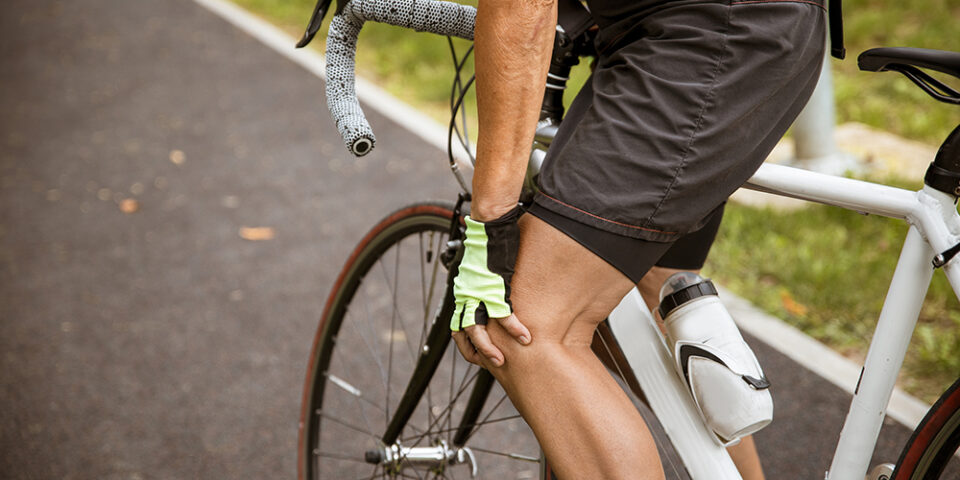
Acuña’s knee isn’t just another joint—it’s a marvel of evolutionary engineering, a hinge that bears the brunt of explosive starts, sudden stops, and the torque of a 95-mph fastball sent into the stratosphere. The anterior cruciate ligament (ACL), medial collateral ligament (MCL), and meniscus work in concert like a well-oiled machine, but when even one component falters, the entire system risks catastrophic failure. Recent imaging and clinical assessments hint at a lingering issue, perhaps a partial tear or inflammation that refuses to dissipate. The Braves’ medical staff, ever vigilant, has likely employed a battery of tests—MRI scans, stress tests, and even 3D motion analysis—to pinpoint the source of the discomfort. Yet, as any athlete will attest, the knee is a fickle beast; it can deceive even the most sophisticated diagnostics. The question isn’t just *if* Acuña is hurt, but *how deep the rabbit hole goes*.
From Speedster to Spectator: The Ripple Effect of ailing Legs
Imagine, if you will, the Braves’ lineup without Acuña’s 70-grade speed, his 40-home-run power, or his uncanny ability to turn a blooper into a walk-off. The absence of such a player isn’t just a statistical void—it’s a psychological earthquake. Opponents who once feared his baserunning antics now see an opportunity to exploit defensive gaps. Pitchers, who once had to tiptoe around the edges of the zone, suddenly have breathing room. The Braves’ vaunted offense, which thrives on chaos and momentum, would grind to a halt. Even the most optimistic fans must confront the unthinkable: Could this be the beginning of the end for Acuña’s 2024 campaign? The Braves, ever the shrewd operators, have already begun contingency planning, with young stars like Michael Harris II and Jarred Kelenic waiting in the wings. But let’s be clear—no replacement, no matter how talented, can replicate the sheer *presence* of Acuña in the batter’s box.
The Braves’ Dilemma: To Rest or To Risk?
Herein lies the crux of the Braves’ conundrum: Do they err on the side of caution, sidelining Acuña for weeks—or months—to ensure a full recovery, or do they gamble on his resilience, pushing him back into the fray before the knee is truly healed? The former approach smacks of prudence, a nod to the long game in a sport where careers are measured in inches and seconds. The latter, however, is a high-stakes gamble, one that could either solidify Acuña’s legend or consign him to a season of diminished returns. History offers cautionary tales: players like Bryce Harper and Mike Trout have battled injuries that lingered like ghosts, their performances forever haunted by the specter of “what could have been.” The Braves’ front office must weigh the immediate pain of losing Acuña against the potential agony of watching him struggle through a subpar season. It’s a decision that could define their legacy in Atlanta.
The Psychological Toll: When the Body Betrays the Mind
Yet the knee’s impact extends beyond the physical. Baseball is as much a mental game as it is a physical one, and Acuña’s psyche may be the most fragile piece of this puzzle. The fear of reinjury is a shadow that lingers over every sprint, every swing, every dive into second base. Even if the Braves clear him to play, will he ever trust his knee again? The mental fortitude required to overcome such doubt is Herculean, and not all athletes possess it. Consider the case of Tiger Woods, whose comeback from multiple knee surgeries was as much about mental resilience as it was about physical rehabilitation. Acuña, for all his bravado, is human—and humans break. The question isn’t just whether he can return, but whether he can return *whole*.
The Fan’s Dilemma: Hope vs. Reality
For the fans, the news is a gut punch wrapped in a silver lining. On one hand, Acuña’s return could spark a late-season surge, a phoenix-like resurrection that cements his place in Braves lore. On the other, the specter of disappointment looms large. Baseball fandom is a rollercoaster of elation and despair, and Acuña’s injury is just the latest twist in an already unpredictable ride. Social media will buzz with hot takes, memes will proliferate, and the 24-hour news cycle will dissect every snippet of information like a vulture on carrion. The fans, ever the optimists, will cling to hope—but hope, as we know, is a fragile thing. It can lift a team to the World Series or leave them drowning in a sea of “what ifs.”
The League’s Reaction: A Domino Effect of Uncertainty
The ripple effects of Acuña’s knee issue extend beyond Atlanta’s borders. The Braves’ division rivals, the Phillies and Mets, must be licking their chops at the prospect of facing a diminished Acuña. Even the Nationals, languishing in last place, might see an opportunity to climb the standings if the Braves’ offense sputters. Baseball is a zero-sum game, and Acuña’s absence—or even his diminished performance—could tip the scales in unforeseen ways. Pitchers around the league will adjust their strategies, knowing that a healthy Acuña is a nightmare scenario, while an injured one is a glaring vulnerability. The league, as a whole, is watching, waiting to see if this is the moment that reshapes the balance of power in the National League.
The Road Back: Acuña’s Path to Redemption
If Acuña does return, it won’t be on a whim. The Braves’ medical staff will demand a rigorous rehabilitation protocol, one that likely includes strength training, mobility drills, and a gradual reintroduction to game action. The minor leagues could serve as a proving ground, a chance for Acuña to rebuild his confidence without the pressure of the big stage. But even then, the road back will be fraught with challenges. The first time he takes a lead-off sprint, the first time he dives for a fly ball, the first time he feels that familiar twinge—will he hesitate? Will he second-guess himself? The answer could determine whether this chapter in his career ends in triumph or tragedy. One thing is certain: Ronald Acuña Jr. is not the type to go quietly into the night. He will fight, he will adapt, and he will return—whether in 2024 or beyond.
The Bigger Picture: What Acuña’s Knee Teaches Us About Modern Baseball
Beyond the Braves and beyond Acuña, his knee injury is a microcosm of a larger trend in baseball: the increasing fragility of its stars. In an era where players are bigger, faster, and more powerful than ever before, the human body is pushed to its absolute limits. The rise of advanced analytics and biomechanical training has extended careers, but it has also exposed the vulnerabilities of athletes who operate at the edge of physical possibility. Acuña’s knee is a reminder that even the most meticulously crafted bodies can fail—and when they do, the fallout is felt far beyond the diamond. It’s a cautionary tale for a sport that increasingly treats its players like high-tech machines, forgetting that they are, at their core, flesh and blood.