In the grand theater of baseball, where the crack of the bat echoes like a sonnet and the infield dirt is a canvas for destiny, the game is as much about the journey as it is about the destination. The crack of the bat is not just a sound; it’s a heartbeat, a rhythm that pulses through the veins of every player and fan alike. Yet, in an era where instant gratification is the currency of choice, the allure of the result often overshadows the beauty of the process. The MLB, with its storied history and timeless traditions, is a masterclass in the art of patience, resilience, and the quiet, unyielding pursuit of excellence. To fall in love with the process is to embrace the grind—the early mornings, the relentless drills, the failures that precede the fleeting moments of triumph. It is to understand that the game is not won in a single swing, but in the cumulative weight of every at-bat, every pitch, every stolen base, and every sacrifice bunt. This is the essence of baseball: a sport where the process is the protagonist, and the result is merely the epilogue.
The Alchemy of the At-Bat: Where Failure and Success Dance in Perpetual Motion
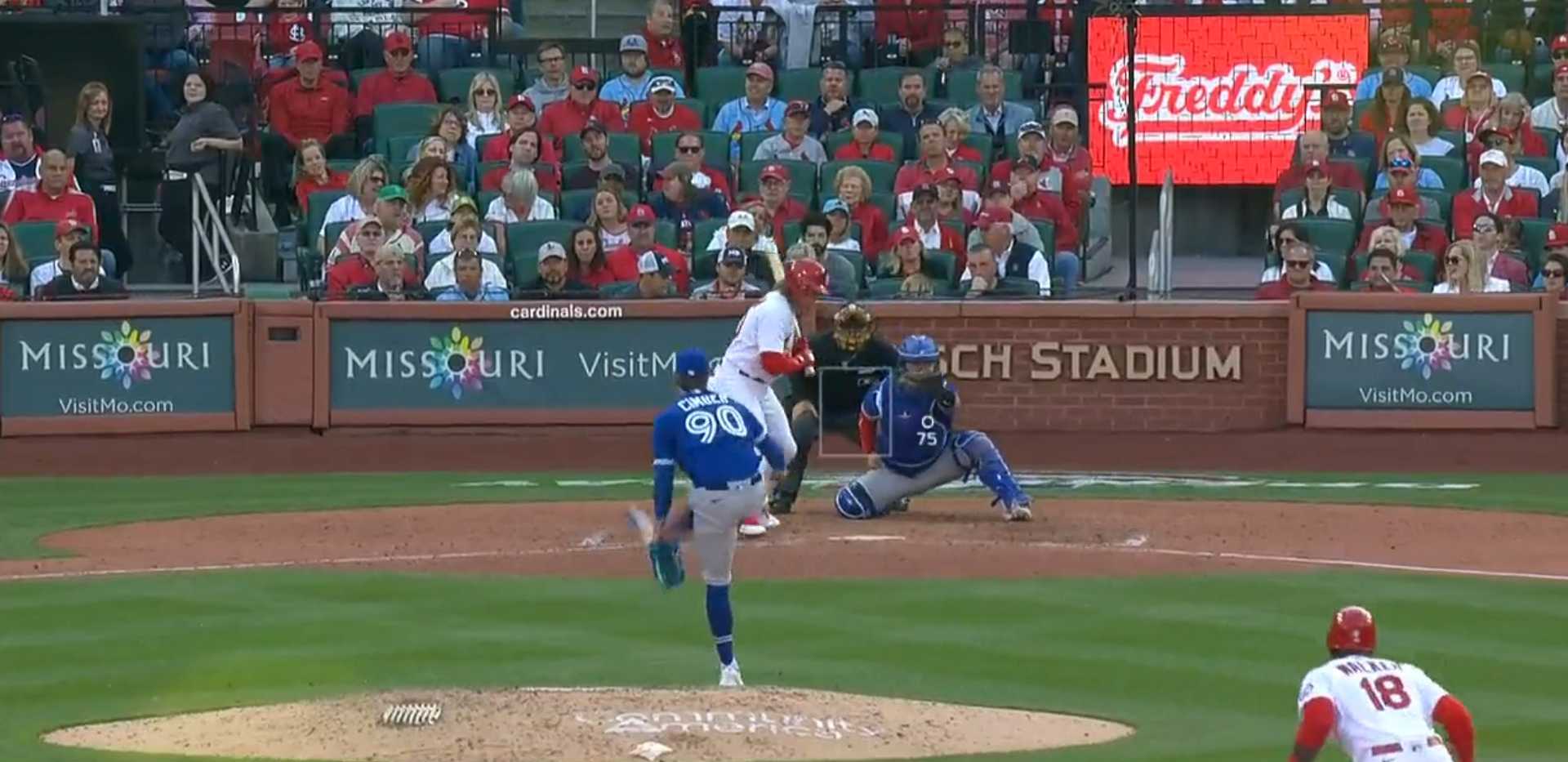
Every at-bat in baseball is a microcosm of life itself—a delicate balance between expectation and reality, between the meticulous preparation and the unpredictable outcome. A batter steps into the box with a plan, a stance honed through thousands of repetitions, and a mindset forged in the crucible of failure. The pitcher, too, is a student of the craft, his arsenal a symphony of velocity, movement, and deception. Yet, no matter how refined the technique, how sharp the focus, or how deep the preparation, the result is never guaranteed. A .300 hitter fails seven out of ten times. A Cy Young-caliber pitcher gives up home runs. This is the paradox of baseball: it is a game of failure, where success is measured in inches and milliseconds.
The magic lies not in the avoidance of failure, but in the embrace of it. Each swing is a lesson, each strikeout a teacher. The process is not about avoiding the dreaded 0-for-4, but about refining the approach, adjusting the mechanics, and trusting the grind. The greatest hitters in history—from Ted Williams to Mike Trout—did not achieve greatness by obsessing over the box score. They fell in love with the ritual: the weight of the bat in their hands, the sound of the ball meeting the sweet spot, the exhilaration of a line drive screaming into the gap. The process is the sanctuary where dreams are nurtured, where the mundane becomes the magnificent, and where the player and the game evolve in tandem.
The Pitcher’s Labyrinth: Crafting a Masterpiece Out of Chaos
If the batter’s journey is a dance, then the pitcher’s is a chess match played at 95 miles per hour. Every pitch is a calculated gamble, a blend of art and science where the margin for error is thinner than the seams of a baseball. The process for a pitcher is a labyrinth of variables: grip, release point, spin rate, pitch sequencing, and the ever-elusive command. A fastball that explodes out of the hand like a comet may be rendered useless if the location is off by a fraction of an inch. A curveball that dips at the perfect moment can be a batter’s worst nightmare—until it hangs in the zone and becomes a souvenir for the bleachers.
The beauty of pitching lies in its Sisyphean nature. No matter how dominant a pitcher may be in one start, the next outing is a blank slate, a chance to refine, to adapt, to conquer anew. The process is not about perfection; it’s about progression. It’s about studying hitters’ tendencies, adjusting the arsenal, and trusting the muscle memory that has been ingrained through years of repetition. A pitcher who falls in love with the process understands that every bullpen session is a brushstroke on the canvas of greatness. The 100-mph fastball is not just a weapon; it’s a testament to the hours spent in the weight room, the bullpens under the sweltering sun, and the mental fortitude to push through adversity. The result—a no-hitter, a Cy Young, a World Series ring—is merely the cherry on top of a meticulously crafted sundae.
The Infield Tango: Where Precision Meets Poetry
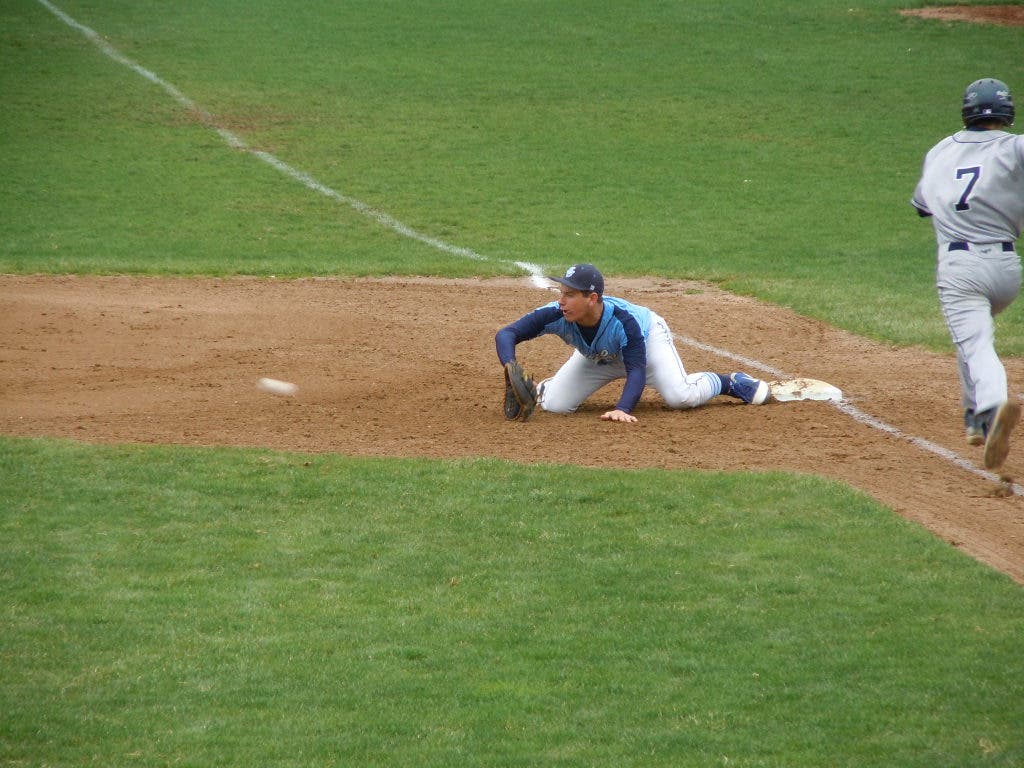
In the infield, baseball’s elegance is distilled into its purest form. The shortstop gliding to his left, the second baseman turning a double play with the grace of a ballet dancer, the third baseman charging a slow roller with the ferocity of a lioness protecting her cubs—these are not just athletic feats. They are poetry in motion, a testament to the hours spent refining footwork, glove positioning, and the split-second decision-making that separates the good from the great. The process of fielding is a symphony of anticipation, reaction, and execution. A ground ball that scampers through the hole is not just an error; it’s a failure to execute the fundamentals with surgical precision.
The infield is where the game’s heartbeat is most audible. The crack of the bat sends the shortstop into a sprint, his eyes locked on the trajectory, his body coiled like a spring. The throw to first base is a ballet of timing and accuracy, where a millisecond can mean the difference between a double play and a runner safe at second. The process is not about the glory of a diving stop or the thrill of a throw that nips a runner at the plate. It’s about the daily grind of ground ball drills, the repetition of footwork patterns, and the mental fortitude to bounce back from a misplayed hop. The result—a Gold Glove, a championship-clinching out—is the culmination of a thousand unseen battles, each one a step toward mastery.
The Bullpen’s Crucible: Where Heroes Are Forged in Fire
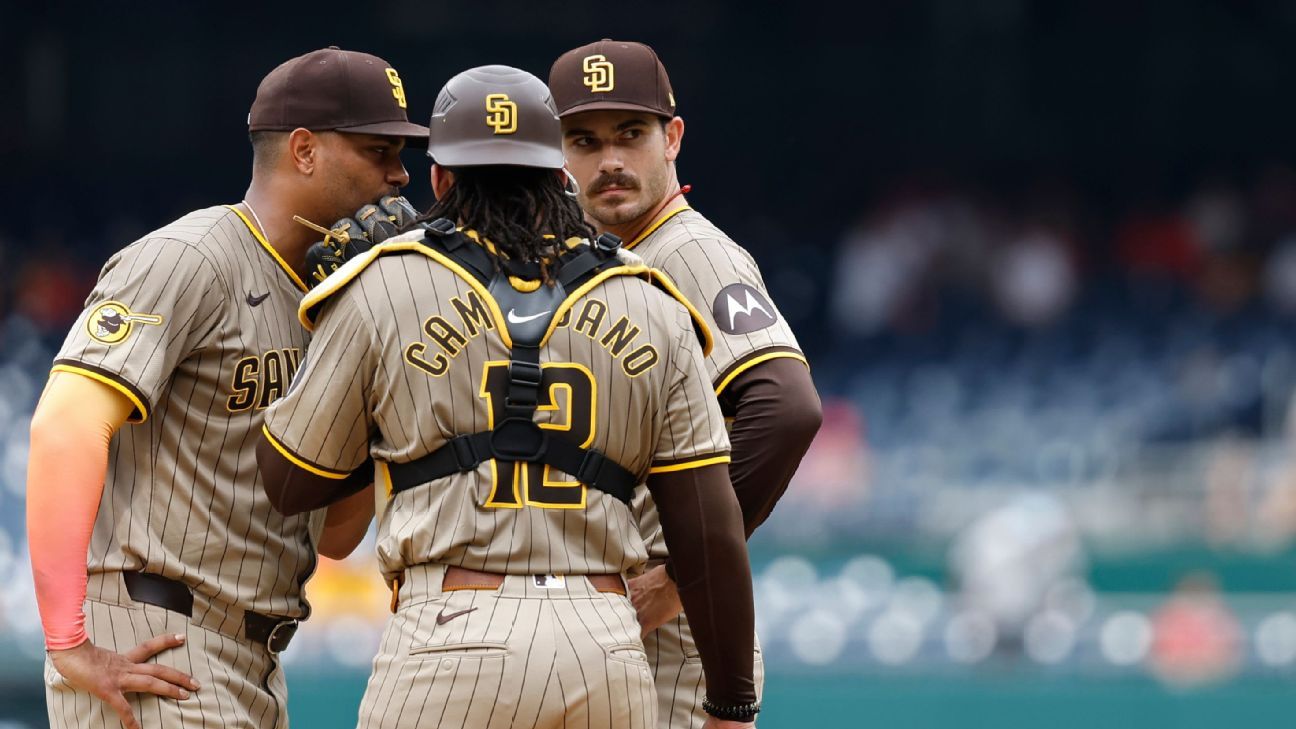
The bullpen is baseball’s crucible, a place where careers are made or broken in the span of a single inning. Relief pitchers are the mercenaries of the game, the specialists who enter the fray with the weight of the game on their shoulders and the clock ticking like a bomb. The process for a reliever is one of preparation and adaptability. The closer who toes the rubber with a three-run lead knows that one mistake can erase months of work. The setup man who bridges the gap between starter and closer understands that his role is as vital as any other on the diamond. The process is about mental toughness, about embracing the pressure, and about treating every appearance as if it were the seventh game of the World Series.
The bullpen is where the game’s drama is distilled into its most concentrated form. A 100-mph fastball exploding past a flailing batter, a curveball that drops off the table at the last second, a slider that freezes a left-handed hitter—these are the moments that define careers. But the process is not about the highlight-reel saves. It’s about the bullpen sessions in the dog days of summer, the long tosses in the outfield, and the mental rehearsal of every possible scenario. The result—a save, a win, a championship—is the reward for a process steeped in discipline and sacrifice. The bullpen is where baseball’s unsung heroes are forged, where the line between glory and obscurity is drawn in the thinnest of margins.
The Fan’s Odyssey: Finding Joy in the Unfolding Drama
For the fan, baseball is not just a game; it’s an odyssey. It’s the crack of the bat on a lazy summer afternoon, the smell of popcorn and sunscreen, the camaraderie of fellow enthusiasts united in their love for the sport. The process for the fan is one of patience and devotion. It’s about showing up, rain or shine, through the highs of a pennant race and the lows of a 100-loss season. It’s about learning the nuances of the game, from the subtle art of the squeeze play to the strategic brilliance of a pitchout. The result—a World Series parade, a no-hitter, a walk-off home run—is the culmination of a season’s worth of moments, each one a thread in the tapestry of memory.
The beauty of baseball lies in its unpredictability. A team can go from worst to first in a single season, a rookie can become a superstar overnight, and a lifelong fan can witness history in the making. The process is about embracing the journey, about finding joy in the small victories and solace in the inevitable setbacks. It’s about understanding that baseball is not just a sport; it’s a way of life. The crack of the bat is a reminder that life, like baseball, is not about the destination, but about the moments in between—the rituals, the traditions, and the unbreakable bond between the game and its devotees.