The term “power trip” in baseball isn’t just a colloquial phrase—it’s a seismic force that reshapes the landscape of the sport, often leaving fans and players alike in its wake. When the Commissioner of Major League Baseball wields authority like a bat over a fastball, the consequences ripple through stadiums, boardrooms, and living rooms. This isn’t merely about rules or regulations; it’s about the delicate balance of power that defines America’s pastime. From labor disputes that halt the crack of the bat to technological innovations that redefine the game’s DNA, the Commissioner’s influence is as unpredictable as a 100-mph slider. Yet, what makes this power so intriguing isn’t its blunt force—it’s the way it oscillates between stewardship and overreach, like a pitcher caught between control and wildness. To understand baseball’s soul, one must dissect the Commissioner’s power trip, where every decision is a pitch, and every misstep echoes through the annals of the game.
The Commissioner’s Gavel: A Double-Edged Baton of Authority
The Commissioner of Major League Baseball isn’t just a figurehead; they’re the arbiter of the game’s moral and operational compass. Their power is enshrined in the league’s constitution, a document as sacred as the rulebook itself. Yet, this authority isn’t a monolith—it’s a chameleon, shifting hues with each era. In the 1920s, Kenesaw Mountain Landis wielded his gavel like a gavel of justice, quashing the Black Sox scandal with an iron fist. Fast-forward to Bud Selig’s tenure, and the power trip took a more corporate turn, transforming baseball into a global entertainment juggernaut. Today, Rob Manfred’s reign is marked by a different kind of turbulence: the collision of tradition and modernity. The Commissioner’s gavel isn’t just a tool for discipline; it’s a lever for evolution, pulling the game in directions that often spark debate. Whether it’s realigning divisions or reshaping the playoff format, each swing of the gavel sends shockwaves through the sport’s ecosystem.
The Labor Labyrinth: When Power Trips Collide with Collective Bargaining
Few arenas in baseball are as fraught with tension as the negotiating table. The Commissioner’s office doesn’t just oversee the game—it often becomes the epicenter of labor wars that threaten to derail entire seasons. The 1994 strike, a wound still raw in the collective memory of fans, was a stark reminder of how power can curdle into paralysis. The Commissioner, caught between owners and players, becomes a lightning rod for frustration. When negotiations stall, the power trip isn’t just about who holds the reins—it’s about who’s willing to yank them. The 2022 lockout, though shorter, was no less contentious, with Manfred navigating a minefield of player grievances and financial disparities. These labor skirmishes aren’t just about money; they’re about identity. Baseball’s soul is stitched together by its labor agreements, and when the Commissioner’s power trip disrupts that fabric, the game’s very essence is called into question. The question lingers: Can the Commissioner be both a peacemaker and a disruptor, or is the power trip inherently a zero-sum game?
The Technological Tipping Point: Power Trips in the Digital Age
Baseball has always been a game of inches, but in the 21st century, it’s also a game of data. The Commissioner’s office now grapples with a new kind of power trip: the rise of technology. From the implementation of Statcast to the debates over automated ball-strike systems, the league’s leadership is forced to confront the tension between innovation and tradition. Manfred’s tenure has seen the league embrace technology at a breakneck pace, but not without resistance. The automated strike zone, a pet project of the Commissioner’s office, threatens to upend the art of umpiring—a role steeped in human error and judgment. Yet, the power trip here isn’t just about technology; it’s about control. Who gets to decide what’s fair? The players, who rely on their instincts? The owners, who see efficiency as the ultimate metric? Or the Commissioner, who must balance the two? The digital revolution in baseball isn’t just about better data—it’s about who holds the keys to the kingdom, and how they choose to wield them.
The Global Gambit: Power Trips Beyond the Diamond
Baseball’s reach extends far beyond the borders of the United States, and the Commissioner’s power trip now plays out on a global stage. The league’s international expansion, from the London Series to the Mexico City games, is a testament to baseball’s ambition. But ambition comes with a cost. The Commissioner’s office must navigate a labyrinth of cultural differences, political sensitivities, and logistical nightmares. When MLB announces a game in Tokyo or London, it’s not just a logistical feat—it’s a power play, asserting baseball’s dominance in a crowded global sports market. Yet, this global gambit isn’t without its pitfalls. The World Baseball Classic, once a celebration of international talent, has become a battleground for power struggles between federations and leagues. The Commissioner’s role in these negotiations is akin to a chess grandmaster, maneuvering pieces across continents to maintain baseball’s relevance. The power trip here isn’t just about control; it’s about legacy. Will baseball’s global expansion be remembered as a triumph of vision, or a cautionary tale of overreach?
The Fan Factor: When Power Trips Alienate the Faithful
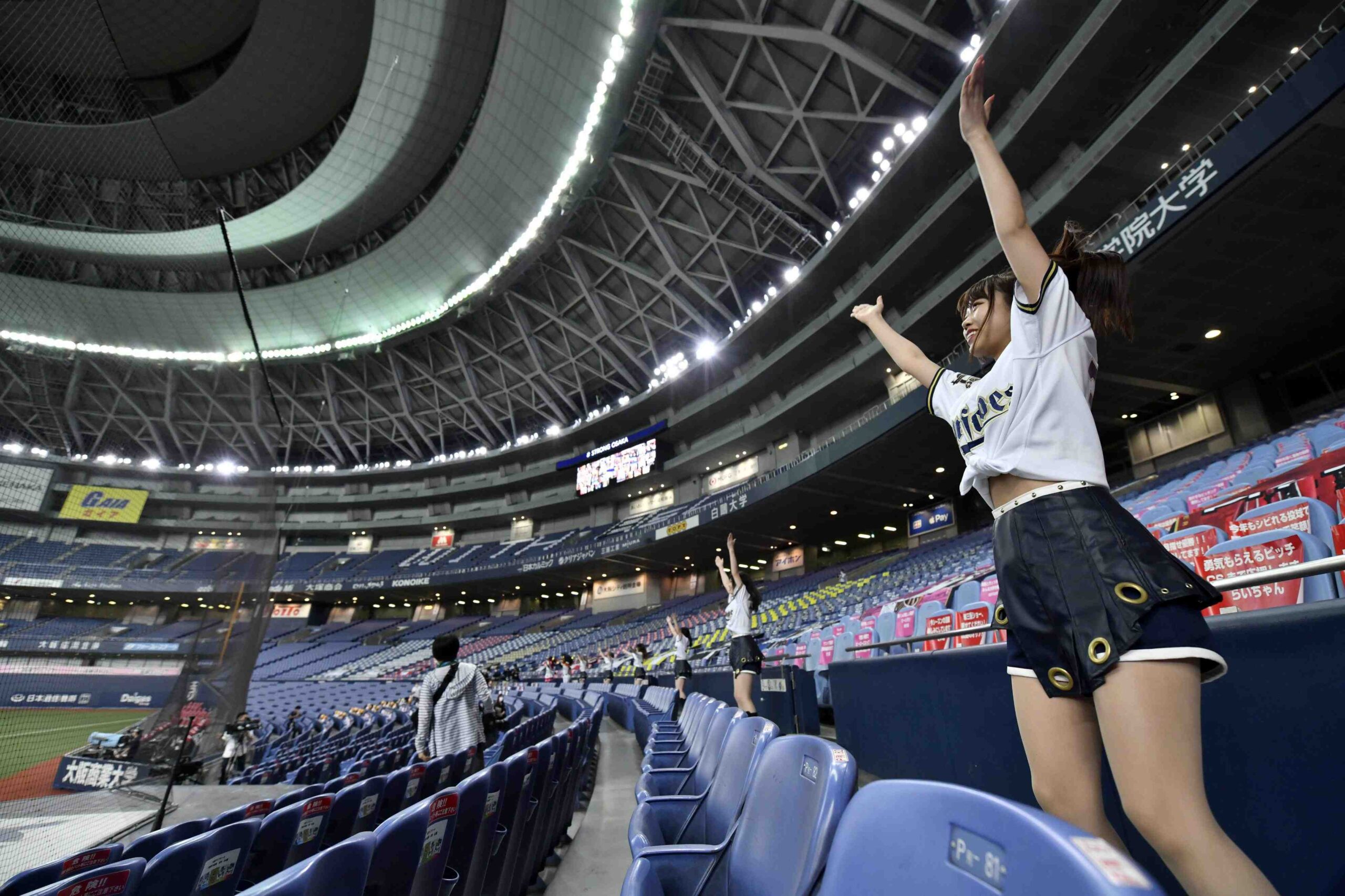
No discussion of the Commissioner’s power trip would be complete without acknowledging the most critical constituency: the fans. Baseball’s soul is rooted in its connection to its followers, and when the Commissioner’s decisions feel out of sync with the game’s spirit, the backlash is swift and brutal. The 2020 pandemic season, with its cardboard cutouts and empty stadiums, was a stark reminder of how fragile that connection can be. Manfred’s handling of the situation—from the delayed start to the controversial playoff expansion—sparked outrage among purists. The power trip here isn’t just about policy; it’s about perception. Fans don’t just want a game; they want an experience, a ritual, a connection to something larger than themselves. When the Commissioner’s power trip disrupts that, the game risks losing its soul. The challenge for MLB’s leadership is to wield power without alienating the very people who make the game worth playing.
The Unwritten Rules: Power Trips and the Subtle Art of Control
Baseball has always thrived on its unwritten rules, those unspoken codes that govern everything from pitch selection to base-running etiquette. The Commissioner’s power trip extends into this murky territory, where control is exerted not through edicts but through expectations. The crackdown on bat flips, the warnings against excessive celebrations, the subtle pressure to conform to tradition—these are the silent power trips that shape the game’s culture. Manfred’s tenure has seen a renewed emphasis on these unwritten rules, often to the chagrin of younger players who see them as relics of a bygone era. Yet, the power trip here isn’t just about nostalgia; it’s about identity. Baseball’s unwritten rules are the glue that holds its culture together. When the Commissioner’s office attempts to rewrite those rules, it’s not just about control—it’s about defining what the game stands for. The question remains: Can baseball evolve without losing its soul?
The Commissioner’s power trip in baseball is a paradox—a force that can both elevate and erode the game’s essence. It’s a high-wire act, balancing tradition and innovation, control and chaos, power and humility. Whether it’s through labor negotiations, technological advancements, or global expansion, the Commissioner’s decisions shape the game’s future. Yet, the true test of this power trip isn’t in the headlines it generates or the controversies it sparks—it’s in how it resonates with the fans, the players, and the soul of baseball itself. The game’s enduring appeal lies in its ability to adapt without losing its identity, and the Commissioner’s power trip is the crucible in which that identity is forged.