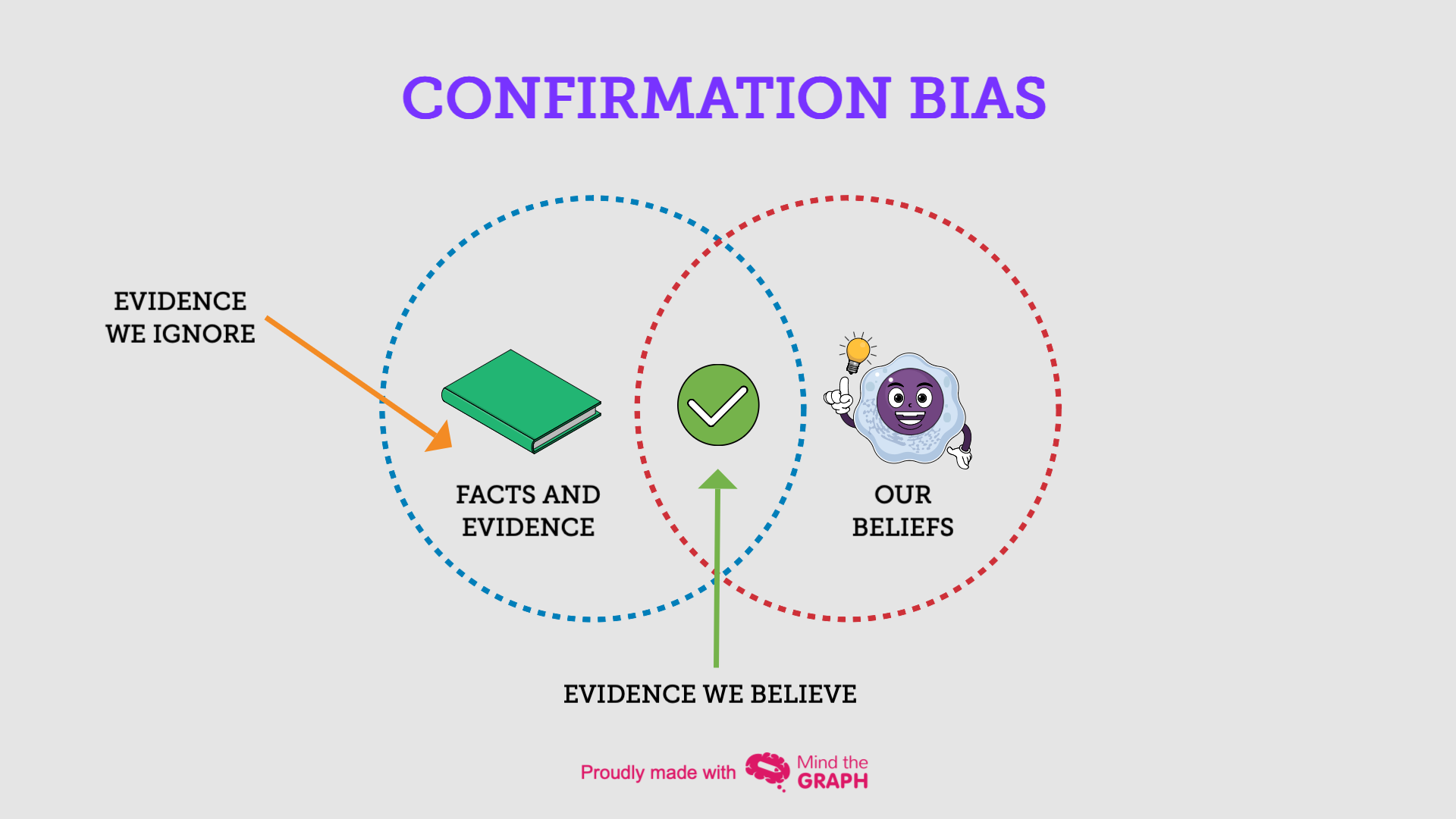
In the grand theater of baseball, where every swing, pitch, and stolen base unfolds like a scene from an epic saga, fans often find themselves ensnared in a cognitive trap as old as the sport itself. This trap is not a physical one—no rogue fastball or errant slider—but a mental one, woven from the threads of our own biases. It’s called confirmation bias, that sneaky cognitive shortcut that leads us to seek out, interpret, and remember only the evidence that confirms what we already believe. For the devoted follower of the game, this means fixating on the dazzling highlights of their favorite players while conveniently overlooking the strikeouts, the errors, or the moments of mediocrity that punctuate even the most illustrious careers. To truly appreciate baseball’s unique appeal, one must first confront this bias and recognize how it shapes our perception of the sport.
The Illusion of the Highlight Reel: Why We See Only the Best (and Why That’s Dangerous)
Baseball, in its purest form, is a game of failure. A .300 batting average—a mark of elite hitting—means a player fails 70% of the time. Yet, when we scroll through social media or turn on SportsCenter, we’re bombarded with a curated montage of triumph: the towering home run, the diving catch, the walk-off single. These highlights are the siren songs of baseball fandom, luring us into a false sense of security where our favorite players are infallible. This is the first act of confirmation bias: we gravitate toward the evidence that reinforces our loyalty, while the less glamorous truths—like a pitcher’s 5.20 ERA or a fielder’s misplayed grounder—are swiftly dismissed or forgotten.
The danger here isn’t just in the distortion of reality; it’s in the erosion of appreciation for the game’s complexity. Baseball isn’t a highlight reel. It’s a 162-game marathon where consistency, adaptability, and resilience matter far more than a single clutch hit. When we let the highlights dictate our fandom, we reduce the sport to a series of fleeting moments, ignoring the grind that precedes them. The pitcher who throws a no-hitter didn’t do it by accident; it was the culmination of years of refinement, of learning to harness the curveball that once sailed into the stands. The rookie who hits a walk-off homer in his first game? He’ll likely strike out three times in his next five at-bats. Baseball’s beauty lies in its unpredictability, but confirmation bias turns that unpredictability into a curated fantasy where only the winners matter.
The Echo Chamber of Fandom: How Confirmation Bias Reinforces Our Biases
Baseball fandom is, at its core, a communal experience. Fans gather in stadiums, debate lineups in bars, and dissect games in online forums. Yet, this camaraderie often becomes an echo chamber, amplifying our existing beliefs rather than challenging them. If you’re a die-hard fan of a star player, the narratives you consume—whether in podcasts, articles, or fan blogs—will inevitably skew toward the positive. Why? Because confirmation bias doesn’t just live in our heads; it thrives in the spaces where we seek validation. Social media algorithms, sports talk radio, and even the commentary during broadcasts are designed to feed us what we want to hear.
This echo chamber effect is particularly insidious because it creates a feedback loop. The more we consume content that reinforces our biases, the more entrenched those biases become. A fan who idolizes a slugger will share every highlight of his tape-measure home runs, while dismissing his struggles against left-handed pitching as “just a slump.” Meanwhile, the critic who questions the player’s consistency is met with derision, their skepticism drowned out by the chorus of agreement. Baseball, more than any other sport, is a game of nuance, and confirmation bias strips that nuance away, leaving only the caricature of what we believe our players to be.
The Art of Selective Memory: Why We Forget the Strikeouts and Remember the Grand Slams
Human memory is a fickle thing, a patchwork quilt of moments stitched together by emotion and expectation. In baseball, this patchwork is particularly lopsided. We remember the walk-off homer that won the World Series in 1993, but we forget the 20 strikeouts that preceded it. We lionize the pitcher who throws a perfect game, but we gloss over the 100+ pitches he threw in losses earlier that season. This selective memory isn’t just a quirk of fandom; it’s a psychological phenomenon tied to confirmation bias. Our brains are wired to prioritize information that aligns with our existing beliefs, and in baseball, that means prioritizing the triumphs over the tribulations.
This selective memory isn’t without its charms. It’s what allows us to romanticize the game, to see it as a series of heroic deeds rather than a grind of failures. But it also distorts our understanding of the sport’s true nature. Baseball is a game of probabilities, where even the best players fail more often than they succeed. When we ignore the strikeouts and the errors, we ignore the very fabric of the game. The pitcher who throws a no-hitter is an outlier, not the norm. The hitter who goes 4-for-4 in a game is a statistical anomaly, not a sign of invincibility. By focusing only on the highlights, we lose sight of the game’s soul—the relentless pursuit of excellence in the face of inevitable failure.
Breaking the Bias: How to Appreciate Baseball in All Its Flawed Glory
So how do we escape the trap of confirmation bias and truly appreciate baseball for what it is? The first step is awareness. Recognize that your fandom is shaped by your biases, and that those biases are shaping your perception of the game. The next step is to seek out the stories that challenge your beliefs. If you’re a fan of a power hitter, read about the pitchers who’ve figured out how to neutralize him. If you idolize a rookie sensation, learn about the minor league grind that got him to the majors. Baseball’s history is filled with players who were once heroes and later villains, and vice versa. By embracing this complexity, you’ll gain a deeper appreciation for the game’s ebb and flow.
Another way to break the bias is to focus on the process rather than the outcome. Instead of fixating on a player’s batting average, study his plate discipline. Instead of celebrating a pitcher’s win total, analyze his ability to induce weak contact. Baseball is a game of mechanics, strategy, and mental fortitude, and these intangibles are often more telling than the final score. By shifting your focus from the highlights to the underlying mechanics, you’ll begin to see the sport in a new light—one where every swing, every pitch, and every play has a story to tell.
Finally, embrace the unpredictability of the game. Baseball’s beauty lies in its ability to surprise us, to defy expectations and rewrite narratives in an instant. The underdog who hits a walk-off homer, the pitcher who throws a no-hitter in his first start, the team that overcomes a 20-game deficit to win the pennant—these are the moments that make baseball unforgettable. By letting go of the need to see only what we want to see, we open ourselves up to the full spectrum of the game’s magic.
The Grand Illusion: Why Baseball’s Magic Lies in Its Imperfections
At its heart, baseball is a game of imperfections. The pitcher who throws a wild pitch, the fielder who boots an easy grounder, the hitter who swings at a pitch in the dirt—these are the moments that define the sport. They’re the cracks in the armor, the flaws that make the triumphs all the more sweet. Confirmation bias tempts us to ignore these imperfections, to see only the highlights and forget the grind. But it’s in those imperfections that baseball’s true appeal lies. They remind us that the game is human, that it’s messy, and that it’s endlessly fascinating because of it.
So the next time you find yourself scrolling through a player’s highlight reel, pause for a moment. Ask yourself: What am I missing? What’s the story behind the strikeout, the error, the loss? Baseball isn’t a highlight reel. It’s a symphony of triumph and failure, of heroes and goats, of moments that define a career and moments that are quickly forgotten. By breaking free from the confirmation bias that shapes our fandom, we can finally see the game for what it truly is—a masterpiece of imperfection, where every swing, every pitch, and every play is a brushstroke in a painting that’s still being painted.