Baseball, often called America’s pastime, is a sport steeped in tradition, strategy, and statistical nuance. Yet, for all its timeless appeal, few phenomena encapsulate the intersection of physics, economics, and human performance quite like the “Coors Field Tax.” This curious term refers to the pronounced advantage—or disadvantage, depending on perspective—enjoyed by hitters at Coors Field, the home of the Colorado Rockies, one of Major League Baseball’s most distinctive ballparks. Nestled at an elevation of 5,280 feet above sea level in Denver, Colorado, Coors Field is not just a venue; it’s a natural laboratory where the thin air, high altitude, and unique environmental conditions conspire to reshape the game. For fans, analysts, and players alike, understanding the Coors Field Tax is essential to grasping why certain statistics soar, why pitchers struggle, and why the Rockies have become both a statistical outlier and a fascinating case study in baseball evolution.
The Physics of Thin Air: Why Coors Field Defies Convention
At the heart of the Coors Field Tax lies a fundamental principle of physics: air density. At sea level, the atmosphere exerts pressure that allows baseballs to travel through a relatively dense medium, slowing their flight and enabling pitchers to generate movement on their pitches. Denver, however, sits at an elevation where atmospheric pressure is approximately 17% lower than at sea level. This reduced air density has a dramatic effect on the aerodynamics of a baseball in flight. A well-struck line drive that might travel 380 feet in most ballparks could sail an extra 20 to 30 feet at Coors Field, turning what would be a routine out in another stadium into a potential home run. The thinner air minimizes drag, allowing the ball to maintain velocity longer and travel farther. This phenomenon isn’t just theoretical—it’s quantifiable, with studies showing that batted balls at Coors Field travel, on average, 5 to 10 feet farther than identical hits elsewhere. For hitters, this translates into more extra-base hits and home runs; for pitchers, it often means surrendering runs they might prevent in a more conventional environment.
Pitching in the Mile-High Maelstrom: The Struggle Against the Elements
If hitting at Coors Field is akin to playing in a batter’s paradise, pitching is a Sisyphean ordeal. Pitchers who thrive in other ballparks often find their arsenals neutralized by the thin air and unpredictable wind patterns that swirl through Coors Field. Fastballs, which rely on air resistance to generate movement, lose their bite, flattening out and becoming easier to hit. Curveballs, which depend on the Magnus effect—a force generated by the spin of the ball interacting with the air—also suffer, as the reduced air density diminishes their break. Even sliders and changeups, pitches designed to disrupt timing, can become less effective when the ball doesn’t behave as expected. The result? A pitching staff that collectively posts inflated earned run averages (ERAs) and walks more batters than their counterparts in other ballparks. The Coors Field Tax isn’t just a metaphor; it’s a statistical reality that pitchers must confront, often leading to shorter careers in Denver or a revolving door of arms brought in to mitigate the damage. For teams visiting Coors Field, the challenge is twofold: adapt to the park’s quirks while maintaining the mental fortitude to withstand the barrage of runs.
Offensive Explosions: How the Coors Field Tax Fuels Run Production
The offensive bonanza at Coors Field is one of the most striking examples of how environment shapes performance in baseball. Since the Rockies’ inaugural season in 1993, the team has consistently ranked among the league leaders in home runs, runs scored, and batting average. In some seasons, the Rockies have out-homered their opponents by a margin that defies conventional logic. The reasons are multifaceted. The thin air amplifies the distance of fly balls, turning potential doubles into tape-measure home runs. The high altitude also affects the flight of pitches, making it easier for hitters to discern spin and timing. Additionally, the dry air in Denver can reduce the grip on pitches, particularly breaking balls, allowing hitters to wait longer before committing to a swing. The cumulative effect is a hitter’s paradise, where even mediocre swings can result in extra-base hits. For fantasy baseball enthusiasts, drafting Rockies players often feels like a high-risk, high-reward proposition—one that can yield exponential returns or leave them scrambling to replace underperforming assets mid-season.
Defensive Dilemmas: The Challenges of Playing the Outfield at Altitude
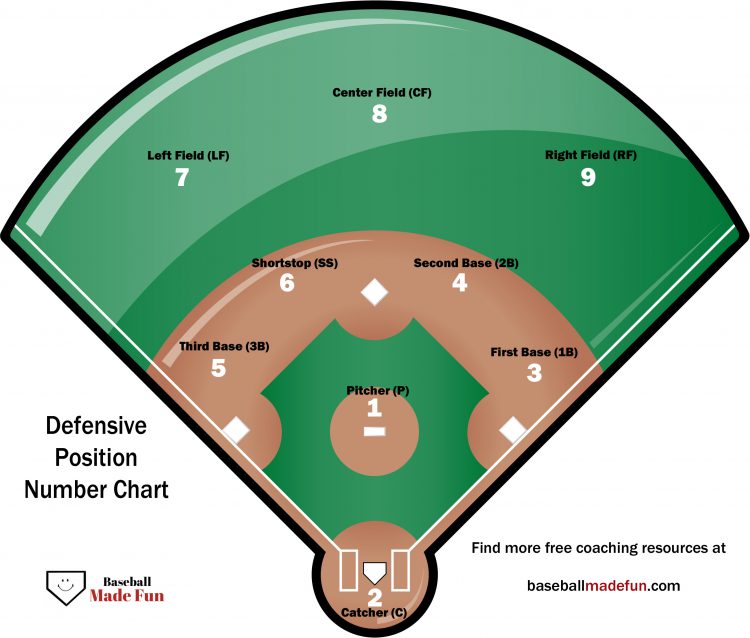
While hitters and pitchers bear the brunt of the Coors Field Tax, the outfielders are not immune to its effects. The increased carry of fly balls means that what might be a routine fly out in another ballpark can suddenly become a sprint-worthy chase in Denver. Outfielders must adjust their positioning, often playing deeper to account for the extra distance balls travel. This adjustment introduces a new layer of complexity: the trade-off between preventing extra-base hits and preventing shallow hits from becoming doubles or triples. The thin air also affects the trajectory of line drives, making them harder to judge and catch. Ground balls, too, behave differently, skidding faster and staying lower, which can lead to unexpected errors or misplays. For infielders, the challenges are less pronounced but still present, particularly when it comes to turning double plays or fielding bunts. The defensive adjustments required at Coors Field highlight the broader theme of the park’s influence—it’s not just about offense or pitching; it’s about every facet of the game being subtly, yet profoundly, altered.
Strategic Adaptations: How Teams and Players Adjust to the Mile-High Grind
Success at Coors Field isn’t merely a matter of showing up and swinging for the fences. It requires a nuanced approach that blends statistical analysis, player development, and tactical innovation. Teams have experimented with various strategies to mitigate the Coors Field Tax, from deploying ground-ball pitchers who rely less on air resistance to signing hitters with exceptional bat speed who can generate their own lift. The Rockies themselves have invested in player development programs that emphasize hitting for power and adjusting to the unique conditions of their home park. Visiting teams, too, have adapted, often prioritizing pitchers with high spin rates on their breaking balls—a characteristic that can partially counteract the effects of thin air. Bullpen management becomes critical, as relievers must be prepared to enter games in high-leverage situations where the Coors Field Tax is in full effect. Even the design of Coors Field itself reflects these adaptations, with its spacious outfield dimensions and high-altitude-friendly seating designed to enhance the fan experience while acknowledging the park’s idiosyncrasies.
The Human Factor: Mental Toughness and the Psychological Toll
Beyond the physical and strategic dimensions of the Coors Field Tax lies a less quantifiable but equally significant factor: the psychological toll it takes on players. Pitchers who struggle in Denver often face scrutiny and second-guessing, their performances dissected in ways that wouldn’t happen in other ballparks. Hitters, meanwhile, must contend with the pressure of knowing that every swing could result in an unexpected home run—or an embarrassing strikeout. The mental resilience required to thrive in such an environment cannot be overstated. Some players embrace the challenge, using the park’s reputation as motivation to elevate their performance. Others wilt under the pressure, their confidence eroding with each pitch that seems to hang in the thin air a moment too long. The human element adds a layer of drama to the Coors Field narrative, transforming it from a mere statistical curiosity into a crucible where careers are forged, reputations are made, and legacies are defined.
Legacy and Lessons: What Coors Field Teaches Baseball About Adaptation
The Coors Field Tax is more than a quirk of geography; it’s a testament to the adaptability of baseball as a sport. It challenges conventional wisdom, forces teams to innovate, and redefines what it means to succeed in the modern game. For analysts, it offers a case study in how environment shapes performance, providing a real-world laboratory for studying the intersection of physics and athleticism. For players, it’s a reminder that baseball is not a one-size-fits-all endeavor—success often hinges on understanding and leveraging the unique conditions of a given venue. For fans, it’s a source of endless fascination, a reminder that the game is as much about the ballpark as it is about the players. As baseball continues to evolve, Coors Field remains a symbol of the sport’s enduring capacity to surprise, challenge, and inspire—where the thin air doesn’t just affect the game, but defines it.