Have you ever wondered why some pitchers seem to conjure up baffling movement on their pitches simply by tweaking the angle of their arm? Is it truly possible that dialing down your arm slot can unlock a fuller spectrum of pitch movement, or does this come at an unseen cost to the pitcher’s body? As fascinating as these changes in arm angle are on the mound, they carry intricacies that extend beyond mere mechanics, bridging the gap between physics, physiology, and performance in Major League Baseball.
Understanding the Arm Slot: More Than Just an Angle
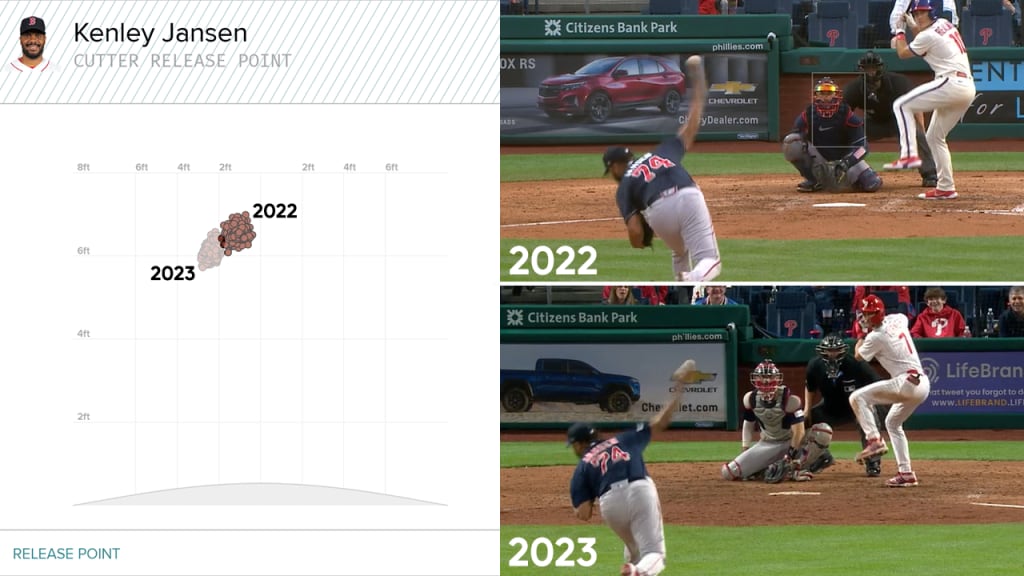
At its core, the arm slot — the angle at which a pitcher releases the ball relative to their body — is a crucial element that shapes the trajectory, velocity, and movement of every pitch. A pitcher’s arm slot ranges from over-the-top (nearly vertical) to sidearm, and even submarine (extremely low). These variations influence the spin axis of the ball, which in turn affects how the ball breaks as it approaches the plate.
But why does dropping the arm slot produce more movement? It all comes down to how the rotation of the ball interacts with the air. A lowered arm slot generates a spin axis that enhances horizontal movement, or “tails” the ball side to side, confounding hitters’ timing and perception. For example, a two-seam fastball from a three-quarters or sidearm slot might reverse direction late, darting away from a batter’s sweet spot.
The Physics Behind Dropping the Arm Slot
The Magnus effect lies at the heart of why changing arm slot alters pitch movement. When a baseball spins, the difference in air pressure caused by the spin creates a force that moves the ball in a certain direction. Pitchers who drop their arm angle change the spin axis, increasing lateral movement while sometimes reducing vertical drop. This can create pitches that look like they defy gravity, darting unpredictably toward gloves and away from bats.
Moreover, lower arm slots generally impart more sidespin, which accentuates horizontal movement. It’s the reason why curveballs thrown with a sidearm slot might sweep across the zone like a wave, as opposed to the sharp downward bite typical of an over-the-top curveball. This subtle shift curves the narrative of how the ball behaves mid-flight, creating a mesmerizing and deceptive weapon for pitchers who master it.
Enhanced Movement: A Double-Edged Sword
On the surface, dropping your arm slot seems like a clear advantage—more movement generally means more deception and fewer hard-hit balls. However, this competitive edge isn’t without complications. Lower arm slots can sometimes result in decreased pitch velocity since the leverage from a vertical arm slot is somewhat diminished. Some pitchers find a compromise, blending the effectiveness of movement with the explosiveness of velocity.
Furthermore, pitch control can become more elusive at these unconventional slots. The wrist and elbow angles required are less natural for many athletes, so mastering command from a drop slot demands copious repetition and relentless refinement. A slight deviation can lead to unintended wild pitches, exacerbating pressure on the pitcher.
Biomechanical Challenges: The Shoulder Takes the Hit
Although dropping down the arm slot can make pitches dance like specters on the seams, it activates stressors on the pitcher’s musculoskeletal system that aren’t immediately obvious. The shoulder joint, a complex assembly of muscles, tendons, and ligaments, bears unnatural torques and strains in these positions. Unlike the more linear forces of a high-arm slot, sidearm or submarine deliveries necessitate extreme rotation and abduction, pushing the shoulder’s soft tissues to their limits.
This repeated strain elevates the risk of rotator cuff injuries, labrum tears, and shoulder impingement syndromes—ailments that can sideline players for months or even threaten their careers. The delicate balance between preserving the natural integrity of the joint and exploiting the movement gained from dropping the arm can be precarious.
The Elbow and Kinetic Chain: Complementary Factors
It’s not just the shoulder that endures hardship. The elbow also lives in a precarious equilibrium when the arm slot is lowered. The valgus torque—forces pushing the elbow inwards—increases substantially with sidearm deliveries, exacerbating risks of UCL (ulnar collateral ligament) injuries, which often require Tommy John surgery to repair. Exacerbated elbow strain doesn’t occur in isolation but is compounded by how the entire kinetic chain operates.
The kinetic chain, the sequential activation of body parts from the legs up through the torso and arm, works symbiotically. A lower arm slot shifts the timing and mechanics of this chain, sometimes forcing compensations elsewhere to maintain velocity and control. These adaptations can lead to breakdowns or overuse injuries in lower back, hips, and even wrists. Understanding the harmony—or disharmony—of this kinetic chain is essential for pitchers and coaches navigating arm slot modifications.
Historical and Modern Perspectives on Arm Slot Variation
Baseball history is peppered with pitchers who found greatness by embracing unique arm slots. Think of Johnny Vander Meer’s sidearm sinker or Darren O’Day’s submarine delivery. Their success stories have inspired others to explore the fringes of traditional pitching mechanics in pursuit of movement that baffles hitters at the highest level.
In the modern MLB landscape, advancements in biomechanics and motion capture technology allow for meticulous analysis of arm slot impacts. This scientific lens enables tailored training regimens and injury prevention protocols. Pitchers might employ slight drops in arm slot to add dimension without inviting catastrophic injury. The delicate dance between movement and health is finely choreographed by trainers and medical teams today.
Navigating the Challenge: Balancing Movement and Longevity
So, is the allure of dropping down the arm slot worth the potential physical toll? This question doesn’t have a universal answer. For some, the incremental increase in pitch movement can elevate their effectiveness and career prospects. For others, the biomechanical sacrifices might prove too costly.
Implementing arm slot changes demands a holistic approach, incorporating strength training, flexibility work, meticulous monitoring, and continuous biomechanical assessments. Pitchers must listen to their bodies, respond proactively to discomfort, and respect the fine margins that separate effective pitching from injury.
The challenge is wrought with complexity: unrolling the mystery of the arm slot requires a synthesis of art, science, and perseverance. Those who succeed in mastering this balance unlock a realm where the baseball curves, dives, and darts in ways that make baselines shimmer, all while guarding the fragile mechanism that powers their craft.