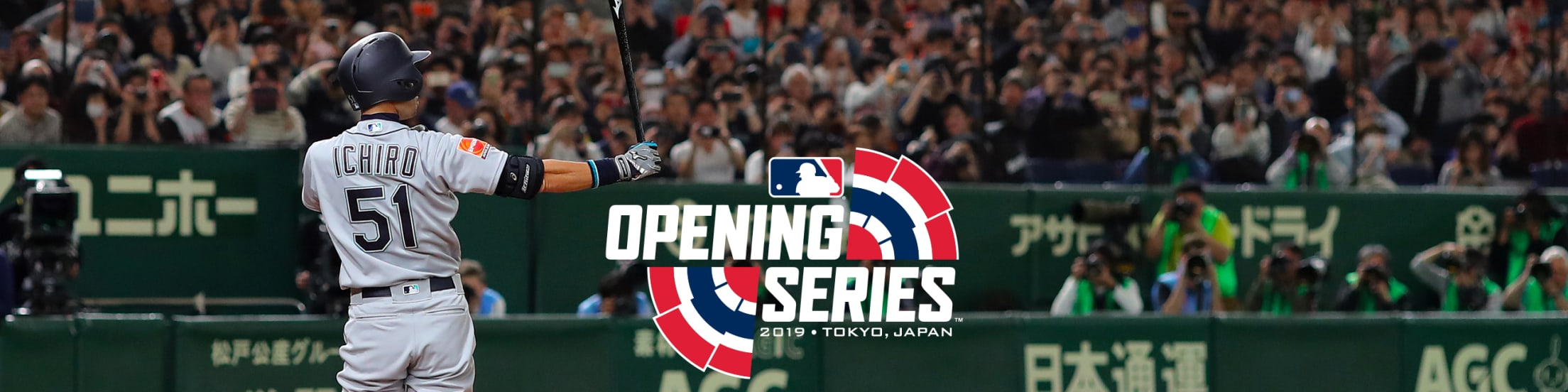
The crack of a bat slicing through the humid evening air in Tokyo’s Meiji Jingu Stadium. The roar of a crowd that has chanted itself into a frenzy, their voices a living, breathing thing. The Japan Series isn’t just a championship—it’s a cultural phenomenon, a symphony of precision, passion, and pageantry where baseball transcends sport and becomes something almost sacred. Now contrast that with the high-stakes, star-studded spectacle of the MLB playoffs, where the stakes are global, the drama is amplified, and every pitch could rewrite history. These two worlds of baseball, though united by the same core game, offer entirely different emotional landscapes. One is a meticulously choreographed dance of tradition and technique; the other, a thunderous, unpredictable storm of athletic brilliance. To understand the full spectrum of baseball’s soul, one must step into both arenas and feel the air shift beneath their feet.
The Japan Series: Where Baseball Meets Ritual
In Japan, baseball is more than a pastime—it’s a ritual. The Japan Series, the climactic showdown of Nippon Professional Baseball, unfolds like a grand theater production, where every inning is a scene, every player an actor, and every fan a devoted spectator. The atmosphere is thick with anticipation, not just for the outcome, but for the *way* the game is played. Pitchers move with the grace of a samurai, their windups a study in discipline. Batters step into the box with the focus of a monk in meditation, their swings a blend of power and poetry. The infielders glide across the diamond like dancers, their double plays a choreographed waltz of coordination.
There’s a reverence here that feels almost spiritual. Before the first pitch, players bow deeply to the crowd, a gesture of gratitude and respect. The national anthem swells, and for a moment, the stadium holds its breath. This is baseball as cultural heritage, where the game is played not just to win, but to honor the traditions that have shaped it. The fans, draped in team colors, sing in unison, their voices rising and falling like the tide. It’s not just support—it’s devotion. And when a home run soars into the night, the explosion of joy isn’t just celebration; it’s catharsis.
The MLB Playoffs: Where Legends Are Forged in Fire
Across the Pacific, the MLB playoffs are a different beast entirely—a colossal, high-voltage spectacle where the stakes are cosmic and the margins razor-thin. This is where baseball’s greatest narratives collide: the underdog’s Cinderella run, the veteran’s redemption arc, the rookie’s baptism by fire. The atmosphere is electric, not just in the stadiums but in living rooms, sports bars, and city streets around the world. Every pitch is dissected in real time, every call scrutinized, every moment dissected like a sacred text. The players here aren’t just athletes; they’re mythic figures, their every move dissected by analysts, fans, and even casual observers.
The drama is relentless. A single wild pitch can shift the course of a series. A walk-off home run in the bottom of the ninth can echo through generations. The playoffs are where baseball’s unpredictability reaches its zenith—a place where the best-laid plans can crumble in an instant, and where the thrill of the unknown keeps fans on the edge of their seats. The stadiums are colossal cathedrals of sound, where the roar of the crowd isn’t just noise—it’s a living, breathing entity, a force of nature that can lift a team to victory or bury it in defeat.
The Art of the Pitch: Precision vs. Power
In the Japan Series, pitching is an art form. Starters often go deep into games, their arsenals a carefully curated selection of off-speed pitches and pinpoint control. A 1-2-3 inning isn’t just efficient—it’s a masterclass. The strike zone is treated with almost sacred reverence; umpires call it with the precision of a calligrapher, and pitchers exploit every inch of it. The fastball isn’t just a weapon—it’s a conversation starter, a way to set up the next pitch, to keep the batter guessing, to dictate the rhythm of the game.
In the MLB playoffs, pitching is a war of attrition. Starters are pulled early, relievers are deployed like chess pieces, and closers are the generals who decide the fate of the battle. The fastball is a sledgehammer, a pitch designed to overpower, to dominate. The strikeout is the ultimate flex—a pitcher’s way of asserting dominance in a league where power reigns supreme. But even here, there’s artistry. The splitter that drops off the table. The cutter that shaves the corner. The changeup that fools a hitter with the subtlety of a magician’s trick. The difference isn’t in the tools, but in the philosophy: in Japan, the pitcher is a conductor; in the MLB playoffs, he’s a gladiator.
The Crowd: A Living Organism vs. A Global Chorus
In Japan, the crowd is a single, unified voice. Fans arrive hours early, decked out in team gear, waving banners and singing fight songs with the fervor of a congregation. The stadium is a sea of color, a visual symphony where every cheer is synchronized, every reaction a shared experience. The energy is contagious, but it’s also controlled—a disciplined passion that builds like a crescendo, peaking at just the right moment. There’s no chaos here, only harmony.
In the MLB playoffs, the crowd is a global phenomenon. Fans from Tokyo to Toronto, from Los Angeles to London, tune in to witness history. The stadiums are packed with a mix of die-hards and casual observers, all united by the shared thrill of the moment. The energy is electric, but it’s also fragmented—a thousand different voices, a thousand different reactions, all converging in a digital and physical cacophony. It’s not just a game; it’s a communal experience, a shared moment in time that transcends borders and cultures.
The Aftermath: Legacy vs. Immortality
Winning the Japan Series is about legacy. It’s about etching your name into the annals of a league that values tradition, discipline, and respect. The champions are celebrated not just as winners, but as ambassadors of the game’s soul. Their triumphs are immortalized in the hearts of fans who see them as extensions of their own identities. The Japan Series isn’t just a championship—it’s a coronation, a rite of passage that cements a player’s place in history.
Winning the World Series, on the other hand, is about immortality. It’s about joining the pantheon of legends who have shaped the game’s greatest moments. The champions here aren’t just winners; they’re icons, their names etched into the fabric of baseball history. The World Series isn’t just a tournament—it’s a crucible where legends are forged, where the greatest players of their generation are remembered not just for what they did, but for how they did it. It’s the ultimate stage, where the game’s past, present, and future collide in a single, unforgettable moment.
The Unspoken Bond: Where the Two Worlds Meet
Despite their differences, the Japan Series and the MLB playoffs share a common thread: they are both celebrations of baseball’s enduring appeal. One is a masterclass in tradition and technique, where the game is played with the grace of a sonnet. The other is a spectacle of power and unpredictability, where every moment is a potential headline. Yet both are united by the same core values: passion, perseverance, and the unshakable belief that anything is possible.
Perhaps that’s the true magic of baseball. It’s a game that can be both a delicate dance and a thunderous battle, a ritual and a revolution. Whether it’s played under the neon lights of Tokyo or the floodlights of a packed MLB stadium, baseball has a way of bringing people together, of creating moments that linger in the memory long after the final out is called. And that, in the end, is what makes it truly timeless.