In the vast, glittering constellation of baseball cards, few celestial bodies shine as brightly—or as enduringly—as Ken Griffey Jr.’s 1989 Upper Deck rookie card. More than just a piece of cardboard, this card is a time capsule, a cultural artifact, and a testament to the golden era of the late 1980s and early 1990s. It’s a relic that transcends its medium, capturing not just a player’s potential but the very spirit of a sport in transition. To hold it is to touch the future of baseball itself, frozen in the glossy sheen of Upper Deck’s revolutionary printing process. But why does this card remain so iconic, decades after its release? The answer lies not just in its subject, but in the alchemy of timing, innovation, and sheer, unbridled talent that it represents.
Imagine, for a moment, the baseball landscape of 1989. The sport was on the cusp of a renaissance. The steroid era loomed like a shadow, but for now, the game was still a ballet of grace and power, a symphony of crackling bats and diving catches. And at the center of it all stood a 19-year-old phenom from Cincinnati, whose swing was as effortless as it was devastating. Ken Griffey Jr. wasn’t just another rookie; he was a revelation. His rookie card, the first of its kind from Upper Deck, wasn’t merely a collectible—it was a promise. A promise of greatness. A promise of a new kind of stardom. And most importantly, a promise that baseball would never be the same.
The Birth of a Legend: Upper Deck’s Revolution
Before 1989, baseball cards were a dime a dozen. Topps had dominated the market for decades, churning out cardboard at a relentless pace. The cards were functional, sure, but they lacked something—soul. They were static, flat, almost forgettable. Then came Upper Deck, a company founded by a group of hockey card enthusiasts who saw an opportunity to disrupt the baseball card industry. Their secret? A printing process borrowed from the fine art world. The result? Cards that shimmered with depth, vibrancy, and a three-dimensional quality that made them feel alive.
The 1989 Upper Deck Ken Griffey Jr. rookie card was the company’s flagship release, and it was nothing short of revolutionary. The card’s design was clean, minimalist—almost austere. No gaudy borders, no distracting logos. Just Griffey, bat in hand, his gaze fixed on an unseen horizon, bathed in the warm glow of a studio light. The background was a stark white, a void that forced the viewer to focus entirely on the subject. It was a masterclass in restraint, a deliberate choice that elevated the card from mere collectible to fine art.
But the true magic of the card lay in its details. The Upper Deck printing process gave the card a depth and texture that was unheard of at the time. The colors were rich, the lines crisp. The card had a tactile quality, as if you could reach out and feel the fabric of Griffey’s uniform. It was a far cry from the flimsy, mass-produced cards of the past. Upper Deck didn’t just make cards; they made experiences. And the Griffey rookie card was their magnum opus.
The Player Behind the Card: A Swing as Sweet as the Era It Defined
No discussion of the 1989 Upper Deck Griffey rookie card would be complete without diving into the player it immortalized. Ken Griffey Jr. wasn’t just a baseball player; he was a phenomenon. From the moment he stepped onto the field, it was clear that he was something special. His swing was poetry in motion—a fluid, rhythmic dance that seemed to defy physics. He didn’t just hit the ball; he annihilated it, sending it soaring into the stratosphere with a crack that echoed through stadiums like a gunshot.
Griffey’s rookie season in 1989 was a revelation. He burst onto the scene with a .264 batting average, 16 home runs, and 61 RBIs, earning him the American League Rookie of the Year award. But his impact went far beyond statistics. Griffey brought a joy to the game that was infectious. His style—his flair—was a breath of fresh air in an era that was becoming increasingly cynical. He played with a smile, as if he were having the time of his life, and fans responded in kind. Baseball wasn’t just a game anymore; it was a spectacle, a celebration of athleticism and artistry.
The 1989 Upper Deck card captures Griffey at the precipice of his stardom. His uniform, pristine and unblemished, is a symbol of his untouched potential. The card doesn’t just show a player; it shows a promise. A promise of what was to come. And what came next was nothing short of extraordinary. Over the next decade, Griffey would become one of the most dominant and beloved players in the history of the game. He would win 10 Gold Gloves, an MVP award, and cement his legacy as one of the greatest center fielders to ever play the game. But the 1989 rookie card remains the foundation of that legacy—a snapshot of a moment before the world knew just how great he would become.
The Card That Changed Everything: A Cultural and Market Phenomenon
The 1989 Upper Deck Ken Griffey Jr. rookie card wasn’t just a hit with collectors; it was a cultural earthquake. It arrived at a time when baseball cards were experiencing a surge in popularity, fueled by the rise of the sports memorabilia market and the growing obsession with nostalgia. But Griffey’s card was different. It wasn’t just another card in a sea of Topps and Fleer releases. It was a statement. A declaration that baseball cards could be more than just collectibles—they could be investments, art, and cultural touchstones.
The card’s impact on the market was immediate and seismic. Upper Deck’s innovative printing process and Griffey’s burgeoning stardom created a perfect storm of demand. Collectors clamored for the card, driving up prices and establishing it as one of the most sought-after rookie cards of all time. In the years that followed, the card’s value skyrocketed, becoming a symbol of the booming sports memorabilia market of the 1990s. It wasn’t just a card; it was a goldmine.
But the card’s influence extended beyond the financial. It helped to redefine the very concept of a baseball card. Before Griffey, cards were often seen as disposable, ephemeral. After Griffey, they were something more. They were tangible pieces of history, artifacts of a bygone era. The 1989 Upper Deck rookie card didn’t just capture a player; it captured a moment in time. It was a time capsule of the late 1980s, a snapshot of a sport on the cusp of change. And it did so with a style and sophistication that set it apart from everything that came before it.
The Aesthetic Mastery: Why This Card Still Dazzles Decades Later
What is it about the 1989 Upper Deck Ken Griffey Jr. rookie card that makes it so enduringly captivating? The answer lies in its aesthetic mastery. The card is a study in contrast and balance. The stark white background serves as a blank canvas, allowing Griffey’s image to take center stage. His uniform, a vibrant blue with crisp white pinstripes, pops against the background, drawing the eye immediately. The lighting is soft yet dramatic, casting gentle shadows that add depth and dimension to the card.
The composition is equally masterful. Griffey is positioned slightly off-center, creating a sense of movement and dynamism. His gaze is directed to the left, as if he’s tracking a pitch or eyeing a teammate. It’s a subtle detail, but one that adds a layer of intrigue to the card. Who is he looking at? What is he thinking? The card invites the viewer to fill in the blanks, to imagine the story behind the image.
And then there’s the printing itself. Upper Deck’s process gave the card a texture and depth that was unparalleled at the time. The colors are rich and saturated, the lines sharp and precise. The card has a tactile quality, as if you could reach out and run your fingers over the surface. It’s a far cry from the flat, lifeless cards of the past. The 1989 Upper Deck Griffey rookie card isn’t just a card; it’s an experience.
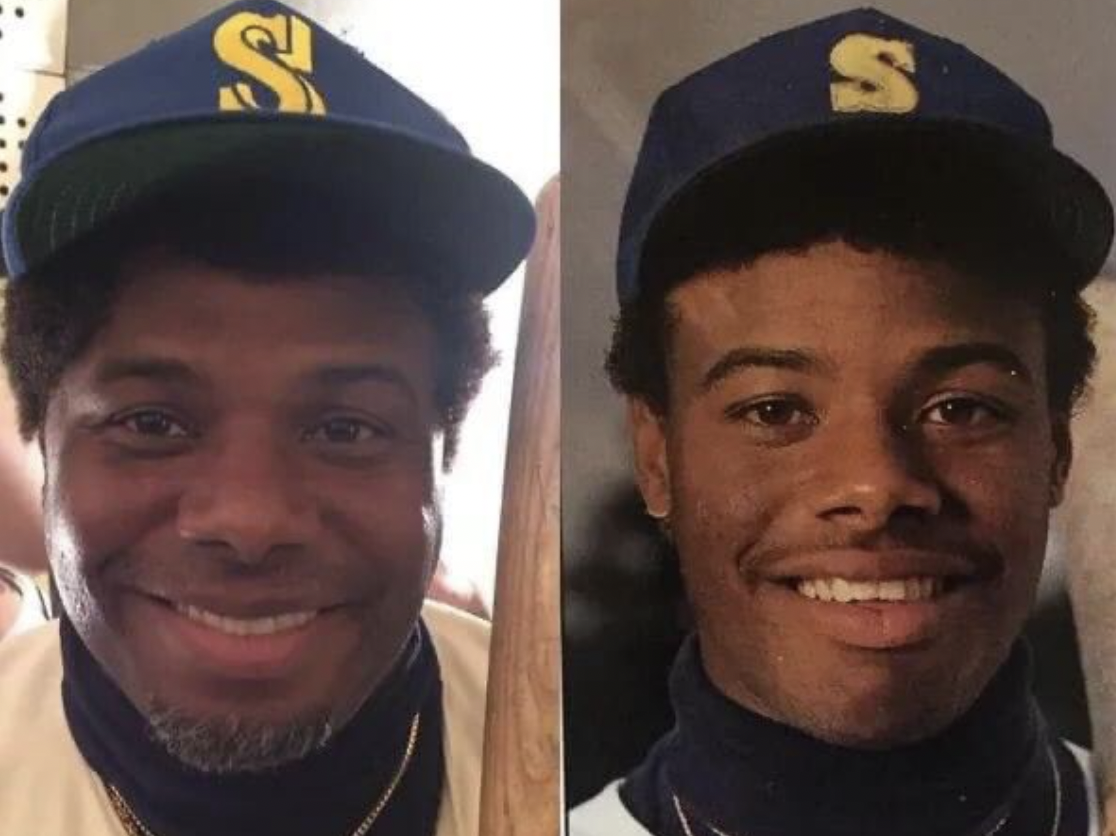
The card’s design also reflects the broader cultural trends of the late 1980s. It’s clean, minimalist, and uncluttered—a far cry from the gaudy, over-the-top designs of the 1970s and early 1980s. It’s a reflection of the era’s shift toward sophistication and restraint, a rejection of excess in favor of elegance. The card doesn’t need flashy graphics or bold colors to make an impact. It relies on subtlety, on the power of suggestion. And in doing so, it transcends its medium, becoming something more than just a piece of cardboard.
The Legacy: A Card That Transcends Its Era
More than three decades after its release, the 1989 Upper Deck Ken Griffey Jr. rookie card remains one of the most iconic and sought-after collectibles in the world. It’s a card that has stood the test of time, its value and prestige only growing with each passing year. But its legacy extends far beyond the financial. It’s a card that has become a symbol of an era, a tangible link to the golden age of baseball.
For collectors, the card represents the thrill of the hunt—the chase for the perfect piece, the one that will complete a set or fulfill a lifelong dream. For fans, it’s a reminder of a time when baseball was pure, when the game was as much about artistry as it was about competition. And for Griffey himself, it’s a testament to the impact he had on the game, a legacy that continues to inspire new generations of players and fans alike.
The 1989 Upper Deck rookie card is more than just a piece of cardboard. It’s a work of art. It’s a cultural artifact. It’s a promise kept. And as long as baseball is played, as long as there are fans who remember the magic of Ken Griffey Jr., this card will continue to shine, a beacon of a bygone era, a reminder of the beauty and wonder of the game.
The story of the 1989 Upper Deck Ken Griffey Jr. rookie card is, in many ways, the story of baseball itself. It’s a tale of innovation and tradition, of youth and experience, of promise and fulfillment. It’s a card that captures a moment in time, a snapshot of a sport on the cusp of greatness. And it’s a card that, even now, more than 30 years later, still has the power to captivate, to inspire, and to remind us all why we fell in love with the game in the first place.