Imagine stepping into a cavernous stadium where the air hums with anticipation, not just from the players on the field but from thousands of spectators who seem to move in unison, their voices rising in a rhythmic crescendo. This isn’t just any baseball game—it’s a spectacle where the crowd itself becomes an instrument, orchestrating a symphony of chants, cheers, and synchronized gestures. Welcome to the world of NPB (Nippon Professional Baseball) crowd songs, a phenomenon that transforms stadiums into living, breathing entities pulsating with collective energy.
The Enigmatic Charm of NPB Crowd Songs
At first glance, NPB crowd songs might appear as mere background noise, a cacophony of voices echoing through the stands. Yet, delve deeper, and you’ll uncover a meticulously choreographed tradition where every cheer, clap, and chant serves a purpose. Unlike the sporadic applause or isolated chants common in Western sports, NPB crowd songs are a carefully curated experience, blending tradition with spontaneity. They are not just reactions to the game but integral parts of the spectacle, designed to energize players, intimidate opponents, and unify fans in a shared emotional journey.
The origins of these crowd songs trace back decades, rooted in Japan’s deep cultural reverence for harmony and collective expression. Baseball, introduced to Japan in the late 19th century, quickly became more than a sport—it evolved into a cultural phenomenon where community and ritual intertwined. The crowd songs, or “ouendan” (応援団), emerged as a way to channel this communal spirit, turning spectators into active participants rather than passive observers.
The Anatomy of a Crowd Song: More Than Just Noise
A typical NPB crowd song is a multi-layered performance, often beginning with a slow, rhythmic clapping that builds in intensity before erupting into a full-throated chant. The songs are rarely static; they evolve in tempo and volume, mirroring the ebb and flow of the game. Some chants are generic, designed to hype up the home team or rally support during critical moments. Others are tailored to specific players, incorporating their names or signature moves into the lyrics, creating a personalized connection between the crowd and the athletes.
One of the most distinctive features of NPB crowd songs is their use of call-and-response patterns. A leader, often a dedicated cheer squad or a section captain, initiates the chant, and the crowd responds in unison. This call-and-response dynamic fosters a sense of unity, ensuring that even the quietest spectator feels compelled to join in. The chants themselves are often simple, repetitive, and easy to remember, allowing the crowd to maintain momentum without losing focus.
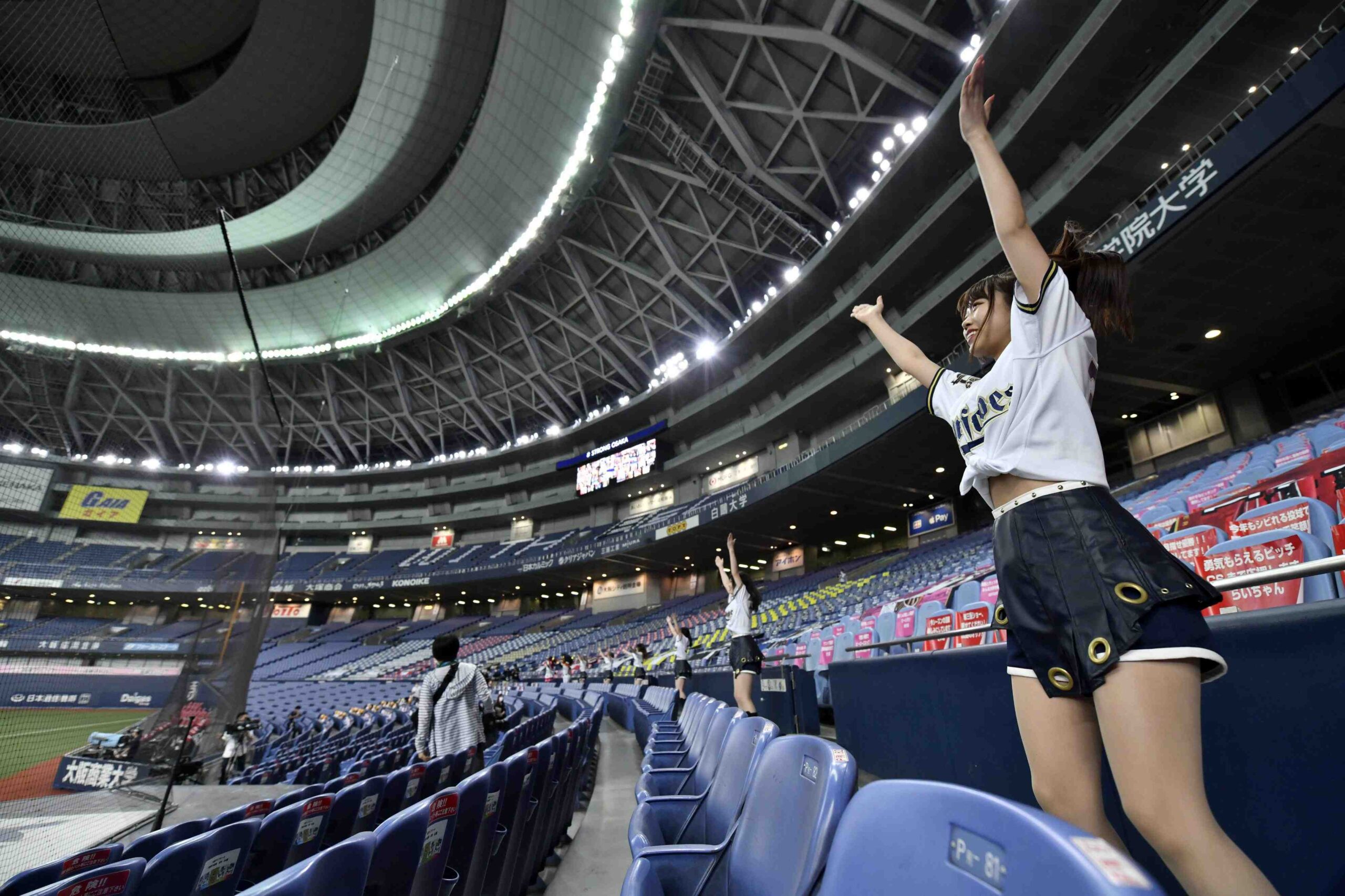
But it’s not just about the chants. The physicality of the crowd songs adds another dimension to the experience. Fans don’t just shout—they move. They sway in rhythm, wave banners, and perform synchronized gestures, turning the stadium into a sea of coordinated motion. This physical engagement amplifies the emotional impact, creating a visceral connection between the crowd and the game.
The Psychological Play: How Crowd Songs Influence the Game
The strategic use of crowd songs in NPB isn’t merely for entertainment; it’s a psychological tool designed to tilt the odds in favor of the home team. Studies in sports psychology suggest that the presence of a loud, unified crowd can significantly impact player performance. The decibel levels alone can create a sense of pressure for visiting teams, making it harder to communicate and execute plays. Meanwhile, the home team, buoyed by the familiar rhythms of their supporters, often finds itself in a heightened state of focus and confidence.
Consider the “wave,” a staple of NPB crowd songs. As the wave ripples through the stands, it serves as a visual reminder of the crowd’s collective power, subtly influencing players to rise to the occasion. Similarly, chants that mimic the sound of a train or a drumbeat can evoke a sense of relentless momentum, pushing the team forward even in the face of adversity. These psychological tactics are not lost on the players, many of whom have attested to the motivational boost provided by a roaring crowd.
Yet, the influence of crowd songs extends beyond the psychological. They also serve as a form of communication, a way for fans to signal their expectations and demands to the players. A well-timed chant can urge a batter to dig deeper, a pitcher to summon an extra ounce of velocity, or a fielder to make a game-saving play. In this way, the crowd becomes an extension of the team, a silent yet potent force driving them toward victory.
The Challenge of Sustaining the Magic: Can NPB Crowd Songs Survive Modernization?
As the world of sports becomes increasingly globalized and commercialized, the traditions of NPB crowd songs face a formidable challenge: the risk of dilution. Younger generations, accustomed to instant gratification and digital distractions, may find the repetitive nature of crowd songs less appealing. The rise of social media and streaming services has also shifted the way fans engage with the game, potentially reducing the communal experience that makes NPB crowd songs so special.
Moreover, the commercialization of baseball has led to concerns about the authenticity of the crowd experience. Sponsors and teams may push for more branded chants or corporate-sponsored cheers, diluting the organic, fan-driven nature of the tradition. There’s also the issue of safety and crowd control, as stadiums grapple with how to maintain the energy of crowd songs without risking chaos or overcrowding.
Yet, despite these challenges, the spirit of NPB crowd songs remains resilient. Innovations such as interactive apps that allow fans to vote on chants or augmented reality experiences that enhance the visual spectacle are breathing new life into the tradition. The key to preserving this cultural gem lies in balancing innovation with tradition, ensuring that the essence of the crowd songs—unity, passion, and spontaneity—remains intact.
Beyond Baseball: The Global Ripple Effect of NPB Crowd Songs
The influence of NPB crowd songs isn’t confined to Japan. As baseball continues to grow internationally, elements of this tradition are being adopted by leagues and teams around the world. Minor league teams in the U.S., for example, have experimented with crowd-led chants and synchronized cheers, drawing inspiration from the NPB model. Even in esports and other competitive arenas, the idea of a unified, vocal crowd is gaining traction, proving that the power of collective expression transcends cultural boundaries.
This global ripple effect underscores a fundamental truth: humans crave connection, and few things foster that connection as powerfully as shared rituals. Whether it’s the thunderous chants of an NPB stadium or the synchronized clapping of a football match in Europe, the act of moving and vocalizing in unison creates a bond that transcends the individual, uniting strangers in a common purpose.
For those who’ve never experienced an NPB crowd song firsthand, the closest analogy might be the electrifying atmosphere of a live concert or a religious gathering, where the collective energy of the crowd amplifies the experience tenfold. It’s a reminder that sports are not just about the athletes on the field but about the communities that surround them, the traditions that bind them, and the shared emotions that elevate the game to something greater than itself.