In the high-stakes ballet of baseball, where split-second decisions dictate the rhythm of the game, the catcher’s mitt is more than mere leather—it is a conductor’s baton, a painter’s brush, and a magician’s wand all rolled into one. Among the many techniques that define the artistry of catching, the “Shield” method for framing low strikes stands as a masterstroke, a technique that blends precision with poetry. It is not merely about catching the ball; it is about transforming a potential strike into an umpire’s call through the alchemy of motion, positioning, and perception. This is the story of how catchers wield their mitts like shields, not just to defend the plate but to sculpt the very boundaries of the strike zone.
The Strike Zone: A Canvas of Ambiguity
The strike zone is not a static rectangle etched in stone; it is a living, breathing entity, a shifting landscape where inches and inches of perception can mean the difference between a called ball and a called strike. Umpires, despite their best efforts, are not machines—they are human, and their vision is subject to the whims of angle, speed, and the catcher’s artistry. The “Shield” technique exploits this ambiguity, turning the catcher’s mitt into a tool of persuasion. By subtly guiding the umpire’s gaze, the catcher doesn’t just catch the ball—they choreograph the umpire’s perception, ensuring that what might have been a ball becomes a strike.
Consider the low strike, that elusive pitch that skims the bottom of the zone, teasing the edge of the batter’s knees. To the untrained eye, it is a ball. To the catcher who has mastered the Shield, it is a strike waiting to be claimed. The technique hinges on the catcher’s ability to present the ball in a way that aligns with the umpire’s expectations, even when the pitch itself is borderline. It is a dance of deception and precision, where the catcher’s mitt becomes the final arbiter of fate.
The Anatomy of the Shield: Form and Function
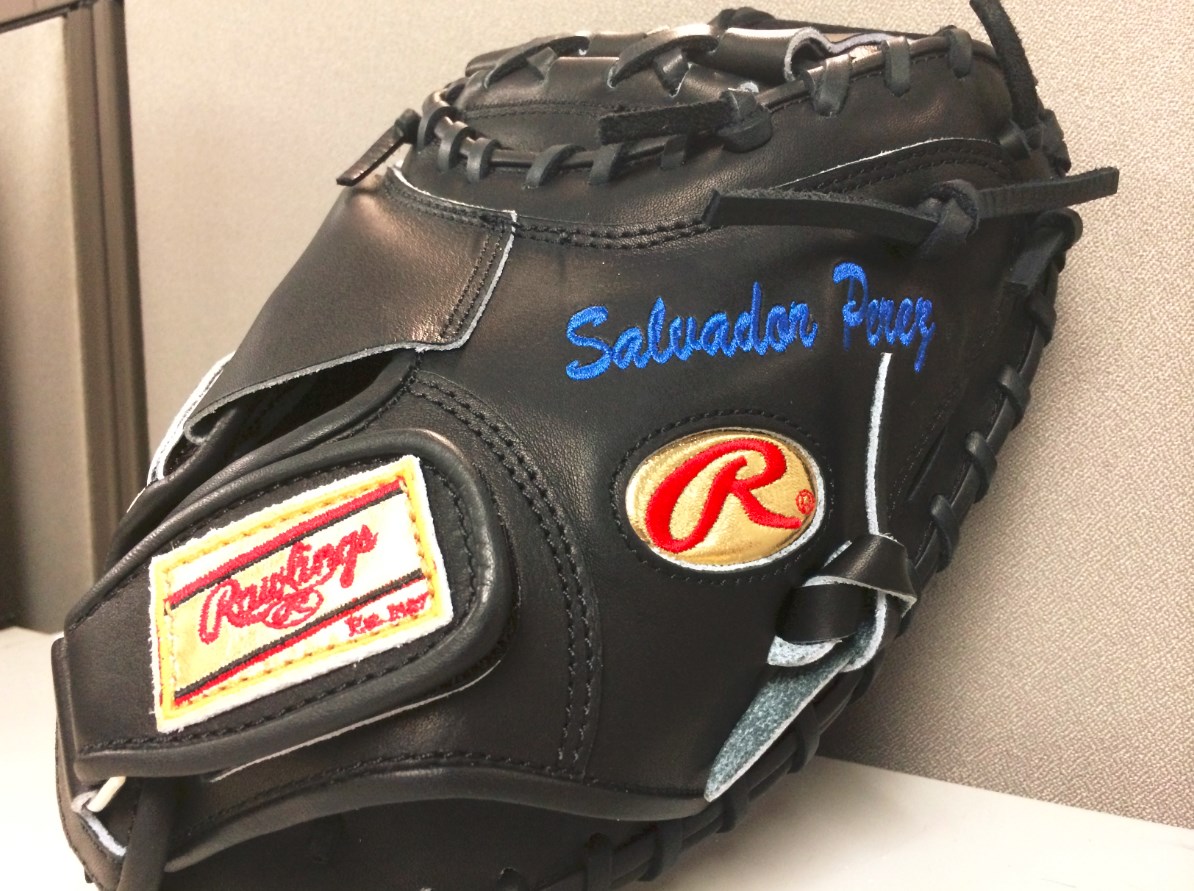
The Shield technique is not a one-size-fits-all solution; it is a nuanced approach that requires a deep understanding of the catcher’s mitt’s design and the physics of framing. The mitt itself is a marvel of engineering—a web of leather and padding, designed to absorb impact while maintaining flexibility. When employed in the Shield method, the mitt is positioned not just to catch the ball but to “present” it in a way that maximizes its perceived strike-zone value.
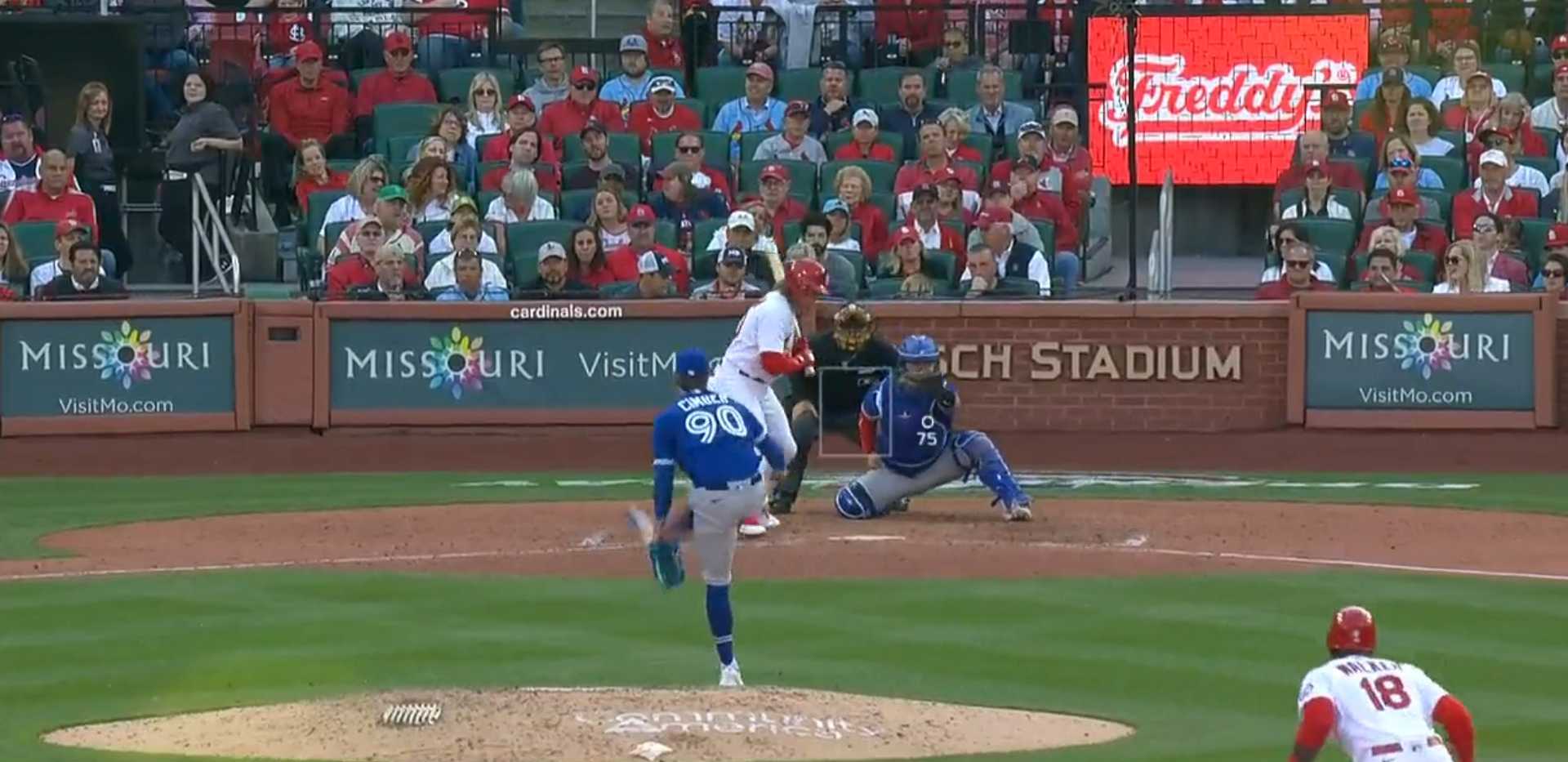
The catcher begins by crouching low, knees bent, torso angled slightly forward. The mitt is held at an angle, the palm facing outward, as if shielding the umpire from the ball’s true trajectory. The key lies in the timing of the glove’s movement. As the pitch crosses the plate, the catcher subtly rotates the mitt, guiding the ball into the strike zone’s perceived boundaries. The motion is so slight that it borders on imperceptible, yet its impact is undeniable. The umpire, focused on the ball’s path, is subconsciously influenced by the catcher’s presentation, their perception of the strike zone subtly reshaped.
This technique is not about brute force or exaggerated movements; it is about finesse. The catcher’s body remains still, a silent sentinel, while the mitt does the talking. The result is a framing motion that is both elegant and effective, a testament to the catcher’s skill and the mitt’s versatility.
The Psychology of Framing: The Catchers’ Silent Persuasion
Baseball is as much a mental game as it is a physical one, and framing is where psychology meets athleticism. The Shield technique is not just a mechanical process; it is a psychological maneuver, a way for the catcher to influence the umpire’s decision without uttering a word. Studies have shown that umpires, like all humans, are susceptible to subtle cues, and the catcher’s glove movement can subconsciously guide their perception of the strike zone.
Imagine the umpire’s gaze locked onto the ball as it approaches the plate. The catcher’s mitt, positioned at the perfect angle, creates a visual anchor, a point of reference that the umpire’s brain latches onto. By presenting the ball in a way that aligns with the strike zone’s lower boundary, the catcher effectively “reprograms” the umpire’s expectations. The pitch, which might have been perceived as a ball, now fits neatly within the strike zone’s perceived boundaries.
This psychological warfare is not about deception in the traditional sense; it is about leveraging the umpire’s natural tendencies to create a more favorable outcome. The catcher becomes a silent persuader, using the language of motion and positioning to shape the umpire’s reality. It is a subtle art, but one that can shift the momentum of a game, turning a borderline pitch into a called strike and a potential walk into an out.
The Evolution of Framing: From Art to Science
The Shield technique is not a relic of the past; it is a living, evolving art form that has been refined by generations of catchers. In the early days of baseball, framing was a matter of instinct, a gut feeling that guided catchers in their quest to influence the umpire. Today, however, the technique has been dissected, analyzed, and optimized through the lens of science and technology.
Advancements in motion capture and biomechanics have allowed coaches to break down the framing process with unprecedented detail. Catchers now train with high-speed cameras and force plates, fine-tuning their movements to maximize the effectiveness of the Shield technique. Data-driven insights have revealed the optimal angles, speeds, and timing for glove presentation, turning what was once an art into a science.
Yet, despite these advancements, the essence of the Shield technique remains rooted in the catcher’s intuition. The best catchers are not just technicians; they are artists, capable of blending science with instinct to create something truly extraordinary. The Shield method is a testament to this fusion, a technique that is both timeless and cutting-edge.
Case Studies: The Shield in Action
To truly understand the power of the Shield technique, one must look to the game’s greatest practitioners. Consider the legendary catchers who have mastered the art of framing, turning borderline pitches into strikes with a flick of the wrist. Yadier Molina, the defensive backbone of the St. Louis Cardinals, was renowned for his ability to frame pitches with surgical precision. His mitt became an extension of his will, a tool that could reshape the strike zone in an instant.
Another example is Ivan Rodriguez, whose framing skills were so legendary that they earned him the nickname “Pudge.” Rodriguez’s ability to present pitches in a way that maximized their strike-zone value was a sight to behold. He didn’t just catch the ball; he sculpted the umpire’s perception, turning potential balls into strikes with a subtle shift of his glove.
These catchers are not anomalies; they are the culmination of years of practice, a testament to the power of the Shield technique. Their success is a reminder that framing is not just a skill—it is an art form, one that can elevate a catcher from good to great.
The Future of Framing: Innovation and Adaptation
As baseball continues to evolve, so too does the art of framing. The Shield technique, once a closely guarded secret, is now a fundamental part of every catcher’s toolkit. But the future holds even greater possibilities, with innovations like augmented reality and real-time biomechanical feedback poised to revolutionize the way catchers frame pitches.
Imagine a world where catchers wear smart gloves equipped with sensors that provide instant feedback on their framing technique. These gloves could analyze the umpire’s gaze in real time, offering suggestions for optimal glove positioning. The result would be a new era of framing, where science and artistry merge to create an even more refined and effective technique.
Yet, for all its potential, the future of framing will always be rooted in the fundamentals. The Shield technique, with its blend of precision, psychology, and artistry, will remain a cornerstone of the catcher’s craft. It is a reminder that in baseball, as in life, the smallest details can have the greatest impact.