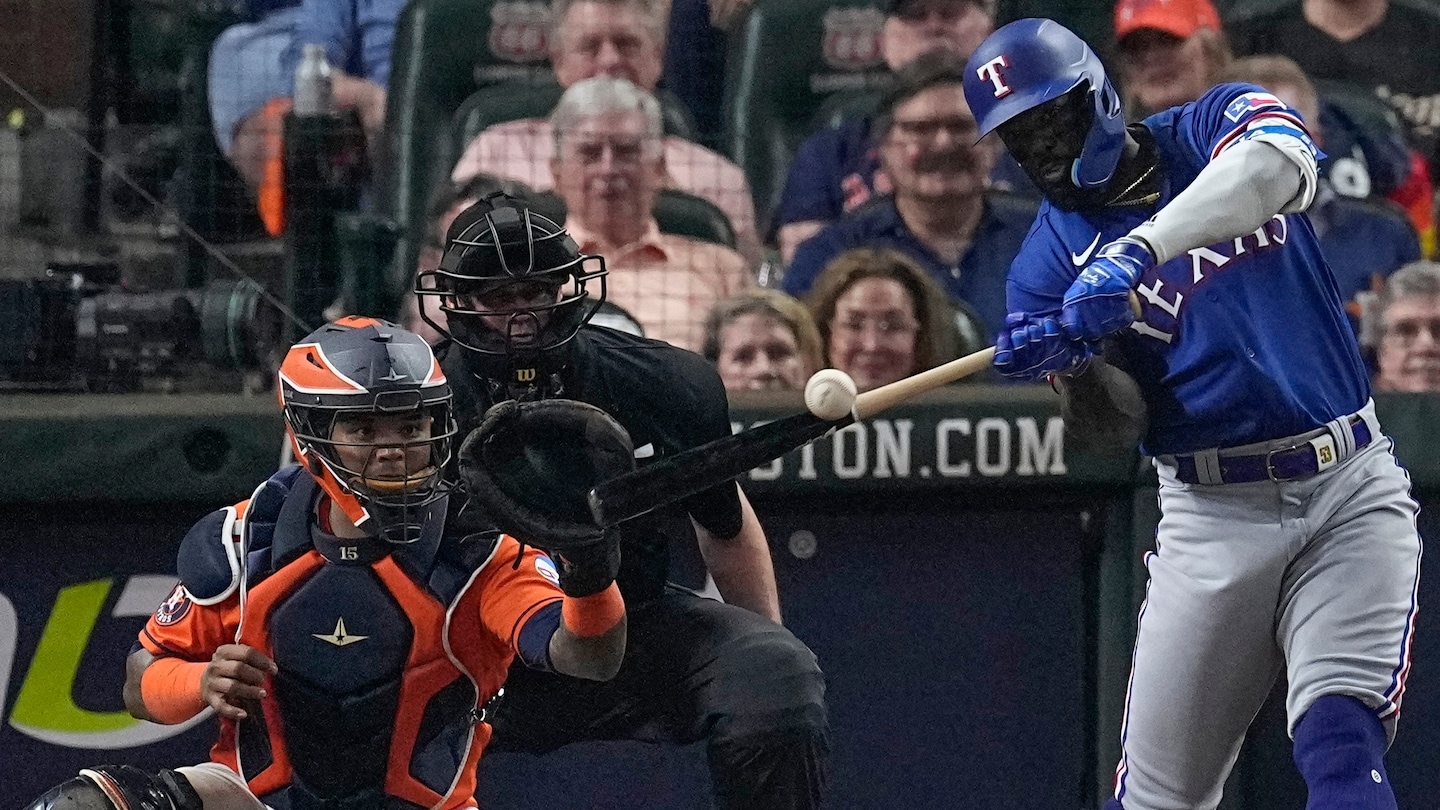
The baseball card industry, once a booming empire of wax packs and rookie cards, has undergone a seismic shift. What was once a frenzied market driven by nostalgia and speculation has now settled into a more measured, sustainable rhythm. The “Baseball Card Boom” is over—and that’s not just a market correction; it’s a maturation. For collectors, investors, and casual fans alike, this evolution presents a rare opportunity: a chance to engage with baseball cards not as speculative assets, but as what they were always meant to be—tangible pieces of history, art, and fandom.
The End of the Speculative Gold Rush
The past decade saw baseball cards transform from childhood relics into high-stakes financial instruments. Prices for vintage cards skyrocketed, fueled by nostalgia and the fear of missing out. A 1952 Mickey Mantle Topps card, once a $500 collectible, sold for over $12 million in 2022. Modern inserts, limited editions, and autographed parallels became instant commodities, with unopened boxes of 2021 Topps Series 1 fetching thousands before the first pitch was thrown.
But like all speculative bubbles, this one had to burst. The market’s rapid inflation outpaced real demand, and when the tide receded, many realized they’d been swimming in shallow waters. Dealers who once promised “guaranteed returns” now face inventory gluts, and flippers who bought bulk modern lots at peak prices are learning the hard way that not all cardboard is king. The boom’s collapse isn’t a tragedy—it’s a correction. The cards themselves didn’t lose value; the hype did.
Modern Cards: Quality Over Quantity
For those who still believe in the future of baseball cards, the post-boom era offers a refreshing clarity. Manufacturers like Topps, Panini, and Bowman have begun prioritizing quality over quantity, focusing on innovative designs, premium materials, and authentic player relics rather than endless chase parallels. The modern card isn’t just a sticker in a pack—it’s a carefully curated artifact, often featuring game-used jersey swatches, autographs, or even embedded audio chips.
This shift benefits collectors who value substance over spectacle. A 2023 Bowman Chrome card with a patch from a top prospect feels more meaningful than a dozen identical base cards. The market is no longer flooded with identical reprints; instead, it rewards uniqueness. For young fans entering the hobby, this means building a collection with intention rather than chasing arbitrary scarcity.
Vintage Cards: The Timeless Allure
While modern cards adapt, vintage cards remain the bedrock of the hobby. A 1914 Baltimore News Babe Ruth rookie card isn’t just a collectible—it’s a window into baseball’s golden age, when the sport was still defining itself. These cards carry the weight of history, their value rooted in rarity, condition, and cultural significance rather than fleeting trends.
The post-boom market has made vintage cards more accessible to serious collectors. Prices, while still high for the rarest pieces, have stabilized, allowing buyers to focus on provenance and authenticity rather than panic-buying at auctions. Grading companies like PSA and BGS have also refined their processes, reducing the chaos of inconsistent slabbing and making it easier to trust a card’s condition.
For investors, vintage cards now represent a long-term play rather than a quick flip. A well-preserved 1950s Mickey Mantle or a 1933 Goudey Babe Ruth isn’t just an asset—it’s a legacy piece, one that will likely appreciate steadily over decades rather than in explosive, unsustainable bursts.
The Rise of the Digital Hybrid
Baseball cards are no longer confined to physical borders. The digital revolution has given birth to hybrid collectibles—NFTs paired with physical cards, blockchain-verified autographs, and augmented reality experiences that bring cards to life. Topps has embraced this with Topps NFTs, while companies like Fanatics are exploring digital collectibles tied to real-world cards.
This fusion of physical and digital appeals to a new generation of fans who grew up with video games and smartphones. A collector can now own a physical card while also holding its digital twin, complete with animations, stats, and even interactive games. The hybrid model bridges the gap between tradition and innovation, ensuring that baseball cards remain relevant in an increasingly virtual world.
The Community’s Resilience
Perhaps the most heartening aspect of the post-boom era is the resilience of the collecting community. Forums like Blowout Cards and Reddit’s r/baseballcards thrive with passionate discussions about grading, authentication, and the stories behind cards. Local card shows, once dwindling, are experiencing a resurgence as collectors seek face-to-face connections in an era of digital transactions.
This community-driven approach fosters a deeper appreciation for the hobby. Collectors are no longer just buyers and sellers; they’re historians, artists, and storytellers. A card isn’t just a number on a spreadsheet—it’s a conversation starter, a connection to a player’s legacy, or a personal milestone. The boom may have been about money, but the post-boom era is about meaning.
The Future: Sustainable Growth
The baseball card industry’s future lies in balance. The days of overnight millionaires are gone, but so are the days of reckless overproduction. The market is finding its equilibrium, where cards are valued for their craftsmanship, rarity, and emotional resonance rather than their potential resale price.
For manufacturers, this means focusing on innovation without gimmicks. For collectors, it means patience and discernment. For investors, it means long-term strategy over short-term gains. And for the sport itself, it means baseball cards remain a vibrant, evolving extension of the game’s rich tradition.
The boom was a wild ride, but its end is a new beginning. The cards are still here. The stories are still being written. And the next chapter promises to be even more rewarding—for those who choose to see baseball cards not as a get-rich-quick scheme, but as what they were always meant to be: treasures of the diamond.