What exactly defines the art of the “home run pimp job” in baseball, and how has this flamboyant celebration evolved from a mere expression of joy to a cultural phenomenon that both charms and challenges the sport’s unwritten codes? As players continuously push the boundaries of self-expression, the home run pimp job remains a focal point of both admiration and contention within Major League Baseball.
The Genesis of the Home Run Pimp Job: From Triumph to Theatrics
The home run has always been the pinnacle moment in baseball—a dazzling display of power, timing, and athletic prowess. Yet beyond the raw feat of sending the ball sailing over the fence lies an equally compelling spectacle: the home run pimp job. This tradition, once a simple tip of the cap or a modest wave to the crowd, morphed over decades into an elaborate ritual. Early players might have merely admired their hit or leisurely rounded the bases, but the emergence of more theatrical players introduced an element of personal flair, signaling the player’s pride and dominance.
In the 1970s and 1980s, baseball players started to lean into playful showmanship. Legends like Dave Kingman and George Brett redefined the post-home run routine with their characteristic bat flips and exaggerated trots. These gestures transcended mere celebration; they became statements—bold declarations of mastery over opposing pitchers and defenses alike.
Symbolism and Psychological Warfare in the Pimp Job
Is the home run pimp job merely entertainment, or does it harbor a deeper psychological stratagem? At its core, this theatrical celebration is a statement of confidence and bravado. By flaunting style, players unsettle opponents, inject energy into their own teammates, and captivate spectators, all without uttering a word.
The flamboyant pose can subtly undermine a rival pitcher’s composure, shifting momentum palpably. It transforms a solitary feat into a communal experience, where the batter reivindicates dominance beyond the numbers. The momentum swing is as much about psychology as it is about points on a scoreboard. The pimp job becomes a duel of unspoken wills—pitcher versus hitter, tradition versus innovation, restraint versus spectacle.
The Cultural Shifts and Controversies Surrounding Home Run Celebrations
Yet, this evolution has not come without its detractors. Baseball, steeped in tradition and a strict code of conduct, has long viewed overt displays with suspicion. For decades, “showboating” was often met with disdain or disciplinary action, as it was seen to disrupt the decorum and sportsmanship intrinsic to the game.
However, the modern era doesn’t find itself content with such constraints. A generational shift, coupled with the broader cultural acceptance of individual expression, has nudged baseball closer to embracing the home run pimp job as part of its charm. Still, tensions exist. Players walking the line between exuberant celebration and disrespect occasionally provoke retaliatory pitches, umpire warnings, or social media firestorms. The balance between honoring tradition and encouraging creativity presents an ongoing challenge.
The Role of Media and Fans in Amplifying the Phenomenon
In today’s digital age, the home run pimp job finds fertile ground for amplification. Broadcasts often zoom in on a dramatic bat flip or an ostentatious run around the bases, while social media platforms explode with memes, highlights, and debates. The ritual is no longer confined to the ballpark; it becomes a shared spectacle, immortalized instantly in visual culture.
Fans have embraced these moments, often celebrating the flair as much as the home run itself. The home run pimp job has arguably become a means of identity for players, enhancing their brand and marketability. In this way, it contributes to the vibrancy and commercial evolution of the sport, drawing new audiences and fostering deeper connections between athlete and admirer.
Umpires and Officials: Guardians of Balance or Gatekeepers of Tradition?
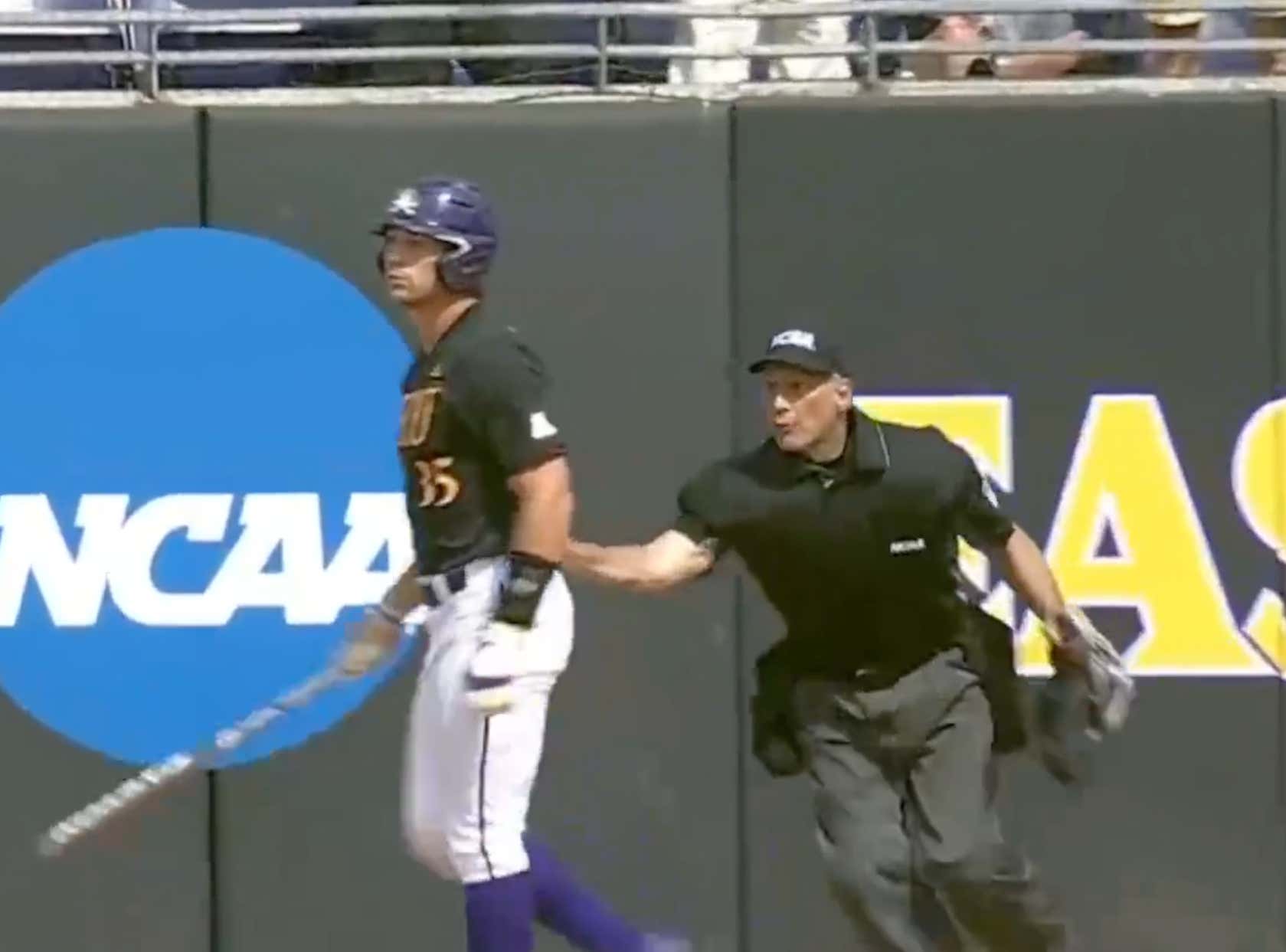
Umpires occupy a pivotal position in this dynamic interplay between celebration and regulation. Their interventions, sometimes swift and decisive, like an umpire who halted a flamboyant celebration mere seconds after the ball cleared the fence, underscore the lingering tension. Officials aim to maintain order and respect within the game, yet they must also grapple with evolving norms and the community’s appetite for authentic expression.
Such incidents highlight the delicate balancing act within baseball’s governance. They invite reflection on what limits, if any, should exist around personal expression, especially when it intertwines with competitive theatrics. The decisions made in these moments often shape perceptions and set precedents, influencing how future celebrations are conducted and policed.
Looking Forward: The Future Trajectory of the Home Run Pimp Job
As the sport continues to embrace a more progressive ethos, one can wonder: will the home run pimp job become an even more integral feature of baseball’s identity? With younger players eager to inject personality into their performances and teams marketing individuality as much as teamwork, the evolution seems poised to accelerate.
Nonetheless, the sport must navigate carefully to ensure that such displays enrich rather than erode the game’s integrity. There is potential for innovation in how celebrations are conducted—incorporating team dynamics, fan interaction, and new forms of expression—while respecting the communal spirit that unites players, officials, and supporters.
Ultimately, the home run pimp job reflects baseball’s broader tension between tradition and transformation. It challenges us to reconsider what celebration means within a sport that thrives on both respect for its past and excitement about its future.