Every summer, across communities and ballparks, something truly remarkable happens. Little hands grip the bat for the first time, youthful energy fuels diamond fever, and dreams of greatness begin to take shape. This journey, starting with Tee Ball and extending potentially all the way to the Major Leagues, represents more than just a progression through organized sports; it’s a dedicated path of development, discipline, and discovery. For young athletes and their supportive parents, understanding the nuances at each stage is crucial to fostering talent, building character, and setting children up for success in baseball.
Rooting the Foundation: The Crucial Stage of Tee Ball
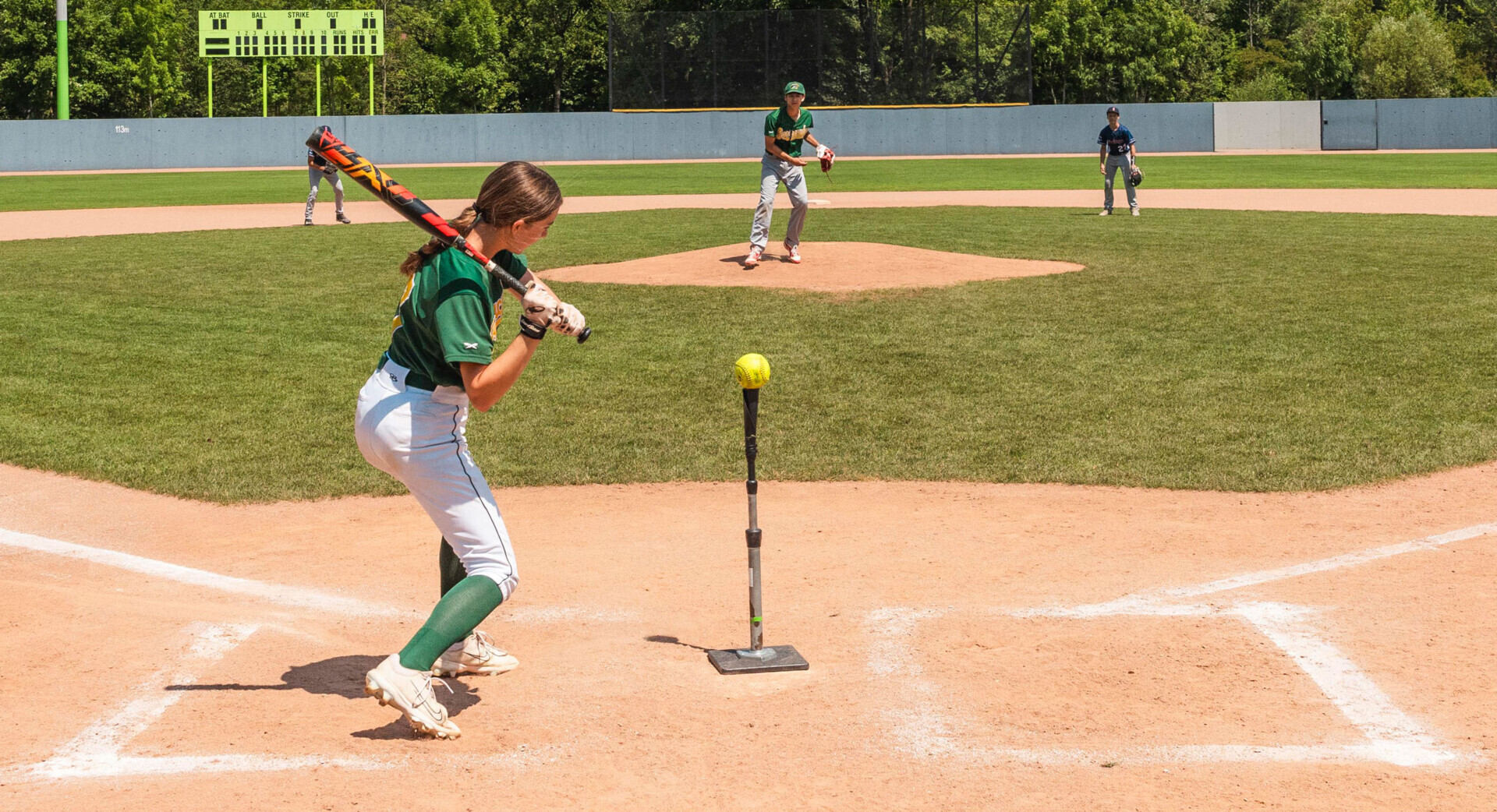
Around the age of four or five, children embark on their formal baseball odyssey with Tee Ball. This initial phase serves as the bedrock upon which future success is built. While seemingly simple, the mechanics involved demand fundamental skills like grip, stance, balance, and coordination. The tiny field, the diminutive bat, and the towering tee instantly introduce new challenges and concepts compared to everyday games.
It’s vital to understand that Tee Ball is not merely pre-game practice. According to baseball developmental principles, mastering the stationary swing here fosters sequential motor control – teaching the muscles in the hands, arms, and torso to work together in a coordinated sequence. Parents and instructors should celebrate incremental successes – whether it’s finding a consistent contact point or improving balance while holding the mitt. Building confidence at this stage is paramount, transforming what might otherwise seem comical into a foundation for serious athletic development.
Structured Growth: Introducing Organized Play
As fine motor skills develop and attention spans expand, typically around ages six to eight, players transition into coach pitch leagues. This shift broadens the experience, introducing the dynamic elements of pitching, baserunning, and defensive play. It’s no longer just the swing that matters; understanding the game’s flow becomes essential.
This phase refines baseball-specific coordination. Players now need to react to thrown pitches, navigate the running bases, and anticipate fielding situations. Emphasis should move beyond mere swinging to include situational awareness – “What do I do with a runner on first?”, “How far do I run on this hit?” It cultivates a crucial skill: game sense, the intuitive understanding of strategy and positioning that separates novices from more mature players.
Refining the Craft: Training Beyond the Game Day
Entering middle school and beyond, the path intensifies. This period requires increased specialization and targeted skill development. Players are physically capable of deeper instruction, and their cognitive abilities allow for more complex strategic understanding.
Focused training emerges as a cornerstone. This involves more deliberate practice in areas like hitting mechanics (bat path, weight transfer, head alignment), defensive fundamentals (gripping the mitt correctly, throwing mechanics), and specific game intelligence development. Coaches might introduce weighted bats for power building, teach advanced footwork drills, or delve into hitting off a mound of various speeds.
Simultaneously, players encounter travel baseball. These competitive leagues offer higher stakes and faster-paced action. Adaptability, resilience under pressure, and the ability to learn quickly become vital assets. The training regimen becomes more frequent and specialized, often bridging the gap between school leagues and elite baseball programs focused on reaching higher levels. Evaluating mistakes becomes less about survival and more about refining technique and strategy for continuous improvement.
Charting the Course: Talent Identification and Development Programs
For players aspiring to reach the highest echelons, navigating the talent pathway becomes necessary. This isn’t just about playing more games; it involves understanding the complex ecosystem of talent ID (identification), development, and exposure. Programs, academies, and showcases increasingly play a pivotal role.
Understanding these channels is critical. This may involve participating in regional showcases, working with specialized year-round training complexes, or joining elite developmental academies focused on identifying and nurturing advanced aptitude. Knowledge of scouting evaluations, college recruitment timelines, and early professional pathways grants players and their support teams a strategic advantage in the long baseball journey ahead.
Evolving the Skill Set: High School & Beyond
Entering high school represents a significant developmental leap. The bodies transform, the skill level rises, and the mental demands intensify dramatically. Players begin to grapple with the complexities of high school schedules, academic pressures alongside rigorous baseball training, and often, the beginnings of recruitment by college programs and minor league scouts.
This phase solidifies specialized skills. Hitting mechanics become more refined, incorporating adjustments for offspeed pitches and varying pitch locations. Defensive capabilities deepen, with an emphasis on advanced throwing mechanics, improved fielding technique, and positioning awareness. Pitchers focus intensely on mechanics, mound presence, velocity development, and pitch repertoire complexity. Strength and conditioning gain a formalized structure to support the increasing physical demands.
Transitioning to the Next Level: College and beyond
The journey from juvenile leagues to professional baseball necessitates planning for transition. High-level recruitment options – whether via NCAA Division I, II, or NAIA college programs, or direct entry into professional showcases like the MLB Pipeline National High School Exit Exam – require careful navigation.
This involves cultivating a comprehensive resume: not just statistics and skill highlights, but also academic transcripts, physical conditioning metrics, and sometimes even performance video analysis. Understanding recruiting timelines, scholarship opportunities, and the differences between the college and professional developmental paths is essential for players and their families to make informed decisions about the next significant step.
Building a Legacy: The Pathway to Major League Baseball
For the very select few, the culmination lies in reaching the Major League Baseball level. The journey doesn’t diminish here, but continues with even greater intensity. Professional teams demand peak performance year-round, with intense training regimens, sophisticated data analysis (utilizing biomechanics and sabermetrics), and constant adaptation to evolving strategies – from advanced hitting approaches to complex defensive alignments.
At this stage, the path demands unwavering mental resilience circuitry – the ability to maintain focus amidst pressure, interpret subtle tactical signals from managers, teammates, or the opposing team. Continuous skill refinement amidst physical prowess and strategic sophistication defines the elite player’s ongoing development.
Learning the Game: Beyond Batting and Catching
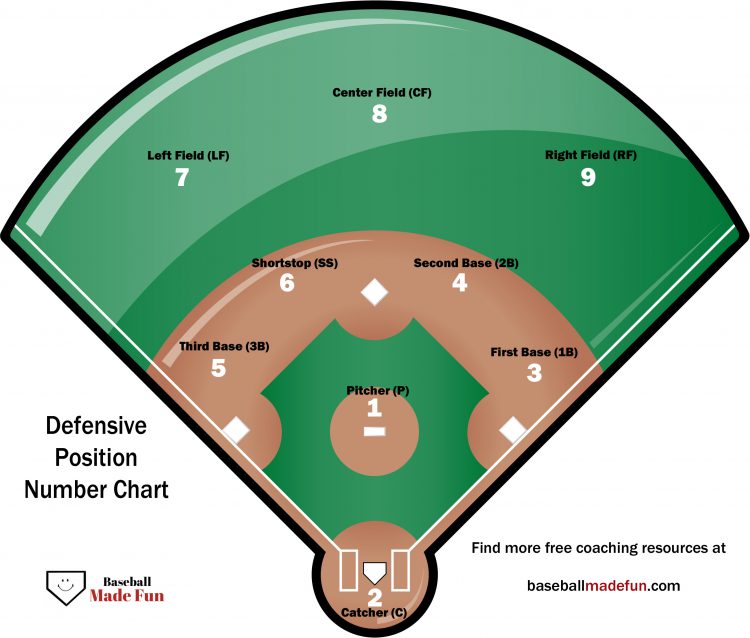
The journey described thus far focuses significantly on offensive and defensive skills, but true mastery encompasses the entirety of the game. Understanding strategy, from base running decisions triggered by pitcher/defense tendencies, to situational hitting against different counts and inning contexts, is fundamental.
Additionally, basic tactical awareness involves studying opposing pitchers’ tendencies (preferred location, pitch selection based on hitter), understanding opponent offensive strengths and weaknesses, and recognizing defensive alignments dictated by the game situation or specific team strategy. This comprehensive understanding transforms talent from raw ability into a well-rounded, strategic competitor.
Upholding the Integrity: The Professional Ethos
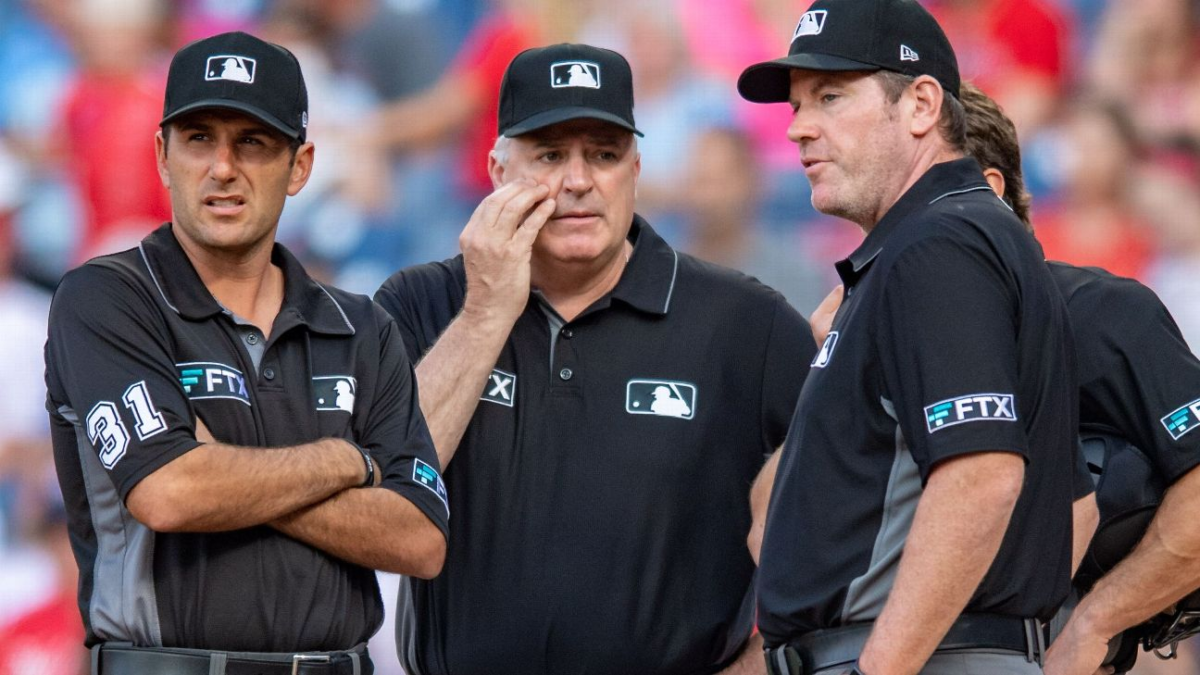
This meticulously detailed path, while focused on physical and technical evolution, must integrate a foundational professional ethos from an early age. Integrity, work ethic, dedication, respect (for opponents and officials), commitment, and the ability to handle constructive criticism publicly are non-negotiable traits. Even in youth leagues, modeling and fostering these core values establishes a fundamental structure upon which athletic success can be built, ensuring that development progresses with character and sportsmanship as integral components.
Carpe Diem: Embracing the Journey
The baseball development journey from Tee Ball to Major League is not one solely defined by reaching the finish line. It’s a tapestry of lessons woven through every practice, every game, every failure overcome and success celebrated. Along this path, character is forged through challenges, teamwork binds individuals into a shared purpose, discipline becomes ingrained muscle memory, and a genuine love for the game can take root and flourish.
The destination, whether it aligns with expectations or takes unexpected turns, is undoubtedly enriched by the experiences traversed along the way. By providing steadfast support, advocating for comprehensive and well-structured development, respecting the unique path each athlete undertakes, and celebrating the journey itself, we empower the young players entrusted to our guidance to unlock their potential and contribute meaningfully to the rich, enduring narrative of baseball.